

Large dog breeds that don’t shed are not a myth, but the label gets misapplied more often than it should. What owners are usually responding to is a difference in coat biology, not an absence of hair loss altogether. If you have spent any time researching large dog breeds that don’t shed because of allergies, carpet maintenance, or a simple preference for a tidier home, the breed list matters less than understanding why these dogs behave the way they do at the follicle level. That distinction changes what you should expect from grooming, and it changes what you should expect from your own immune system.
I want to walk through the actual physiology first, because most of the marketing language around “hypoallergenic” breeds oversimplifies a process that is genuinely interesting from a behavioral and dermatological standpoint. Then we will get into seven specific large breeds, a comparison table you can reference quickly, and a selection framework that treats this as a data-driven decision rather than a popularity contest.
The Coat Biology Behind Low-Shedding Breeds
Every hair follicle cycles through three phases: anagen (active growth), catagen (transition), and telogen (rest, followed by shedding). Double-coated breeds like Labrador Retrievers or Huskies have follicles with a short anagen phase and a coordinated telogen release, often synced to seasonal light changes. That is why you get the dramatic “blow outs” twice a year.
Breeds commonly described among large dog breeds that don’t shed, like the Standard Poodle and Standard Schnauzer, have a fundamentally different follicle kinetic. Their hair sits in the anagen phase for a much longer duration, sometimes months longer than a double-coated breed’s growth cycle. Fewer follicles enter telogen at any given time, so less hair reaches the shedding stage at all. The hair that does release often stays trapped in the surrounding coat rather than falling to the floor, because the coat itself is denser and more textured (curly or wiry) than a straight double coat.
This is a mechanical difference in hair cycling, not a difference in allergen production. That distinction matters for the next section, because it is where most owner assumptions go wrong.
The Allergy Myth: What the Research Actually Shows
A frequently cited 2019 study published in PLOS ONE measured airborne and surface levels of Can f 1, the primary dog allergen protein, across homes with breeds marketed as hypoallergenic versus non-hypoallergenic breeds. The finding: there was no statistically significant difference in allergen concentration between the two groups. Can f 1 is produced in skin, saliva, and sebaceous glands, not exclusively in shed hair. A low-shedding dog can still generate the same allergen load as a heavy shedder, it just does not distribute it across your furniture and floors in the same visible way.
The data is contradictory enough that no responsible clinician should promise an allergic client a symptom-free household based on breed selection alone. What changes with low-shedding breeds is airborne allergen dispersal within the home environment, not allergen production at the source. Owners with diagnosed dog allergies should trial supervised exposure before adopting, regardless of breed reputation.
If allergy management is your primary driver, treat breed choice as one variable among several, alongside HEPA filtration, regular bathing frequency, and designated allergen-free zones in the home. None of these breeds are a substitute for an allergist’s guidance.
7 Large Dog Breeds That Don’t Shed: Full Profiles
These seven breeds represent the most commonly recommended options among large dog breeds that don’t shed, each with a genuinely different temperament and exercise profile. I am including behavioral notes because coat type is only half the adoption decision.

1. Standard Poodle
Highly trainable, food and praise motivated, and one of the most consistently documented breeds for working-dog cognition testing. Standard Poodles need daily mental engagement in addition to physical exercise; understimulation tends to manifest as destructive chewing or excessive vocalization rather than passive boredom.
2. Giant Schnauzer
Originally bred as a working and guarding breed, the Giant Schnauzer carries a strong protective instinct that requires early, structured socialization. This is not a breed for a first-time owner seeking a low-effort companion. Exercise needs are substantial, often 60 to 90 minutes of active work daily.
3. Airedale Terrier
Terrier temperament traits (independence, prey drive, low tolerance for repetitive tasks) are present at full strength in this larger-bodied terrier. Positive reinforcement training works well, but sessions need variety to hold engagement.
4. Portuguese Water Dog
Bred for retrieving nets and equipment alongside fishermen, this breed has notably high water-drive and physical stamina. Owners without access to regular swimming or vigorous exercise outlets often see frustration-related behaviors emerge.
5. Afghan Hound
A sighthound with a strikingly independent temperament profile compared to the other breeds on this list. Afghan Hounds show lower responsiveness to food-based reinforcement in some behavioral studies, and their coat, while low-shedding, is one of the more labor-intensive to maintain long-term.
6. Bouvier des Flandres
A calm, steady temperament for a working breed, historically used for cattle droving. Bouviers tend to show strong attachment behaviors toward their household and can be reserved with unfamiliar people, which calls for consistent early exposure protocols.
7. Black Russian Terrier
Developed for military and guard work in the mid-20th century, this breed carries genuine protective and territorial instincts. Structured obedience work from puppyhood is not optional here; it is a welfare requirement for a dog with this behavioral profile in a typical household.

Breed Comparison Table: Temperament, Exercise, and Grooming Demands
| Breed | Temperament | Daily Exercise Need | Grooming Frequency | Price Tier (Puppy Cost) |
|---|---|---|---|---|
| Standard Poodle | Trainable, sensitive, high cognition | 45-60 min | Every 4-6 weeks | $$$ |
| Giant Schnauzer | Protective, confident, needs structure | 60-90 min | Every 5-8 weeks | $$$ |
| Airedale Terrier | Independent, spirited, terrier drive | 45-60 min | Every 6-8 weeks | $$ |
| Portuguese Water Dog | Energetic, water-driven, social | 60+ min | Every 4-6 weeks | $$$ |
| Afghan Hound | Independent, aloof, low food-drive | 30-45 min | Every 3-4 weeks | $$$$ |
| Bouvier des Flandres | Steady, attached, reserved with strangers | 45-60 min | Every 6-8 weeks | $$$ |
| Black Russian Terrier | Protective, territorial, needs early structure | 60+ min | Every 6-8 weeks | $$$$ |
Note the grooming column carefully. Owners frequently assume low shedding dog breeds translate into less grooming maintenance overall, and that assumption is backward.
The Grooming Misconception: More Maintenance, Not Less
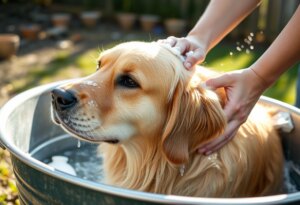
According to veterinary dermatology guidance referenced in AVMA grooming standards, dogs with continuously growing coats and minimal shedding actually require more frequent professional grooming, typically every four to six weeks, because loose hair from the telogen phase does not fall away. It gets caught in the surrounding coat structure instead, leading to matting, follicle irritation, and in severe cases, painful skin infections under compacted mats.
This is the single most common misconception I encounter when counseling prospective owners on hypoallergenic large dog breeds: the assumption that “doesn’t shed” means “doesn’t need brushing.” The opposite is closer to reality. A Standard Poodle or Bouvier des Flandres left ungroomed for months will develop mats that require sedated shaving to remove safely. Budget for professional grooming as a recurring line item, not an occasional expense.
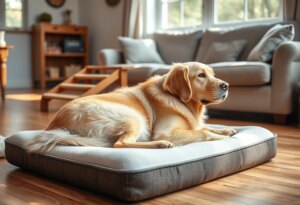
Between grooming visits, a supportive rest surface reduces friction-related coat tangling and pressure point irritation, especially in older dogs with reduced mobility. The FurHaven Orthopedic Dog Bed for Large Dogs, Sofa-Style gives larger low-shedding breeds a stable, joint-supportive place to rest that also limits how much loose undercoat debris spreads across furniture and flooring.

- Give Your Pet Deep, Restful Sleep: Our cooling gel sofa bed is engineered to deliver true comfort and joint relief for l…
- A Perfect Fit For Every Sleep Style: Don’t settle for a rigid, one-size-fits-all bed. Our sofa-style design is made for …
- Wash It, Dry It, Done: A dirty pet bed can fill your home with odors and allergens. Our XL washable dog bed makes cleanu…
For households managing shedding-related coat debris outdoors, such as brushing sessions on a patio or deck, having a dedicated storage solution for grooming tools and outdoor gear keeps loose hair and equipment contained rather than tracked back into the house. The GOLINPEILO Solid Teak Wood Garden Storage Box works well for this purpose if you groom outside regularly, which many owners of wiry-coated breeds like the Airedale Terrier and Black Russian Terrier end up doing between professional appointments.

- 【Ample Storage】Enjoy generous storage space for all your outdoor living essentials, making it great for cushions, blanke…
- 【Weather-Resistant】Made from tough teak wood, this box is built to handle the weather, keeping your items dry even in a …
- 【Rustic Aesthetic】Its smooth finish and natural wood texture bring elegance, making it fit right into any outdoor decor,…
Breeds with minimal natural insulation from a thin single coat, particularly Afghan Hounds and Standard Poodles after a close clip, lose body heat faster in cold weather than double-coated breeds do. This becomes especially relevant for senior dogs in this category, since aging reduces thermoregulation efficiency. A lightweight layer like the XS Dog Pjs for Small Dogs, Warm 4-Leg Long Sleeve Onesie is generally sized for smaller frames, so it is best reserved for toy or small companion dogs in the household rather than the large breeds profiled here, but it illustrates the broader principle: post-grooming warmth support matters more for freshly clipped, low-shedding coats than owners typically expect.

- 【Size Note】L size dog pajamas for small breeds only.Please check the size chart (measure chest, neck & back length). Pri…
- 【Tip】 For short-legged breeds like Dachshunds: If the sleeves are too long when chest/back fit well, simply roll or trim…
- 【Soft & Breathable Fabric】 Pajamas for dogs made of stretchy lightweight fabric for easy wear. Keeps pets warm in AC/col…
An Evidence-Based Selection Protocol
Rather than ranking these seven breeds by popularity, I recommend prospective owners run a structured self-assessment across three variables before committing. This is the same framework I use when evaluating placement fit in behavioral consultations.
- Activity capacity audit. Track your actual weekly exercise output for two weeks, not your intended output. Breeds like the Portuguese Water Dog and Giant Schnauzer will develop frustration-based behaviors (destructive chewing, excessive barking, resource guarding) if physical needs go consistently unmet.
- Grooming budget realism. Calculate the annual cost of professional grooming every four to six weeks, not just the adoption or purchase price. This recurring cost often exceeds food expenses over the dog’s lifetime for breeds like the Afghan Hound.
- Household allergy sensitivity testing. If a family member has diagnosed canine allergies, arrange supervised exposure to the specific breed (ideally the specific individual dog) before finalizing adoption. Given the PLOS ONE findings on Can f 1 levels, breed alone is an unreliable predictor of individual allergic response.
Owners researching non-shedding large dogs for households with joint mobility concerns in an existing senior dog should also review how a new, high-energy breed might affect an aging resident dog’s stress physiology. Multi-dog introductions with mismatched energy levels are a common source of chronic low-grade stress in geriatric dogs, which can accelerate cognitive and mobility decline. If joint health is already a concern for an older dog in the home, our vet-backed guide to senior dog joint supplements covers evidence-based options worth discussing with your veterinarian before adding a new, more active dog to the household.
It is also worth separating the shedding conversation from broader coat-related health screening. Some large breeds carry breed-specific health risks that have nothing to do with coat type but everything to do with long-term wellness planning; our piece on early screening and prevention for breed-specific health risks is a useful companion read regardless of which of these seven breeds you are considering.
For a broader look at how shedding patterns compare across dog breeds generally, including double-coated breeds not covered in this list, our guide on high-shedding versus low-shedding dogs breaks down the underlying coat genetics in more depth. For additional background on canine coat biology and allergen research, the American Kennel Club also maintains updated guidance on shedding physiology across breed groups.
Frequently Asked Questions
Are large dog breeds that don’t shed truly hypoallergenic?
No breed is truly hypoallergenic in the sense of producing zero allergens. Research published in PLOS ONE found no statistically significant difference in Can f 1 allergen levels between breeds marketed as hypoallergenic and those that are not. Low-shedding coats reduce how much hair and attached allergen gets distributed around a home, but the underlying allergen production from skin and saliva is largely unaffected by coat type.
Why do low shedding dog breeds need more grooming, not less?
Low-shedding breeds have hair follicles that stay in the active growth phase longer, so less hair reaches the shedding stage naturally. The hair that would otherwise shed often gets trapped in the surrounding coat rather than falling out, which leads to matting and skin irritation if not managed with regular brushing and professional grooming, typically every four to six weeks.
Which large dog breeds that don’t shed are best for first-time owners?
Among the seven breeds profiled, the Standard Poodle and Portuguese Water Dog tend to be more forgiving for first-time owners due to higher trainability and food motivation. Breeds like the Giant Schnauzer, Black Russian Terrier, and Bouvier des Flandres carry stronger protective instincts and benefit from an owner with prior experience in structured obedience training.
Do senior dogs from low-shedding breeds have different care needs?
Yes. As large dog breeds that don’t shed age, thinner single coats provide less natural insulation and joint support demands increase due to their larger frame size. Senior dogs in this category often benefit from orthopedic bedding, consistent grooming to prevent matting around reduced-mobility areas, and closer monitoring for joint discomfort, particularly in breeds like the Standard Poodle and Giant Schnauzer that carry more body mass on aging joints.