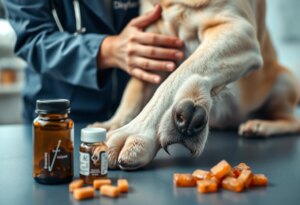


Senior dog insurance for pre-existing conditions is one of those topics that makes my stomach tighten a little, because I’ve watched too many devoted pet parents get blindsided by fine print right when they needed help the most. If your old soul already has arthritis, a heart murmur, or a thyroid issue on record, most standard policies will slam that door shut before you even finish the application. That’s not a scare tactic. That’s just how this industry works, and I think you deserve the truth instead of a sales pitch.
I run a sanctuary full of senior German Shepherds, most of them arriving with a laundry list of ailments nobody wanted to deal with. So I’ve spent years on the phone with insurers, wellness plan reps, and vet office billing departments trying to figure out what’s actually available for dogs who are already deep into their golden years. Here’s what I’ve learned, without the marketing fluff.
What “Pre-Existing Conditions” Really Means in the Fine Print
Every pet insurance policy defines this differently, and that’s exactly the problem. Generally, a pre-existing condition is anything your dog showed symptoms of, was diagnosed with, or was treated for before the policy’s effective date (and often before the waiting period ends too). That includes things you might not think of as “conditions” at all, like a single vet visit for limping that never got a follow-up.
Here’s what stings: some insurers use “incident-based” definitions, where even a symptom mentioned once in a chart, years ago, with no diagnosis, can trigger a denial. Others use “diagnosis-based” definitions, which are more forgiving. Reading that fine print before you sign anything isn’t optional. It’s survival.
Honestly, who thinks like that?? Denying coverage for a symptom that was resolved years ago, buried in a chart nobody remembers, feels less like underwriting and more like a technicality designed to protect the company, not the dog. This is a sacred trust between us and these animals, and insurance paperwork shouldn’t be the thing that breaks it.
Bilateral exclusions make this even messier. If your dog had a torn ligament in the left knee, some insurers will exclude coverage for both knees going forward, because they consider the right knee “at risk” too. It’s frustrating, and it’s exactly why senior dog insurance conversations need to start with brutally honest expectations.
The Hard Truth About Premiums for Older Dogs
I wish I could tell you the cost side of this gets easier as your dog ages. It doesn’t. According to the North American Pet Health Insurance Association‘s 2023 State of the Industry Report, average annual premiums for dogs climbed to around $685, and that number climbs even higher once you’re insuring a dog north of eight or nine years old.
Insurers price risk. An old dog is, statistically, a riskier dog to insure. More vet visits, more diagnostics, more claims. So premiums for senior dogs often run double or triple what a puppy policy costs, and that’s before you factor in exclusions for anything pre-existing. It’s a rough combination: pay more, get covered for less.
This is part of why I always tell people looking into cheapest senior dog insurance options to compare quotes across at least four or five providers before committing. The spread in pricing for the exact same coverage can be shocking, and geriatric dog insurance shopping rewards patience more than almost any other pet care decision you’ll make.
Real Options That Exist for Dogs Already Diagnosed
If your dog already has a diagnosis on record, full comprehensive coverage is probably off the table. But that doesn’t mean you’re out of options entirely. A few paths are worth exploring:
- Accident-only plans: These skip illness coverage entirely and focus on injuries like broken bones, swallowed objects, or car accidents. Pre-existing illnesses don’t factor in because illness isn’t covered at all.
- Wellness add-ons: Not insurance in the traditional sense, but these reimburse routine care like dental cleanings, bloodwork, and vaccines. They won’t touch a pre-existing condition, but they take pressure off your regular vet budget.
- Limited-coverage riders: A handful of specialty insurers offer narrow riders for specific unrelated body systems. If your dog’s pre-existing issue is orthopedic, a rider might still cover dental or dermatological claims.
- Direct vet financing plans through your clinic, which sidestep insurance underwriting altogether.
None of these are perfect. But stacking two or three together often creates a safety net that’s better than nothing, which matters a lot when you’re caring for a dog whose body is already asking more of you.
When Insurers Will Reconsider a “Pre-Existing” Label
Here’s a detail most pet parents never hear about. A Forbes Advisor 2024 analysis found that a small number of insurers, including ASPCA Pet Health Insurance and Embrace, will reconsider a pre-existing designation under specific “curable condition” clauses. If your dog goes symptom-free for a defined stretch (often twelve to eighteen months, no treatment, no flare-ups) some of these companies will reclassify the condition as resolved rather than permanently pre-existing.
This mostly applies to curable issues: a resolved urinary tract infection, a healed wound, a one-time bout of pancreatitis. It almost never applies to chronic, progressive conditions like arthritis, kidney disease, or cognitive decline, the very things senior dogs are most likely to carry. Still, it’s worth asking every insurer directly: “Do you have a curable pre-existing condition clause, and what’s the symptom-free window?” Get the answer in writing. Verbal promises from a call center don’t hold up when a claim gets denied.
Keeping detailed, dated medical records yourself is one of the most underrated tools here. I keep a folder for every dog at the sanctuary, and it’s saved us more than once when a claims adjuster tried to stretch a definition further than it should go.
For record-keeping systems that actually hold up to scrutiny, something built for organizing sensitive documentation, like a Business Continuity Planning and HIPAA Compliance Guide, can offer a surprisingly useful framework for structuring your dog’s medical paper trail, even though it’s written for a different industry entirely. The logic of organized, timestamped records translates well.

Comparing Coverage Types for Senior Dogs
I put this table together to make the tradeoffs a little clearer, because comparing plan types side by side helped me more than any single sales call ever did.

| Coverage Type | Covers Pre-Existing Conditions? | Best For | Waiting Period | Price Tier |
|---|---|---|---|---|
| Comprehensive Accident + Illness | No (new conditions only) | Dogs enrolled young, before diagnosis | 14-30 days typical | $$$$ |
| Accident-Only Plan | N/A (illness not covered) | Dogs with chronic illness already diagnosed | Usually none for accidents | $$ |
| Wellness Add-On | No | Routine care, bloodwork, dental cleanings | None | $ |
| Curable-Condition Rider (select insurers) | Possibly, after symptom-free window | Resolved, non-chronic past issues | 12-18 months symptom-free | $$$ |
| Direct Vet Financing / Care Club | Yes, no underwriting exclusions | Dogs with multiple chronic conditions | None | $$ |
My Honest Sanctuary-Caregiver Take
I’m going to be direct with you, because that’s the only way I know how to write. If your dog is already ten, eleven, twelve years old and already carrying a diagnosis, buying a full senior dog insurance policy hoping it will cover that condition is usually a waste of money. It won’t. The condition will be excluded, and you’ll be paying a premium for coverage you’ll rarely use.
What I recommend instead, and what I’ve done myself with several of our sanctuary dogs, is setting up a dedicated vet fund. A separate savings account, untouched, that exists only for that dog’s care. No underwriting, no exclusions, no claim denials. Just money that’s there when you need it, growing quietly between vet visits.
That said, pet insurance for older dogs can still make sense in specific situations. If your dog is relatively healthy for its age with no major diagnoses yet, an accident-only plan paired with a wellness add-on can catch the unexpected without the cost of full coverage. And if you’re bringing home an older rescue with an unknown history, checking whether pre-existing condition coverage options exist through curable-condition riders is worth the phone call, even if the odds are slim.
If you’re weighing costs across different life stages, it’s also worth understanding what younger mixed breeds cost to raise for comparison. Our guide on Golden Shepherd price expectations breaks down typical lifetime costs, which can help you decide how much room is left in your budget for insurance versus a self-funded vet account. And if you’re considering a younger dog alongside caring for a senior, our piece on what to know before bringing home a Golden Shepherd puppy covers the early-life side of that same financial planning.
Storage matters too, especially if you’re keeping years of scanned medical records, X-rays, and lab results digitally. A reliable solid-state drive like the Intel D3-S4510 1.92TB SATA SSD can keep years of veterinary documentation backed up safely, which matters more than people realize when a claim dispute hinges on proving a timeline.

- 1.92TB SATA 6Gb/s 2.5-Inch Read-Intensive Enterprise SSD — Intel D3-S4510 series enterprise solid state drive designed f…
- 64-Layer Intel 3D TLC NAND — Read Intensive Endurance — 1 DWPD read-intensive endurance rating delivering 560 MB/s seque…
- Enterprise Data Protection — AES 256-bit encryption, Power Loss Protection, and End-to-End Data Protection ensure data i…
Quiet Truths Worth Sitting With
Aging in dogs isn’t a problem to be solved. It’s a season to be walked through, with patience and dignity, and sometimes that means accepting that no policy will erase the reality of a body slowing down. What insurance can do, when it works, is soften the financial edges enough that you can focus on the part that actually matters: showing up for your dog, every single day, exactly as they are.
Ask yourself honestly what you’re insuring against. Is it the unknown, or is it a condition you already know is coming? That answer should guide whether you buy a policy or build a fund. There’s no shame in either choice. There’s only shame in not planning at all.
Frequently Asked Questions
Can I get senior dog insurance if my dog already has a diagnosed condition?
You can still purchase a policy, but the diagnosed condition itself will almost always be excluded as pre-existing. Some insurers offer accident-only plans or wellness add-ons that work around this limitation, and a few offer curable-condition riders for issues that fully resolve and stay symptom-free for an extended period.
Do any insurers ever remove a pre-existing condition label later?
A small number of insurers, including ASPCA and Embrace, offer curable-condition clauses that reconsider a pre-existing label if the dog stays symptom-free for a set window, often twelve to eighteen months. This typically applies only to curable, non-chronic issues, not progressive conditions like arthritis or kidney disease.
Is pet insurance for older dogs worth the cost if most conditions are excluded?
It depends on your dog’s current health. If your senior dog has no major diagnoses yet, an accident-only plan or a lighter comprehensive policy can still protect against unexpected injuries. If your dog already carries several chronic diagnoses, a dedicated vet savings fund often provides more practical value than a policy full of exclusions.
What’s a good alternative to insurance for a dog with pre-existing conditions?
A dedicated vet fund, a separate savings account set aside specifically for that dog’s care, is one of the most reliable alternatives. It avoids underwriting exclusions entirely and gives you full control over how the money gets used, without the risk of a denied claim.
Whatever you decide, keep loving that old face across the room like it’s the only job that matters, because honestly, it is. Tell your pup I said Hi! — Dawn