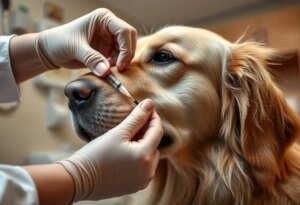
Pet insurance for older dogs gets expensive fast, and if you’ve priced out a policy for a graying senior lately, you already know the sticker shock. But “cheap” and “worthless” are not the same thing, and I want to walk you through five picks that won’t drain your wallet while still showing up when your old dog actually needs them.
I’ve spent years around aging dogs at the sanctuary, watching families make gut-wrenching choices about care because the math didn’t work out. So let’s talk honestly about what you’re really buying, what you’re not, and where the real gaps hide.
Why Senior Dogs Face Higher Premiums (And More Exclusions)
Here’s the part insurance companies don’t lead with in their ads: the older your dog gets, the more expensive and restrictive coverage becomes. It’s not random. According to the North American Pet Health Insurance Association (NAPHIA), arthritis, cancer, and organ decline are the top claims filed for dogs after age 7. Insurers know this. They price around it.
That means by the time your dog needs coverage the most, in those tender senior years, the policy is often shrinking around them. Some insurers cap enrollment age entirely. Others technically accept older dogs but load the premium so heavily it stops making sense.
Insurance for an old dog isn’t about hoping nothing goes wrong anymore. It’s about facing what probably will, with eyes open and a plan in place.
This is why finding pet insurance for older dogs takes more digging than a quick Google search and the first quote that pops up. You have to read the fine print like it’s a bedtime story you actually care about, because it is.
What “Cheap” Really Costs: The Fine Print That Quietly Gulps Your Money
A low monthly premium can be a trap dressed up as a bargain. I’ve seen families get excited about a budget-friendly quote, only to discover the coverage barely functions when a real diagnosis lands on the table.
Three things determine whether cheap senior dog insurance is actually useful, or just a monthly withdrawal with nothing to show for it:
- Deductibles – the amount you pay out of pocket before the policy kicks in. Some budget plans have annual deductibles that reset every year and stack up fast with chronic conditions like arthritis or kidney disease.
- Reimbursement percentage – most plans pay back 70 to 90 percent of the vet bill, but the cheapest tiers often drop to 50 percent, meaning you’re still footing half.
- Pre-existing condition clauses – this is the big one for senior dogs. If your dog already has documented arthritis, a heart murmur, or early kidney values, most insurers will exclude anything related to that condition permanently. For an aging dog, that can gut the whole point of the policy.
So when you’re comparing cheap senior dog insurance, don’t just look at the monthly number. Look at what it actually pays for once your dog is the one on the exam table, shaking a little, looking up at you like you’ll fix it.
Five Budget-Friendly Picks for Aging Dogs
None of these are perfect. I want to be straight with you about that upfront. But each one offers a real path to budget pet insurance without pretending your senior dog doesn’t have a history.

1. Accident-Only Plans Through Major Carriers
If your dog is already managing a chronic condition, an accident-only policy sidesteps a lot of the pre-existing condition fights entirely, since it’s not underwriting for illness at all. Pros: notably lower premiums, fast claims for injuries like sprains or torn ligaments. Cons: zero coverage for cancer, organ failure, or the arthritis flare that’s genuinely the reason you wanted coverage in the first place.
2. Tiered Comprehensive Plans With High Deductibles
Some insurers let you choose a higher deductible (say, $750 to $1,000) in exchange for a noticeably lower monthly rate. This works well for families who can absorb a mid-size vet bill but want protection against the catastrophic ones, a tumor removal, an emergency surgery. Pros: real illness coverage at a lower monthly cost. Cons: you’re on your own for the smaller, more frequent senior expenses like bloodwork and joint management.
3. Wellness Add-On Bundles
A few budget insurers offer a stripped-down base plan with an optional wellness rider for routine care, dental cleanings, senior bloodwork panels. Pros: helps spread out predictable costs. Cons: wellness add-ons rarely cover big-ticket emergencies, so it’s a supplement, not a safety net.
4. Regional or Co-Op Pet Insurance Programs
Some credit unions and regional pet welfare organizations partner with insurers to offer discounted group rates. Pros: genuinely lower pricing, sometimes with more lenient senior enrollment. Cons: availability depends heavily on your zip code and membership status, so this isn’t a nationwide fix.
5. Multi-Pet Discount Bundles
If you’ve got more than one dog (and let’s be honest, a lot of us do), bundling coverage often knocks 5 to 10 percent off the total premium. Pros: meaningful savings if you have multiple aging pets. Cons: doesn’t help if your senior dog is your only one.
While you’re weighing these options, it helps to have a side-by-side. Here’s how they stack up on the things that actually matter for an old dog’s coverage.
| Plan Type | Best For | Pre-Existing Flexibility | Reimbursement Range | Price Tier |
|---|---|---|---|---|
| Accident-Only | Dogs with existing chronic illness | High (illness excluded anyway) | 70-90% | $ |
| High-Deductible Comprehensive | Catastrophic protection | Low to Moderate | 70-80% | $$ |
| Wellness Add-On Bundle | Routine senior maintenance | Moderate | 50-70% (wellness portion) | $$ |
| Regional Co-Op Program | Members in eligible areas | Varies by insurer | 70-90% | $ |
| Multi-Pet Bundle | Multi-dog households | Moderate to High | 70-90% | $$ |
None of these tiers approach the luxury end of the market, which is intentional. When you’re chasing pet insurance for older dogs on a real budget, luxury plans with high reimbursement and no exclusions simply aren’t the category you’re shopping in.
Real Math: What Senior Dog Insurance Actually Buys You
According to the American Pet Products Association’s 2023-2024 survey, average senior dog health coverage runs somewhere between $50 and $90 a month once you factor in age-based premium increases. That’s $600 to over $1,000 a year, before you’ve filed a single claim.
So what does that buy? For a comprehensive mid-tier plan, it typically means coverage for unexpected illness (say, a sudden mass that needs biopsy), emergency injury care, and a portion of ongoing chronic condition management if it wasn’t pre-existing at enrollment. For an accident-only plan at the lower end of that range, it means injury coverage only, no cancer, no organ disease, no arthritis management.

This is where I ask you to really sit with the question: what is your dog’s most likely need in the next few years? A senior Lab with healthy joints might benefit most from cancer and illness coverage. A senior dog already managing hip dysplasia might get more real-world value from redirecting that premium money toward EHEYCIGA Orthopedic XXL Dog Bed, Waterproof support and joint-friendly daily living, rather than paying for coverage that excludes the very condition they have.

- MEMORY FOAM: The EHEYCIGA orthopedic dog bed features memory foam and egg crate foam to provide even support and pressur…
- SOFA BED DESIGN: This bolster dog bed is designed with 4-sided bolsters to offer additional support for your pet’s neck …
- WATERPROOF COVER: A waterproof film is positioned between the fleece surface and the bottom fabric, ensuring the dog bed…

- CAREFULLY FORMULATED: for Gut health, digestive health and sensitive stomachs. These are key to natural immunity. Grain-…
- SKIN & COAT: Wild Caught deboned Alaskan Salmon rich in Omega 3 fatty acids for healthy skin and coat.Caloric content: 3…
- ALL BREEDS & LIFE STAGES: Every kibble is designed to contain all the essential nutrients required for puppies, adult do…
If your household is also weighing insurance decisions across multiple life stages of dogs, our guide to bringing a puppy companion into a senior dog’s home covers how vet costs shift when you’re managing two very different life stages under one roof.
A Gentler Alternative: Self-Funded Savings and CareCredit
Here’s something I say a lot at the sanctuary: insurance isn’t the only form of preparation. For some families, especially those with a dog well into their double-digit years, the math on monthly premiums simply doesn’t pencil out anymore. And that’s okay to admit.
A self-funded vet savings account, just a dedicated savings account you feed a little into every month, can work surprisingly well for predictable, lower-cost senior care like bloodwork, dental cleanings, and joint supplements. You control it. There’s no claims process, no exclusions, no waiting period.
For the bigger, scarier bills, CareCredit and similar medical financing programs let you spread out payment on a major procedure without walking into a bank loan conversation while your dog is still sedated in the back room. It’s not the same as insurance, but for a lot of senior dog families, it’s the difference between “we can’t afford this” and “we’ll figure out the payments.”
Whichever direction you choose, insurance, savings, or financing, cold weather protection matters too as your dog ages and regulates body temperature less efficiently. A well-fitted OUOBOB Dog Puffer Jacket with Hood, Waterproof can prevent the kind of joint stiffness and chill-related discomfort that sends older dogs to the vet more often in winter months.

- LIGHTWEIGHT WARMTH FOR WINTER ADVENTURES: Filled with high-loft polyester insulation instead of real down, this dog wint…
- FULL COVERAGE AGAINST COLD WEATHER: Designed with an integrated hood, extended chest protection, and a longer belly pane…
- EASY ON & OFF WITH TOP-DOWN ZIPPER DESIGN: The front zipper fastens from the neck down, making this dog puffer coat easi…
According to the ASPCA’s senior pet care guidance, preventive care and early detection remain some of the most cost-effective tools available to aging dog owners, regardless of whether you’re insured. That’s not a throwaway line. Catching something early, before it becomes an emergency room bill, is often worth more than any policy fine print.
What “Affordable Love” Really Means for an Old Dog
I think about this a lot. We use the word “affordable” like it’s purely a financial term, but for an old dog, affordable love is really about *consistency*. It’s the vet visit you didn’t skip. The supplement you kept buying even when things were tight. The bed that finally let their hips rest without pain.
Cheap **pet insurance for older dogs** isn’t a failure or a compromise if you go into it with clear eyes about what it covers and what it doesn’t. What matters is that you have a plan, any real plan, so the next hard diagnosis doesn’t blindside your bank account on top of breaking your heart.
If your family is also weighing insurer comparisons more broadly, our breakdown of ASPCA vs Pumpkin vs Spot senior dog insurance options digs deeper into how these bigger carriers handle aging pets specifically.
Whatever you choose, budget plan, savings account, or financing, just don’t let the fear of cost stop you from getting your old dog seen. That’s the real risk. Not the premium.
Is cheap pet insurance for older dogs actually worth it?
It can be, as long as you understand exactly what’s excluded. Budget plans often work best for accident coverage or catastrophic protection rather than full chronic illness management, since pre-existing conditions are almost always excluded once your dog is already showing symptoms at enrollment.
At what age do premiums for senior dog health coverage increase the most?
Most insurers raise premiums noticeably starting around age 7, which lines up with NAPHIA data showing arthritis, cancer, and organ-related claims climbing sharply in that age range. Some insurers also cap new enrollment around age 10 to 14 depending on breed size.
What’s better for an older dog: accident-only or comprehensive coverage?
It depends on your dog’s current health. If your senior dog is generally healthy with no diagnosed chronic conditions, comprehensive coverage protects against future illness. If your dog already has a documented chronic condition, accident-only coverage is often the more honest, budget-friendly fit since illness coverage would likely exclude that condition anyway.
Are there alternatives to pet insurance for older dogs on a tight budget?
Yes. Self-funded vet savings accounts and medical financing programs like CareCredit are common alternatives. They won’t function exactly like insurance, but they give families a structured way to handle both predictable senior care costs and larger emergencies without a monthly premium.
Tell your pup I said Hi! — Dawn