
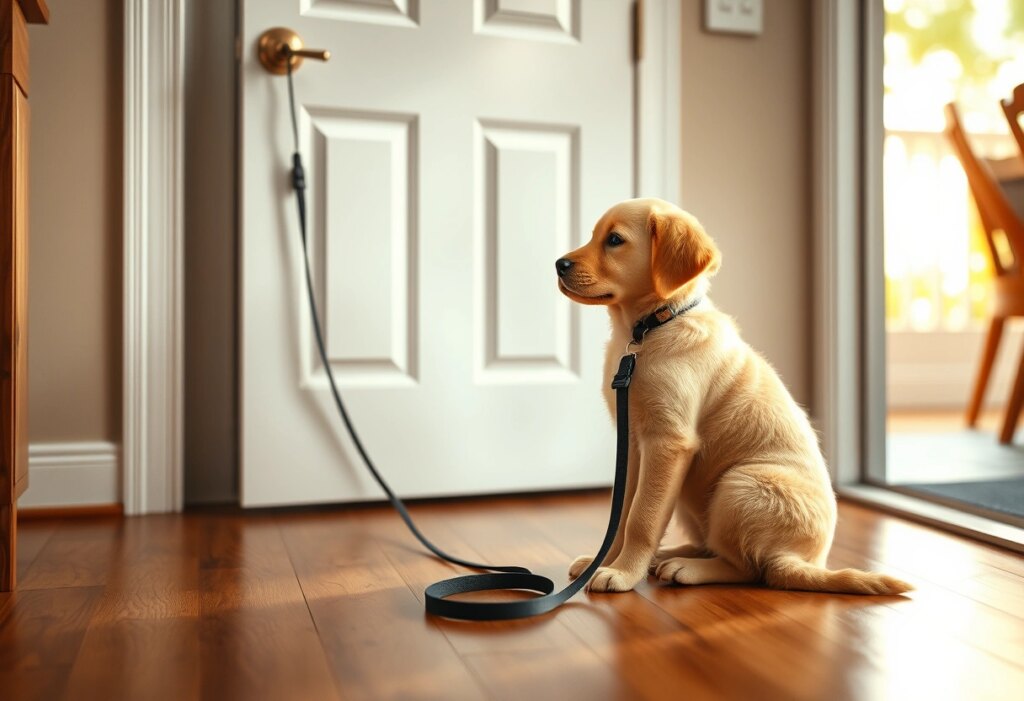

If you’re searching for a potty trained golden retriever puppy you can bring home and skip the mess entirely, I have to be honest with you before you spend another minute scrolling listings: it’s a bit of a unicorn hunt. Puppies, by their very nature, are not reliably house-trained until somewhere between four and six months of age, according to the American Kennel Club. That’s not a flaw in the puppy. That’s just biology. Their little bladders and their little brains haven’t caught up yet. So let’s talk about where a genuinely house trained puppy might actually come from, and where the red flags are flying high.
I’ve spent years around dogs at every age and stage, from wobbly newborns to the graying seniors who fill my heart at the sanctuary. And if there’s one thing I want you to walk away with today, it’s this: patience and honesty will get you a better dog than shortcuts ever will. Let’s get into it.
Why Fully Potty-Trained Puppies Are Rare Before 4-6 Months
Here’s the physiological truth nobody selling puppies wants to slow down and explain. A young puppy simply doesn’t have the bladder control or the neurological development to consistently “hold it” until they’re a few months old. Ads promising a potty trained golden retriever at eight or ten weeks are, frankly, selling you a fantasy. What they might mean is the puppy has started to associate a pad or a specific spot with elimination. That is not the same as being reliably house trained.
Real house training isn’t a switch that flips. It’s a relationship built on consistency, timing, and trust between you and your dog. Anyone who tells you otherwise is skipping the part where the real bonding happens.
A genuinely house trained puppy generally needs weeks of consistent routine, ideally started by a breeder who has already put in the early groundwork with a schedule, crate exposure, and litter box or grass patch training. Even then, expect regression once the pup transitions to your home. New smells, new floors, new routines. It’s disorienting for them. Give grace here. This is where so many owners give up too soon, and it breaks my heart every time.
Reputable Breeder Vetting Checklist (OFA/CHIC Health Clearances)
If you’re set on going the breeder route for trained golden retriever puppies, your vetting has to go deeper than “have they started potty training.” A responsible golden retriever breeder should proudly hand over documentation, not dodge the question. Here’s what I personally look for, and what I tell every family who comes through our doors asking for referrals:

- OFA hip and elbow clearances on both parent dogs, since golden retrievers are prone to hip and elbow dysplasia
- CHIC (Canine Health Information Center) database listing showing a full health testing history, not just cherry-picked results
- Cardiac clearance from a board-certified cardiologist, since golden retrievers carry elevated risk for heart conditions
- Eye clearance (CERF/OFA Eye) updated annually
- Willingness to let you visit in person and meet the puppy’s parents
- A written contract with health guarantees and a return clause if things don’t work out
- References from previous puppy buyers you can actually contact
Any breeder who gets defensive when you ask for this paperwork is telling you everything you need to know. Walk away. This is a sacred trust you’re entering into for the next decade or more of your life, and a puppy’s foundation matters just as much as their manners around the back door.
If you’re weighing breeder options against a mixed-heritage pup, I wrote about this tension in Golden Shepherd Puppies: Adopt or Buy? A Senior-Dog Advocate Weighs In, and the health-testing questions apply just as much there.
Rescue and Rehoming Options Where Older, Already-Trained Goldens Are Common
Here’s the part that genuinely lights me up. If your real goal is a potty trained golden retriever and not specifically a baby puppy, adult rescue dogs solve this problem beautifully. The ASPCA estimates that millions of dogs enter shelters and rescues every year, and a huge number of them are already house-broken adults who simply lost their home through no fault of their own. Divorce. Death of an owner. Financial hardship. Moving somewhere that wouldn’t allow pets. Honestly, who thinks giving up a loyal, trained companion is easier than working through a hard season? It breaks something in me every time I hear the reasons.
These dogs already know the routine. They just need someone to give them a chance to show it. Golden retriever rescues and breed-specific rehoming groups regularly place adult and senior goldens who are calm, already house trained, and desperate for a soft place to land. If you compare that to gambling on a puppy from an unverified backyard breeder, the math starts to look pretty different. I lay out more of that comparison in Rescued Golden Retrievers vs Breeder Puppies: What to Know.
Older rescue dogs carry a quiet dignity that puppies simply haven’t earned yet. There’s a stillness in an adult golden who’s ready to just *be* with you. Don’t discount that peace in your search for a house trained puppy.
Red Flags for Scam “Pre-Trained Puppy” Listings
I want to get direct with you here, because this is where good-hearted people get taken advantage of. When you see an ad promising potty trained puppies for sale at eight weeks old, guaranteed no accidents, ready to go, please pause. Here’s what should make your gut tighten:

- Prices that seem unusually low for a health-tested golden retriever line
- No willingness to do a video call or in-person visit before payment
- Pressure to wire money quickly or use untraceable payment methods
- Stock photos instead of real, current pictures of the actual puppy and parents
- Vague or nonexistent health clearance documentation
- Claims of guaranteed potty training with zero accidents ever
- Multiple breed listings from the same “breeder” across totally different breeds, which usually signals a broker or puppy mill front
If something feels off, it usually is. Trust that gut instinct. A puppy is not an Amazon package that arrives fully assembled. Anyone selling you the fantasy of zero mess and zero effort is either lying or running a mill you do not want to support.
Realistic Training Timeline Expectations for New Owners
Let’s talk about what actually works, because whether you end up with a baby puppy or a rescued adult, some accidents are simply part of the deal in the early weeks. A house trained puppy is built, not bought. Here’s a realistic rhythm:
- Weeks 1-2 in your home: expect regression regardless of prior training, due to new environment stress
- Weeks 3-6: consistent schedule starts to click, especially with crate structure and set potty windows
- Months 4-6: bladder control matures enough for reliable house training in most puppies
- Adult rescues: often need just a few days to a couple weeks to relearn a new home’s layout, even if fully house trained previously
Setting up your home for success matters just as much as the dog’s temperament. A solid resource like Dog Training for Beginners: The Complete Guide to Puppy Training can walk you through the early foundations if this is your first time raising a puppy from scratch.

For the specific mechanics of house training, whether puppy or adult rescue, I’ve found step-by-step breakdowns genuinely helpful for families who feel lost in the early weeks. A guide like How to Housebreak Your Puppy and Adult Dog covers both scenarios, which matters since your timeline looks different depending on which route you chose.

And while you’re in that messy middle stretch, waterproof, washable pads can be a sanity-saver for indoor accidents without you burning through disposable pads every single day. We use Washable Pee Pads for Incontinence and Potty Training at the sanctuary for both puppies in training and our senior dogs who need a little extra help these days. It’s a small tool that buys you grace during a season that’s supposed to be temporary.

- Super Absorbent & Leak-Proof: Engineered with a multi-layer core, our washable pee pads for dogs instantly absorb and lo…
- Non-Slip Backing: Say goodbye to messy, shifting dog pee pads. The non-slip backing keeps the puppy pee pads firmly in p…
- Designed For Senior Dogs & Incontinence Care: Unlike disposable pads you throw away daily, these reusable pee pads are b…
Comparing Your Options for a Potty Trained Golden Retriever
To make this easier to hold in your head, here’s how the main paths stack up when your goal is landing a genuinely potty trained golden retriever without falling into a scam or an unfair expectation.
| Option | Typical Training Status | Health Documentation | Time to Reliable House Training | Price Tier |
|---|---|---|---|---|
| OFA/CHIC-Verified Breeder Puppy | Early foundations only, not fully reliable | Extensive (hips, elbows, heart, eyes) | 4-6 months | $$$$ |
| Backyard Breeder / Unverified Listing | Often falsely advertised as fully trained | Minimal to none | Unpredictable, high risk | $$ |
| Breed-Specific Rescue (Adult) | Frequently already house trained | Vet-checked, vaccination records provided | Days to 2 weeks (adjustment period) | $ |
| Shelter Adoption (Adult) | Varies, many are house trained | Basic vet check included | 1-3 weeks (adjustment period) | $ |
| “Guaranteed Pre-Trained Puppy” Ad | Claim is almost always exaggerated | Rarely provided | Unreliable, often full retraining needed | $$$ |
A Few Honest Words Before You Decide
I know the appeal of skipping straight to the easy part. Believe me, after decades around dogs, I understand the exhaustion of imagining another round of accidents on the rug. But a potty trained golden retriever found through shortcuts usually comes with hidden costs, whether that’s poor health testing, a puppy mill origin, or simply unrealistic expectations that set you both up to fail.
Whether you choose a thoroughly vetted breeder or open your home to a rescued adult golden who already knows the ropes, what matters most is honesty going in. Ask hard questions. Read the room. Trust the dog in front of you over the promise on a screen.
Frequently Asked Questions
Can I really find a fully potty trained golden retriever puppy for sale?
It’s extremely unlikely with a young puppy, since reliable bladder control typically doesn’t develop until four to six months of age. Ads claiming a fully potty trained puppy under that age should be viewed with real skepticism. Adult rescue goldens are your best bet for a dog that’s already house trained.
How long does it take to house train a golden retriever puppy?
Most golden retriever puppies become reliably house trained between four and six months old with a consistent schedule, crate structure, and frequent supervised potty breaks. Some individual dogs take longer, and that’s completely normal. Consistency matters more than speed.
Are rescue golden retrievers usually already house trained?
Many adult golden retrievers who enter rescues or shelters were previously house trained in their former homes, and this training typically carries over with only a short adjustment period in a new environment. This makes rescue adoption one of the most reliable paths to a house trained puppy or adult dog.
What are the biggest red flags when searching for potty trained puppies for sale?
Watch for unusually low prices, refusal to provide health clearance documentation, pressure to pay quickly through untraceable methods, and guarantees of zero accidents at a young age. These are common signs of an unverified breeder or an outright scam rather than a legitimate potty trained golden retriever.
Wherever your search takes you, breeder or rescue, give the process the time it deserves. A dog’s trust in you, and yours in them, is built one consistent day at a time. That’s not a shortcut. That’s the whole point.
Tell your pup I said Hi! — Dawn