
Senior dog food is one of those things that sounds simple until you’re standing in the pet store aisle at nine at night, reading ingredient labels with your readers on, wondering if you’re about to feed your old friend something that’ll actually help him or quietly hurt him. That’s exactly where this Blue Buffalo Senior deep look comes from. Not a lab. Not a marketing department. A sanctuary kitchen table, a lot of gray-muzzled dogs, and years of watching what actually happens in the body and the stool and the energy level after a bag switch.
So let’s get into it honestly. Is Blue Buffalo Senior worth your money and your dog’s gut in 2026? Mostly yes, with some real caveats you need to know before you buy.
Why Senior Dogs Need a Different Nutritional Profile Than Adult Dogs
Here’s something a lot of pet parents don’t realize: there’s no legally defined “senior” nutrient profile under AAFCO. That’s right. The American Kennel Club and most veterinary nutritionists will tell you that “senior formula” is largely a marketing category, not a regulated one. AAFCO only recognizes “growth,” “maintenance,” and “all life stages” profiles. So when a bag says “Senior 7+,” it’s a company’s own judgment call about what an aging dog needs, not a government mandate. That means ingredient quality matters more than the word “senior” printed on the bag. What older bodies genuinely need tends to include:
- Lower calorie density (aging dogs move less, and metabolism slows)
- Higher quality, easily digestible protein to preserve lean muscle mass
- Joint-support additives like glucosamine and chondroitin
- Increased fiber for digestive regularity
- Omega-3 fatty acids for joints, skin, and cognitive support
When I’m evaluating any senior dog food for the dogs in our care, I’m not looking at the front of the bag. I’m flipping it over. The front is for you. The back is for your dog. This is the single biggest lesson I can hand you before you spend another dollar on a bag with a gray-muzzled Golden on the label.

Breaking Down Blue Buffalo Senior’s Ingredient List
Blue Buffalo Senior formulas generally lead with a named animal protein (chicken or fish, depending on the line), which is a good sign. Named proteins mean the company is being specific rather than hiding behind vague terms like “meat meal.” That specificity matters for dogs with sensitivities, and honestly, it matters for transparency in general. Where Blue Buffalo tends to shine is the inclusion of glucosamine and chondroitin directly in the kibble, along with their “LifeSource Bits,” a layer of cold-formed nutrients meant to support immune health and vitality. It’s a nice touch, though I’ll be candid: the actual dosage of glucosamine in most kibble formulas is modest. If your dog has diagnosed joint disease, kibble additives alone usually aren’t enough. You’ll likely still need a dedicated joint supplement on top of the food itself. There’s also the grain-inclusive versus grain-free question, and this is where things get serious.
What Vets and Pet Parents Actually Say (And the DCM Concern You Can’t Ignore)
In 2019, the FDA opened an investigation into a possible link between grain-free diets, particularly those heavy in peas, lentils, and legumes, and dilated cardiomyopathy (DCM) in dogs not genetically predisposed to the condition. Blue Buffalo’s grain-free lines were among the brands named in that investigation. You can read the full agency findings directly from the FDA’s official report on this topic. I want to be straight with you here, the way I’d talk to you over coffee at the sanctuary. This isn’t fearmongering. It’s not settled science either. But if you’re feeding an aging dog, one whose heart is already working a little harder than it used to, this is not a risk I’d gamble on without a real conversation with your vet. My honest recommendation? If you’re drawn to Blue Buffalo, lean toward their grain-inclusive senior formulas unless your vet has specifically cleared a grain-free diet for a diagnosed sensitivity. Most vets I trust have quietly shifted their own recommendations this way since 2019, and I think that’s wisdom worth listening to. Pet parents in our community report generally good palatability with Blue Buffalo Senior, meaning picky old dogs tend to actually eat it, which matters more than we admit. A perfect ingredient list means nothing if your dog turns his nose up at the bowl.
Comparing Blue Buffalo Senior Against Other Trusted Senior Brands
Cost matters. I’m not going to pretend it doesn’t, especially if you’re caring for multiple dogs like we do at the sanctuary. Per WSAVA nutrition guidance, quality senior formulas generally run in a moderate to premium price range per pound, and you should expect to pay more for better sourcing and third-party testing. Here’s how Blue Buffalo Senior stacks up against two other widely trusted senior brands, based on formulation quality, protein sourcing, and overall value:

| Brand & Formula | Primary Protein | Joint Support | Grain Status | Price Tier |
|---|---|---|---|---|
| Blue Buffalo Senior (Grain-Inclusive) | Chicken | Glucosamine + Chondroitin (kibble-level dose) | Grain-Inclusive | $$$ |
| Hill’s Science Diet Adult 7+ | Chicken Meal | Glucosamine + Omega-6 fatty acids | Grain-Inclusive | $$$ |
| Nutro Natural Choice Adult | Farm-Raised Chicken | Non-GMO, natural antioxidant blend | Grain-Inclusive | $$ |
Hill’s Science Diet is the brand you’ll hear most often when you ask a veterinarian directly, and there’s a reason for that. It’s backed by decades of clinical feeding trials, not just formulation theory. If you want a senior dog food with that kind of clinical weight behind it, Hill’s Science Diet Adult 7+ Dry Dog Food is consistently what I recommend to families in our network who want a mid-tier investment with real veterinary research behind the bag.

- Healthy heart, kidneys, and bladder supported by antioxidants and balanced minerals
- Lean muscles supported with high-quality protein
- Made with natural ingredients
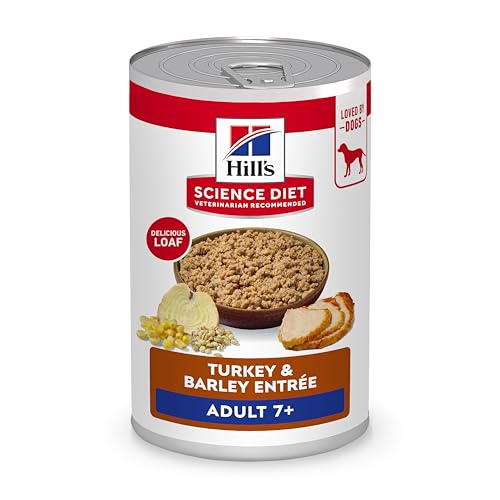
For dogs who’ve lost interest in dry kibble entirely, which happens a lot in the final chapters of a senior dog’s life, we’ve had good luck softening meals with Hill’s Science Diet Adult 7+ Wet Dog Food. It’s easier on aging teeth and tends to coax appetite back in dogs who are otherwise turning away from the bowl. That alone has been worth its weight to us more times than I can count.
If your budget is tighter this season, and I know for so many of us it is, Nutro Natural Choice Adult Dry Dog Food gives you farm-raised chicken as the first ingredient at a genuinely budget-friendly price point. It’s not flashy, but it’s honest food, and honest food is what most of our dogs actually need.

- Supports Whole-Body Health: NUTRO NATURAL CHOICE Adult Dry Dog Food is made with essential nutrients and antioxidants to…
- Made With Real Lamb: Real lamb is the #1 ingredient in this protein-rich recipe
- Supports Healthy Skin & Coat: Made with high-quality protein, this delicious dry dog food also contains Omega 3 & 6 fatt…
“Food is medicine for an old dog. It’s not glamorous work, standing at the counter measuring kibble by the cup, but it’s one of the most sacred, quiet acts of love we get to do for them every single day.”
My Honest Take From the Sanctuary on Transitioning Aging Dogs to New Food
I’ve transitioned more old dogs onto new food than I can count, and I’ll tell you the truth: aging guts are not forgiving. A young dog might handle a fast switch just fine. An old dog, especially one with a history of pancreatitis or a sensitive stomach, can end up with days of soft stool, vomiting, or just refusing to eat at all if you rush it. Here’s what I do every single time, no exceptions:
- Mix 25% new food with 75% old food for two to three days
- Move to 50/50 for another two to three days
- Shift to 75% new, 25% old for a few more days
- Only go to 100% new food once stool has stayed normal the whole way through
- Watch closely for excessive gas, lethargy, or appetite refusal, and slow the transition down if you see any of it
If you ever notice blood in the stool, repeated vomiting, or a dog who just won’t eat for more than a day, stop the transition and call your vet. Don’t wait it out hoping it resolves. Old bodies don’t have the same reserves young ones do, and dehydration can sneak up fast. This is also exactly the kind of moment where a loving home versus a neglectful one becomes so painfully clear. A dog who’s been surrendered or rescued later in life, the ones we see coming out of situations like those described in our piece on the best Golden Retriever rescue groups for mill survivors, often arrives with a gut that’s been wrecked by years of poor quality feed. Watching them heal, watching their coat come back and their energy return because someone finally cared enough to read a label, that’s the whole reason I do this work. I’d also gently remind you that food is only one piece of comfort for an aging dog. If your senior gets rattled by thunderstorms, fireworks, or general noise anxiety as their hearing and nervous system age, it’s worth pairing good nutrition with something like the options in our guide to the best calming aids for noise-sensitive senior dogs. Quality of life is never just one thing. It’s the whole picture, stitched together with patience.
So, Is Blue Buffalo Senior Worth Buying?
My honest answer, dog to dog, human to human: yes, with conditions. Blue Buffalo Senior is a solid mid-tier senior dog food when you choose the grain-inclusive lines, especially for dogs without diagnosed heart conditions. It’s not the most clinically studied option on the shelf, that title still belongs to brands with decades of feeding trials behind them, but it’s a reasonable, palatable, thoughtfully formulated choice for many aging dogs. What I won’t do is tell you it’s the only right answer. The best senior dog food is the one your specific dog thrives on, the one that keeps his stool normal, his coat glossy, his energy steady, and his heart healthy. Sometimes that’s Blue Buffalo. Sometimes it’s not. Your vet, your dog’s bloodwork, and your own eyes watching him after every meal are the real experts here, not me and not the bag.
Frequently Asked Questions About Senior Dog Food
Is Blue Buffalo Senior good for dogs with joint pain?
It contains glucosamine and chondroitin, which can offer mild support, but the dosage in kibble is generally too low to manage diagnosed joint disease on its own. Most vets recommend pairing senior dog food with a dedicated joint supplement for dogs showing real mobility decline.
Should I avoid grain-free senior dog food entirely?
Not entirely, but caution is warranted. Following the FDA’s investigation into a potential link between grain-free diets and DCM, most veterinarians now recommend grain-inclusive senior dog food unless your dog has a vet-confirmed grain sensitivity requiring an alternative formula.
How much should senior dog food cost per pound?
Quality senior dog food generally falls in a moderate to premium price tier, reflecting better protein sourcing and quality control. Budget options exist and can still be nutritious, but always check the ingredient panel rather than assuming price alone reflects quality.
How slowly should I transition my old dog to a new senior dog food?
Plan on a transition period of seven to ten days minimum, gradually increasing the ratio of new senior dog food to old food while watching stool consistency and appetite closely. Aging digestive systems are far less forgiving of abrupt changes than younger dogs.
Whatever bag ends up in your pantry, I hope you fill your old dog’s bowl tonight with the same intention we try to bring to every meal here at the sanctuary. It’s such a small act on paper, and it means absolutely everything to the dog looking up at you. Thank you for caring enough to read this far. That tells me everything about the kind of person your dog is lucky to have. Tell your pup I said Hi! — Dawn