


Senior dog insurance sounds like a comfort until you actually read the fine print, and I’ve sat with too many exhausted pet parents at 2am, staring at a vet estimate, realizing their “affordable” policy wasn’t going to cover much of anything. I’ve spent years running a sanctuary full of old souls with bad hips, failing kidneys, and cloudy eyes, and I can tell you this straight: the cheapest plan on paper is rarely the cheapest plan in real life. Let’s talk about what’s actually going on with these policies, because your gray-muzzled best friend deserves better than a marketing brochure.
The Real Cost of Aging: Why Senior Dogs Face Higher Premiums and Lower Coverage Caps
Here’s the part nobody tells you at the breeder or the shelter when you bring home that wiggly puppy: insurance gets a lot more expensive, and a lot less generous, once your dog crosses into their golden years. According to the North American Pet Health Insurance Association’s 2023 State of the Industry Report, premiums for senior dogs can run two to three times higher than what you’d pay for a puppy. That’s not a typo, and it’s not an accident. Insurers price risk, and an aging body carries risk the way a young one simply doesn’t.
I’ve watched this play out with my own pack. A dog who was cheap to insure at age two becomes a completely different financial conversation at age eleven, when the same company suddenly caps payouts or adds new exclusions. This is why so many families start searching for senior dog insurance only after something has already gone wrong, and by then, some of the best options are already off the table. If you’re bringing home an older dog, or your dog is aging into this stage now, the time to look at senior dog insurance is before the diagnosis, not after.
What “Cheap” Really Means at This Life Stage
Cheap is a word that gets thrown around loosely in this industry, and it makes my blood pressure rise a little every time. A policy advertised at a low monthly rate can still leave you drowning in bills because of how deductibles, payout percentages, and exclusions are structured.
Here’s what to actually look at, not just the sticker price:
- Annual deductible – the amount you pay before the insurer pays anything, which resets every year and can be surprisingly high on budget plans
- Reimbursement percentage – most cheap plans reimburse 70% or less, meaning you’re still fronting a real chunk of every vet bill
- Annual payout caps – some low cost dog insurance policies cap total payouts at a number that a single cancer treatment or surgery can blow through in one visit
- Pre-existing condition exclusions – this is the quiet killer. Arthritis, heart murmurs, early kidney values, anything your vet has ever noted in a chart can get flagged and excluded permanently
That last point is the one that guts coverage for aging dogs specifically. Senior dogs rarely arrive at a new policy with a clean slate. They’ve usually got a little something in their history, and insurers know it. So when you’re comparing senior dog insurance, read the exclusions list like it’s a legal contract, because it is one.
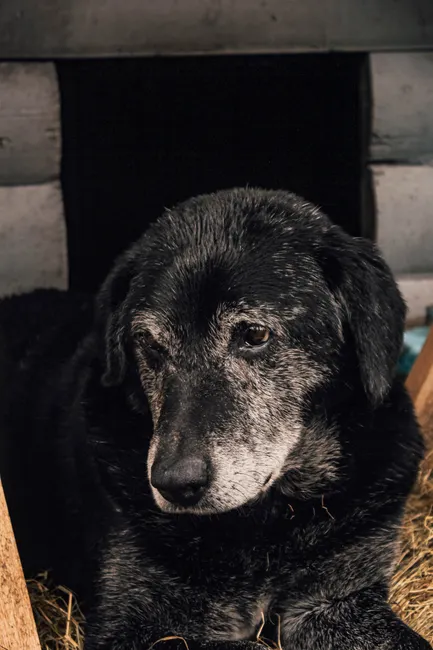
Cheap insurance that excludes the exact conditions your senior dog is most likely to develop isn’t really insurance. It’s a monthly bill for peace of mind you don’t actually have.
Side-by-Side Comparison of Budget-Friendly Providers for Dogs 8+
I asked around, compared plan documents, and pulled together what I’ve found to be the most honest picture of what’s out there for dogs in their senior years. This isn’t every provider, but it’s a fair cross-section of what “budget” actually looks like once your dog is eight or older.
| Plan Type | Best For | Typical Reimbursement | Pre-Existing Condition Coverage | Price Tier |
|---|---|---|---|---|
| Accident-Only Plan | Dogs with existing chronic illness | 50-80% | Not covered | $ |
| Basic Accident-and-Illness | Relatively healthy seniors, early enrollment | 60-70% | Excluded, curable conditions may qualify after waiting period | $$ |
| Mid-Tier Accident-and-Illness | Seniors with mild joint or dental issues | 70-80% | Excluded, some bilateral condition carveouts | $$$ |
| Comprehensive Senior Plan | Dogs 8+ with no major diagnosed conditions yet | 80-90% | Excluded, but broader chronic illness coverage going forward | $$$$ |
| Wellness Add-On Bundle | Families wanting routine care plus illness coverage | Varies by service | Not applicable (routine care focus) | $$$$$ |
Notice something? The truly affordable low cost dog insurance options, the accident-only and basic plans, are the ones offering the least protection for the very conditions senior dogs actually develop. That’s not a coincidence. It’s math on the insurer’s side, and you have to go in with your eyes open.
Hidden Costs Sanctuary Caregivers See Firsthand
I want to tell you about the gap between what a policy promises and what it actually pays, because I’ve lived in that gap more times than I can count. A thirty-dollar-a-month “affordable” plan feels responsible right up until your dog is diagnosed with kidney disease, and suddenly you’re looking at bloodwork, prescription diets, subcutaneous fluids, and follow-up visits for the rest of their life.
The American Veterinary Medical Association has noted that managing chronic disease in aging dogs can exceed two to four thousand dollars annually. Now stack a policy with a high deductible, a 70% reimbursement rate, and a pre-existing exclusion for anything kidney-related (because your vet mentioned “watch her kidney values” in a chart note two years ago), and you can see how fast that “affordable” plan turns into a paperwork exercise that pays out almost nothing.
Medication costs alone catch families off guard constantly. Seizure disorders, for instance, often require long-term management with something like Phenobarbital, 16.2 MG Tablet, and if that condition was ever noted before your policy started, don’t expect a dime toward it.
There is an issue displaying Amazon products. Please contact the administrator to check that.Skin conditions are another quiet budget drain in older dogs, especially mange or parasitic issues that flare up when the immune system starts slowing down with age. Something like IVERMECTIN 1 % CREAM might come up in a treatment plan, and if your policy treats it as a pre-existing or excluded dermatological issue, that cost lands squarely on you.
There is an issue displaying Amazon products. Please contact the administrator to check that.Eye issues sneak up too. Dry eye and reduced tear production are common in aging dogs, and something as routine as PILOCARPINE 1 % EYE DROPS for managing certain eye conditions can become a recurring monthly cost that a bare-bones plan won’t touch if it’s tied to a condition diagnosed before enrollment.
There is an issue displaying Amazon products. Please contact the administrator to check that.This is why I tell people: read every exclusion clause like you’re preparing for a fight, because in some ways, you are. Insurance companies aren’t cruel, they’re businesses, but their business model depends on you not reading closely.

My Honest Take: When Insurance Makes Sense, and When a Vet Savings Fund Wins
Here’s the truth I’ve come to after years of holding dogs through their hardest days. Insurance can be a genuine gift when you get it early, ideally before your dog turns seven or eight, while they’re still healthy enough to avoid most exclusions. Locking in senior dog insurance while your dog is still relatively spry is one of the smartest things a pet parent can do.
But if your dog is already older, already has a diagnosis or two, cheap pet insurance may do very little for you. In that case, I’ve seen families do just as well, sometimes better, with a dedicated vet savings account. Set aside a fixed amount every month into a separate fund earmarked only for veterinary care. No exclusions, no waiting periods, no claim denials. Just money that’s yours, ready when you need it.
Before you sign anything, ask these questions:
- What specific conditions are excluded based on my dog’s current vet records?
- Is there a per-condition or per-year payout cap, and what happens once I hit it?
- Does the reimbursement percentage apply before or after the deductible each year?
- Will my premium increase significantly at each renewal as my dog ages further?
Ask this of yourself too: are you buying senior dog insurance because it truly protects your dog’s care, or because it feels like the responsible box to check? Both answers are valid, but only one of them should drive your decision. And if you’re still in the puppy-raising phase and thinking ahead, resources like this guide on what to know before bringing home a Golden Shepherd puppy can help you plan for a lifetime of care costs, insurance included, from day one. If cost planning across breeds is on your mind, this breakdown of what a Golden Shepherd mix really costs is worth a look too.
For a broader look at general pet wellness standards, the ASPCA offers solid, science-backed guidance that pairs well with whatever financial plan you choose.
Frequently Asked Questions
Is senior dog insurance worth it for a dog already diagnosed with a chronic illness?
Usually not, because most policies exclude pre-existing conditions permanently. If your dog already has a diagnosis like arthritis, heart disease, or kidney trouble, a vet savings fund or a payment plan through your veterinary clinic often protects you better than a policy that won’t cover the very condition you’re worried about.
What’s the difference between cheap pet insurance and truly comprehensive senior coverage?
Cheap pet insurance typically means a lower reimbursement percentage, a higher deductible, and a lower annual payout cap. Comprehensive senior coverage costs more monthly but reimburses a higher percentage of costs and carries a higher or unlimited annual cap, which matters enormously when chronic illness treatment adds up over a dog’s remaining years.
At what age should I get senior dog insurance to avoid exclusions?
The earlier the better, ideally before age seven or eight and before any chronic condition shows up in your vet records. Enrolling while your dog is still healthy is the single biggest factor in avoiding pre-existing condition exclusions down the road.
Are accident-only plans a good low cost dog insurance option for seniors?
Accident-only plans can make sense for dogs with existing chronic illness, since they cover injuries like fractures or toxic ingestion without touching illness-related exclusions. They won’t help with arthritis, cancer, or organ disease, but they’re a genuinely affordable safety net for the unexpected accident.
Whatever you decide, decide it with open eyes and a clear head, not out of guilt or fear. Your old dog doesn’t need you to have the perfect plan. They need you present, informed, and steady, the same way they’ve been steady for you all these years. That’s the real coverage that matters.
Tell your pup I said Hi! — Dawn