


Sensitive stomach dog food isn’t a luxury for an aging dog. It’s a daily act of mercy, and if you’ve ever cleaned up a middle-of-the-night mess from a gut that just couldn’t handle dinner, you already know exactly what I mean. I’ve spent years feeding old dogs at the sanctuary, and I can tell you this straight: the right bowl of food is sometimes the difference between a dog who thrives and one who just gets by.
Let’s talk about why this happens, what actually helps, and which foods I’d trust for a dog with a fragile gut and a pet parent who’s already stretched thin.
Why Senior Dogs Develop Sensitive Stomachs
Aging is not gentle on a dog’s digestive system. As dogs move past age seven, gut motility slows down. Digestive enzyme production drops. The microbiome shifts in ways researchers are still working to fully understand. Veterinary gastroenterology research has shown that gastrointestinal sensitivity increases significantly in dogs over age seven, and chronic conditions like pancreatitis or inflammatory bowel disease become far more common in this life stage.
I’ve watched this play out in real time with dogs who came to us on cheap kibble, bloated and uncomfortable, unable to hold a normal stool for more than a day. Their bodies simply couldn’t process what they used to handle easily at age three. That’s not the dog being “difficult.” That’s biology.
An aging pancreas is particularly vulnerable. Too much fat, too fast, and you’re looking at a painful flare-up that can land you in an emergency vet visit. Senior dog diet decisions have to account for this reality, not just what’s on sale at the store.
Old dogs don’t need more food. They need smarter food. That distinction has saved more than one dog in my care from a rough night and an expensive vet bill.
What “Low-Maintenance” Really Means for Tired Pet Parents
Here’s something nobody tells you when you take on a senior dog: caregiving fatigue is real. Between medications, mobility help, and midnight bathroom trips, the last thing you need is a food that requires constant experimentation.
Low-maintenance sensitive stomach dog food generally means:

- Single-protein or limited-ingredient formulas that reduce the guesswork of food allergies and intolerances
- Easy-to-digest recipes with high-quality, simple ingredient lists (no mystery meat blends)
- Consistency, meaning you’re not rotating recipes every few weeks trying to chase a calm gut
- Prebiotic fiber and omega-3 fatty acids that support the gut lining and reduce inflammation over time
Once you find a formula that works, the goal is to stick with it. Old dogs, in my experience, do best with routine. Their bodies (and honestly, their nervous systems) settle when the food, the schedule, and the environment stay predictable.
The 5 Vet-Conscious Picks for Easy Digest Dog Food
I chose these formulas based on criteria that actually matter for aging, sensitive dogs: novel or single-source proteins, prebiotic fiber content, added omega-3s, and low-fat profiles that are gentle on an aging pancreas. None of these require a food processor’s worth of effort. Just a scoop, a bowl, and a little patience.
One reliable option worth considering is Purina ONE Plus Digestive Health Dry Dog Food, Chicken. It’s formulated with prebiotic fiber that supports a healthy gut microbiome, and the real chicken as the first ingredient makes it easy on aging teeth and stomachs alike. It’s a budget-conscious pick that doesn’t skimp on digestive support.

- Complete and balanced digestive care dog food with digestive support for adult dogs with sensitive stomachs
- Highly digestible adult dog food formula enriched with probiotics for dog digestive support
- Real chicken is the first ingredient in our high protein dog food, which includes natural glucosamine sources for joint …
For dogs who need a novel protein source, I like Lucy Pet Formulas for Life Salmon, Pumpkin, & Quinoa Dry Dog Food. Salmon brings omega-3 fatty acids to the table, which help calm inflamed gut tissue, and pumpkin is a gentle, natural source of fiber that many sanctuary dogs do beautifully on. Quinoa offers digestible protein without the heaviness of some grain-heavy recipes. This one tends to work well for dogs who’ve cycled through chicken and beef without much luck.

- CAREFULLY FORMULATED: for Gut health, digestive health and sensitive stomachs. These are key to natural immunity. Grain-…
- SKIN & COAT: Wild Caught deboned Alaskan Salmon rich in Omega 3 fatty acids for healthy skin and coat.Caloric content: 3…
- ALL BREEDS & LIFE STAGES: Every kibble is designed to contain all the essential nutrients required for puppies, adult do…
For the dogs with the toughest guts, the ones dealing with diagnosed IBD or chronic pancreatitis, I’d point a pet parent toward Blue Buffalo Natural Veterinary Diet Hydrolyzed Salmon Dry Dog Food. This is a hydrolyzed protein formula, meaning the proteins are broken down small enough that the immune system barely recognizes them as food to react to. It’s a premium investment, but for a dog whose gut has failed everything else, it can be the formula that finally brings peace. I’d recommend running this one by your vet first since it’s designed for a specific therapeutic purpose.
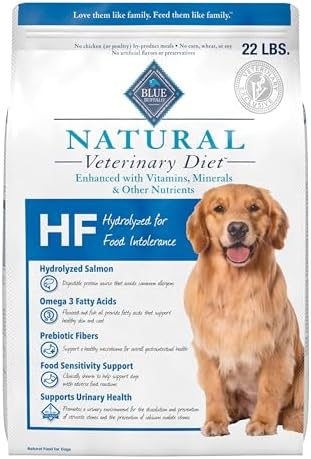
- REAL SALMON FIRST: This Blue Buffalo dry dog food is made with hydrolyzed salmon as the #1 ingredient
- VETERINARY-PRESCRIBED FORMULA: Formulated for dogs with special dietary needs, this dry dog food is packed with nutritio…
- FOOD INTOLERANCE SUPPORT: Prescription dog food formulated with hydrolyzed salmon, a readily digestible protein source, …
Beyond these three, I’d also encourage pet parents to look for limited ingredient dog food options with a single novel protein like duck or venison, and low-fat turkey-based formulas for dogs managing pancreatitis specifically. The goal with any senior dog diet is fewer ingredients doing more work, not a longer label to decode.
Comparing the Top Sensitive Stomach Dog Food Options
| Product | Primary Protein | Key Digestive Feature | Best For | Price Tier |
|---|---|---|---|---|
| Purina ONE Plus Digestive Health | Chicken | Prebiotic fiber blend | Everyday sensitive stomachs, budget-conscious homes | $ |
| Lucy Pet Formulas for Life Salmon, Pumpkin, & Quinoa | Salmon | Omega-3s plus pumpkin fiber | Dogs needing a novel protein switch | $$ |
| Blue Buffalo Natural Veterinary Diet Hydrolyzed Salmon | Hydrolyzed salmon | Broken-down protein for minimal immune reaction | Diagnosed IBD or chronic pancreatitis cases | $$$$ |
Whichever you choose, remember that consistency matters more than chasing the “perfect” bag. Sensitive stomach dog food only works if you give it time to actually do its job.
Red Flags to Avoid in Senior Dog Diets
I’ve seen well-meaning pet parents unknowingly make things worse by grabbing whatever’s on the shelf. A few things I watch for, every single time:
- Fillers like corn syrup, excessive corn, or unnamed “meat by-products” that offer little nutritional value and can aggravate a sensitive gut
- Artificial preservatives such as BHA or BHT, which some dogs react to with skin and digestive flare-ups
- High-fat treats given “just because,” especially for dogs with any history of pancreatitis
- Sudden diet switching. The American Veterinary Medical Association notes that gradual transitions over seven to ten days significantly reduce GI upset in dogs
That last one gets overlooked constantly. Someone runs out of the old bag, grabs whatever’s convenient, and dumps it straight into the bowl. Honestly, who thinks like that?? A gut that’s already fragile needs a slow, respectful transition, not a shock to the system.

If you’re also managing joint pain alongside digestive issues, which is incredibly common in senior dogs, it’s worth looking into 5 Best Joint Supplements for Senior Golden Retrievers to round out a full-body approach to comfort. And if your dog’s breed-specific nutritional needs are a factor, our Royal Canin Golden Retriever Formula Review for Senior Dogs covers another angle worth comparing.
Real-World Sanctuary Feeding Wisdom
Here’s what I’ve learned feeding dozens of old, fragile dogs through the years. Transitions should be slow, boring, and unremarkable. Mix a small amount of the new food into the old, increase it gradually over a week or more, and watch. Not just the bowl. Watch the whole dog.
Stool quality tells you almost everything. Firm, well-formed, and consistent in color is what you want. Soft stool, mucus, or sudden color changes are your dog’s way of raising a hand and saying something’s not right here.
Here’s my simple checklist for introducing sensitive stomach dog food at home:
- Start with a 75/25 ratio of old food to new food for the first two to three days
- Move to 50/50 for the next few days, watching stool and appetite closely
- Shift to 25/75, then fully switch by day seven to ten
- Keep treats minimal and low-fat during the transition window
- Journal any changes in energy, stool, or appetite so you have real data, not just gut feeling, when you talk to your vet
Know when to adjust at home versus when to call the vet. Mild softness that resolves in a day or two is usually just adjustment. Vomiting, blood in stool, lethargy, or a dog who won’t eat at all? That’s not a wait-and-see situation. That’s a phone call, today.
I’ll also say this gently: senior dogs sometimes develop anxiety around mealtime if they’ve had painful digestive episodes before. If your dog seems tense or reluctant at the bowl even after switching foods, it might be worth exploring Calming Chews vs Pheromone Diffusers for Senior Dogs as a supportive piece of the puzzle, alongside the diet itself.
Frequently Asked Questions
What is the best sensitive stomach dog food for senior dogs?
There isn’t one single “best” answer for every dog, since sensitivities vary widely. Generally, easy digest dog food with a limited ingredient list, a single novel protein, and added prebiotic fiber works well for most aging dogs. Formulas with omega-3s and low-fat content tend to be gentlest on an aging pancreas and digestive tract.
How long does it take to switch a senior dog to a new food safely?
Plan on seven to ten days minimum. Gradual transitions give the gut microbiome time to adjust and significantly reduce the risk of vomiting or diarrhea. Rushing the process is one of the most common mistakes I see with sensitive stomach dog food changes.
What are signs my senior dog’s stomach is too sensitive for their current food?
Watch for soft or inconsistent stool, excessive gas, vomiting after meals, reduced appetite, or visible discomfort like a hunched posture after eating. These are strong signals it’s time to reconsider the current senior dog diet and discuss options with your veterinarian.
Is limited ingredient dog food actually better for senior dogs?
For many senior dogs, yes. Limited ingredient dog food reduces the number of potential allergens and irritants in each meal, which makes it easier to identify what’s working and what isn’t. It’s especially helpful for dogs with a history of food sensitivities or unexplained digestive flare-ups.
Feeding an old dog well is one of the quietest forms of love there is. No applause, no audience, just you, a bowl, and a commitment to doing right by a body that’s given you everything. Take it slow, trust what the stool and the eyes tell you, and don’t be afraid to lean on your vet when something feels off. Your dog is worth the effort, every single time.
Tell your pup I said Hi! — Dawn