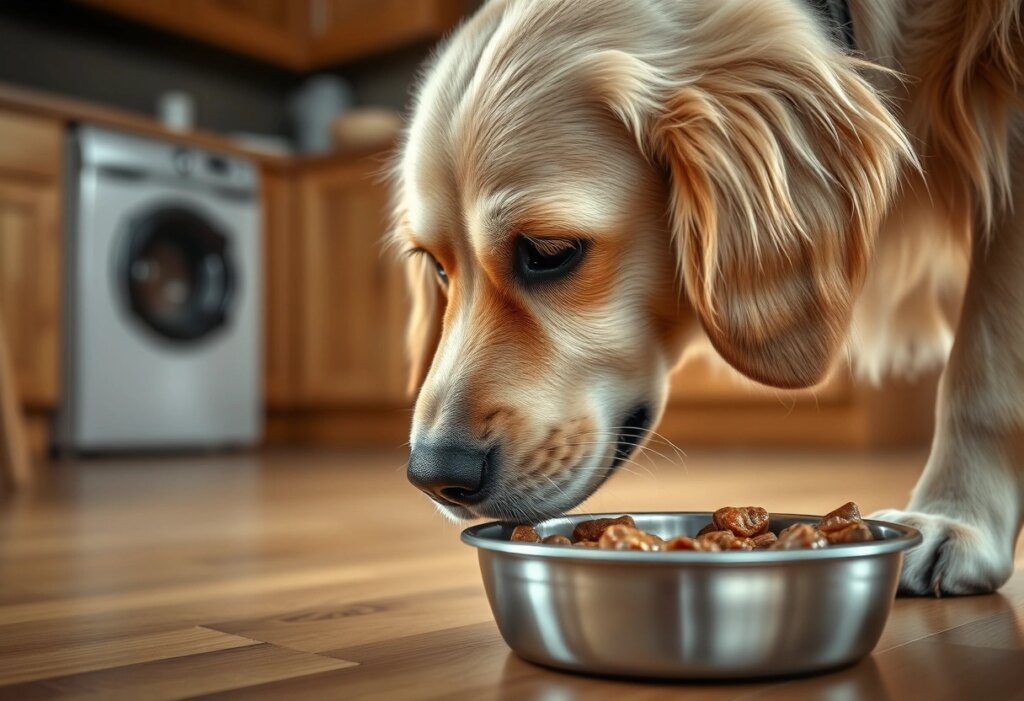

Wet dog food for seniors is often the single most effective intervention when an aging Golden Retriever suddenly starts turning her nose up at mealtime, and understanding why she’s refusing food matters just as much as what you put in the bowl. Appetite loss in geriatric dogs is rarely about stubbornness. It’s a behavioral output driven by measurable sensory and physiological decline, and treating it as a training problem instead of a biological one is the most common mistake I see owners make.
Why Senior Golden Retrievers Stop Eating: Behavioral vs. Medical Roots
When a Golden Retriever who once inhaled her food starts sniffing it and walking away, owners tend to assume it’s pickiness. The data doesn’t support that interpretation in most geriatric cases. Appetite is a chained behavior sequence: detect food, orient toward it, approach, consume. Break any link in that chain and you get what looks like “refusal” but is functionally a sensory or pain-driven avoidance response.
Three mechanisms dominate in aging dogs. First, olfactory and gustatory receptor density declines with age, meaning food simply smells and tastes weaker than it used to. Second, dental disease, from periodontal inflammation to fractured molars, makes chewing kibble aversive, so the dog associates the food bowl itself with discomfort. Third, nausea secondary to comorbid conditions such as chronic kidney disease, pancreatitis, or liver dysfunction suppresses the hunger drive at the hypothalamic level, independent of how appealing the food is. These are not competing explanations. In many senior Goldens, all three are operating simultaneously, which is why a single fix (like switching brands) often produces only partial improvement.
The Physiology of Anorexia in Geriatric Dogs
The sensory piece is well documented. A 2011 study published in the Journal of Veterinary Internal Medicine found that reduced olfactory acuity in senior dogs correlated directly with decreased food-seeking behavior, meaning the dogs weren’t avoiding food out of choice, they simply weren’t detecting it as strongly as a cue worth acting on. This matters clinically because it reframes “picky eating” as a threshold problem. The food-seeking behavior circuit still exists. It just requires a stronger stimulus to trigger it.
This is precisely why wet dog food for seniors outperforms dry kibble for appetite recovery. Wet formulas release volatile aromatic compounds far more efficiently than dry kibble, which effectively raises the signal above a diminished sensory threshold. It’s not that senior dogs suddenly prefer a different texture out of comfort. It’s that you’re compensating for a measurable drop in sensory input by increasing stimulus intensity. Warming wet food a few degrees further amplifies this effect, since heat accelerates volatilization of those same aromatic molecules.
Comparative Breakdown: 5 Vet-Approved Wet Foods for Appetite Recovery
I evaluated these formulas against three functional criteria rather than marketing claims: protein bioavailability (how efficiently the amino acid profile supports lean mass in a dog with reduced digestive efficiency), caloric density (critical for dogs eating smaller volumes), and palatability enhancers (broths, gravies, or rendered fats that boost aromatic output). All are formulated to meet or exceed AAFCO senior/mature adult nutrient profiles.
| Product | Protein Bioavailability | Caloric Density | Palatability Enhancers | Best For | Price Tier |
|---|---|---|---|---|---|
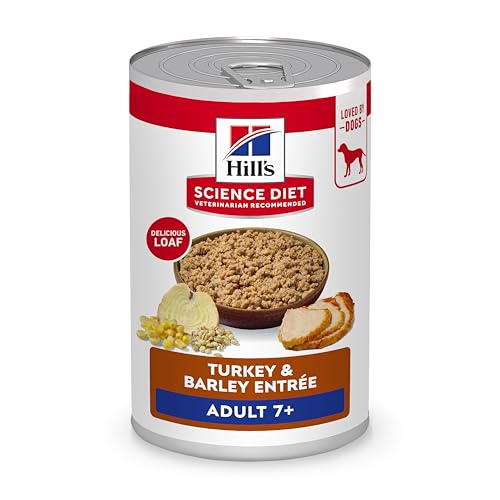
| Hill’s Science Diet Adult 7+ Wet Dog Food | High (clinically formulated) | Moderate | Savory broth base | Dogs with diagnosed organ-related dietary needs | $$$ |
| Nulo Freestyle Wet Dog Food Topper | High (animal-first ingredients) | Moderate-High | Strong aromatic topper, used to boost existing kibble | Transitioning reluctant eaters gradually | $$ |
| Open Farm Wet Stews, Grain Free | High (whole-food stew format) | High | Rich stew broth, visible protein chunks | Dogs needing strong olfactory stimulation | $$$ |
| Hill’s Science Diet Adult 7+ (warmed protocol) | High | Moderate | Enhanced when served at body temperature | Dogs with mild dental discomfort | $$$ |
| Open Farm + Nulo Topper Combination | High | High | Layered aroma profile | Severe appetite suppression cases | $$$$ |
The Hill’s Science Diet Adult 7+ Wet Dog Food is the formula I recommend as a baseline option for dogs whose appetite loss is layered on top of an existing organ-health concern, since it’s formulated with veterinary nutritionist input around senior-specific nutrient thresholds. It’s a mid-tier premium investment, not a budget pick, but the consistency of the formulation across batches matters when you’re trying to isolate whether a dietary change is actually working.
For dogs who aren’t refusing food entirely but are eating noticeably less volume, the Nulo Freestyle Puppy & Dog Wet Dog Food Topper functions well as a graduated intervention. Rather than fully replacing the existing kibble (which can trigger digestive upset in a geriatric gut), you’re layering a high-aroma stimulus on top of a familiar food, which reduces the risk of neophobia, or fear of novel stimuli, complicating the transition. This is a genuinely affordable option relative to full wet-food replacement.

- LAMB, MACKEREL, & KELP RECIPE – Nulo Freestyle Puppy & Dog Wet Food Toppers have no grains, artificial flavors, or prese…
- SUPPORTS LEAN MUSCLES AND HEART HEALTH – Our unique high-protein dog food mixer helps your pup maintain their strength a…
- RICH IN FLAVOR – These all-natural dog treats are a flavorful way to reward your four-legged friend for a job well done….
For more severe cases, where the dog is disengaging from the bowl entirely, I lean toward Open Farm’s Wet Stews, Grain Free Wet Dog Food. The stew format produces a stronger, more layered aromatic profile than a smooth pate, and the visible protein chunks provide textural variation that can re-engage food-seeking behavior in dogs who’ve partially habituated to a monotonous diet. It sits at a premium price point, but for a dog actively losing weight, the caloric density justifies the cost per feeding.

- Made with Animal Welfare Certified and Humanely Raised Chicken & Grass-Fed Beef as the first ingredients.
- Grain-free wet dog food with tender meaty chunks in savory gravy for a nutritious, crave-worthy meal or dog food topper.
- Complete and balanced wet dog food for adult dogs of all breeds; great for picky eaters and dogs with sensitive stomachs…
If your Golden’s appetite loss is tied to a breed-specific nutritional sensitivity rather than pure geriatric decline, it’s worth reviewing our Royal Canin Golden Retriever Formula Review for Senior Dogs for a breed-tailored comparison point.
A Practical Feeding Protocol: Antecedent Management for Appetite Recovery
Once you’ve selected a wet dog food for seniors that matches the dog’s medical profile, the delivery method matters almost as much as the formula itself. Antecedent management, meaning adjusting the environment and setup before the behavior (eating) is even requested, is where most owners leave easy gains on the table.
- Warm the food to approximately body temperature. This isn’t a comfort preference, it’s a functional intervention that increases aromatic volatilization, directly compensating for reduced olfactory acuity.
- Run a hand-feeding trial for the first few bites. Offering the first two or three morsels by hand lowers the threshold for approach behavior in a dog who’s become hesitant, and it gives you a controlled window to observe chewing for signs of oral pain.
- Reduce mealtime competition and noise. A senior dog with declining sensory processing is more easily overwhelmed by ambient stimuli. Feed in a quiet, low-traffic location, ideally at a consistent time to leverage anticipatory hunger cues.
- Split meals into smaller, more frequent portions. Three or four small meals reduce the volume-related aversion some geriatric dogs develop toward a large bowl of food.
- Elevate the bowl if joint pain is a factor. Dogs with cervical or thoracic limb arthritis may associate floor-level bowls with postural discomfort, which compounds appetite suppression independent of the food itself.
If joint discomfort appears to be part of the picture, whether from arthritis making it painful to stand over a bowl or general mobility decline, our Joint Pain Relief for Senior Dogs: A Vet-Backed Buyer’s Guide covers evidence-based interventions worth pairing with dietary changes.

Don’t count on a food switch alone to work miracles. If a dog’s appetite loss stems from unmanaged pain or organic disease, no amount of aromatic enhancement will fully restore normal eating behavior until the underlying medical driver is addressed.
When Appetite Loss Signals a Medical Emergency
Not every case of reduced eating is a sensory or behavioral issue that responds to wet dog food for seniors and feeding adjustments. According to a Banfield Pet Hospital State of Pet Health report, unexplained weight loss in senior dogs frequently precedes formal diagnosis of an underlying organic disease, meaning appetite decline often shows up on the scale before it shows up on bloodwork. This is a critical distinction: dietary intervention should follow, not replace, a veterinary workup.
I recommend baseline senior bloodwork (complete blood count, chemistry panel, urinalysis) before committing to a dietary overhaul if any of the following are present alongside reduced appetite: weight loss exceeding 10 percent of body weight over a few months, vomiting, lethargy disproportionate to normal aging, or noticeable bad breath suggesting kidney involvement. The American Kennel Club notes that gradual behavioral shifts in senior dogs are frequently misattributed to “just getting old” when they in fact reflect a treatable medical condition. Ruling out organic disease first prevents you from spending months troubleshooting a food formula when the actual driver is, for example, early kidney insufficiency requiring a therapeutic renal diet rather than a palatability fix.
Once medical causes are ruled out or actively managed, appetite loss becomes a genuinely behavioral and sensory problem, and this is where wet dog food for seniors, warming protocols, and antecedent management produce the most consistent results. Cognitive engagement also plays a role here. Dogs experiencing early cognitive decline sometimes show reduced interest in food simply because their overall arousal and engagement with the environment has dropped, and pairing mealtime with light mental stimulation from our Best Toys & Enrichment for a High-Energy Senior Dog guide can indirectly support appetite by increasing general activation.
Building a Realistic Recovery Timeline
Owners often expect appetite to normalize within a day or two of switching to wet dog food for seniors. In practice, sensory-driven food aversions can take one to two weeks of consistent, low-stress exposure to fully resolve, particularly if the dog developed a mild food aversion during a prior illness. Track intake in actual measured amounts, not visual estimates, since owners consistently overestimate how much a picky eater is consuming. If there’s no measurable improvement in caloric intake after 10 to 14 days of a well-executed protocol, that’s your signal to loop back to your veterinarian rather than continuing to cycle through different wet dog food for seniors options indefinitely.
Frequently Asked Questions
Why has my senior Golden Retriever suddenly stopped eating her food?
Sudden appetite loss in an aging Golden Retriever usually traces back to one of three causes: reduced smell and taste sensitivity, dental pain making chewing uncomfortable, or nausea from an underlying condition such as kidney or liver disease. Wet dog food for seniors often helps with the sensory component, but a veterinary exam is the right first step if the change was abrupt.
Is wet dog food for seniors actually better than dry kibble for picky eaters?
For dogs with age-related sensory decline, yes. Wet formulas release aromatic compounds more readily than dry kibble, which helps compensate for a diminished sense of smell. Warming the food further increases that aromatic output, making it easier for the dog to detect and engage with the meal.
How long should I try a new food before giving up on it?
Give any new wet dog food for seniors 10 to 14 days of consistent, low-stress exposure before concluding it isn’t working. Measure actual intake rather than relying on visual estimates, since gradual improvement is easy to miss if you’re only glancing at the bowl.
When should I take my senior dog to the vet for appetite loss instead of just changing food?
See your veterinarian before making major dietary changes if appetite loss is paired with weight loss over 10 percent of body weight, vomiting, lethargy, or bad breath suggesting kidney involvement. Bloodwork should rule out organic disease first, since dietary fixes alone won’t resolve appetite suppression driven by an underlying medical condition.