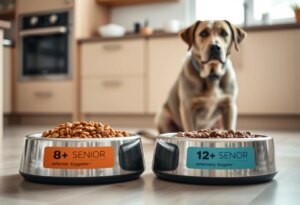
Reading a dog food label shouldn’t feel like decoding a legal contract, but here we are. If you’re standing in the aisle squinting at a bag of IAMS Healthy Aging wondering whether it’s actually good for your gray-muzzled best friend or just dressed up marketing, you’re asking exactly the right question. I’ve fed a lot of old dogs in my years running the sanctuary, and I can tell you this: the ingredient panel matters more once a dog hits their senior years than at almost any other stage of life. Their kidneys work harder. Their gut is less forgiving. Their joints are already asking for help. What goes into that bowl either supports all of that, or quietly works against it.
This isn’t about fear-mongering over dog food. It’s about learning to actually read what you’re buying instead of trusting a picture of a happy dog on the front of the bag. Let’s get into what really matters.
Why Ingredient Quality Matters More in Senior Dog Food
An aging body is not a young body wearing a worn coat. It’s a different machine entirely. Organ function slows. The liver and kidneys, which spent years filtering out whatever came their way without complaint, start needing more consideration. Digestion gets less efficient. Muscle mass declines on its own even in healthy seniors, a process called sarcopenia, and it accelerates when the diet isn’t pulling its weight.
This is why senior dog food ingredients deserve more scrutiny than the food you fed your dog at age three. A formula that was “fine” for a young, active dog can be genuinely inadequate, or even harmful, for a dog whose body is managing arthritis, early kidney changes, or a slowing metabolism.
I’ve watched dogs come into our care thin and dull-coated, not because anyone was cruel to them, but because nobody ever looked past the bag’s front label. That’s the quiet tragedy of senior dog nutrition. Nobody meant harm. They just didn’t know what to look for.
A dog’s golden years deserve gold-standard nutrition, not leftover formulas repackaged with a gentler-sounding name on the bag.
Breaking Down the IAMS Healthy Aging Formula
Let’s talk specifics. IAMS Healthy Aging formulas typically lean on chicken as a primary protein source, paired with grain inclusions like corn meal and ground whole grain sorghum, plus added glucosamine and chondroitin for joint support. On paper, that glucosamine/chondroitin inclusion is a genuinely good sign. Cartilage support matters enormously for a dog whose hips and knees have logged a decade or more of mileage.
Here’s something a lot of pet parents don’t realize: AAFCO, the organization that sets pet food nutrient standards, does not actually have an official “senior” life-stage nutrient profile. There’s “growth,” there’s “adult maintenance,” and there’s “all life stages.” That’s it. So when a bag says “Healthy Aging” or “Senior,” that’s a marketing category, not a regulated nutritional standard. Which means the burden falls entirely on you, the pet parent, to look past the label copy and actually evaluate what’s inside the bag. If you’re comparing IAMS specifically against other lines in that same family, our deeper breakdown on IAMS Healthy Aging dog food ingredients and formulation walks through the full nutrient panel in more detail.
When I evaluate any IAMS Healthy Aging product, I’m looking for named animal proteins in the first few ingredients, a reasonable fat percentage for aging metabolisms, and functional additions like omega-3 fatty acids for joint and cognitive support, not just filler starches doing the heavy lifting.

Red Flag Fillers and Byproducts to Watch For
Not every ingredient on a senior dog food label is created equal, and some genuinely deserve a second look before that bag comes home with you.
- Corn gluten meal listed high on the ingredient list, often used to inflate protein percentage without much biological value
- BHA and BHT, artificial preservatives with long-term safety questions that many holistic vets prefer to avoid entirely
- Unnamed “meat by-products” without species specification (this is different from named organ meats, which can actually be nutritious)
- Excessive plant protein stacking, where multiple pea or legume proteins are used to boost the guaranteed analysis without real animal-based amino acid quality
- Artificial colors, which serve zero nutritional purpose and exist purely so the kibble looks appealing to humans, not dogs (dogs genuinely do not care what color their food is)
Honestly, who thinks a dog cares if their kibble is dyed a certain shade of brown?? Our old dogs don’t need theatrics. They need substance. When I’m scanning a bag for our sanctuary crew, I skip right past the pretty packaging and go straight to ingredient number one through five. That’s where the truth lives.
For dogs managing kidney sensitivity or needing therapeutic-level protein adjustments, a veterinary-prescribed option like Blue Buffalo Natural Veterinary Diet Hydrolyzed Salmon Dry Dog Food can be worth discussing with your vet, especially for seniors with food sensitivities or digestive intolerances that standard senior formulas can’t resolve.
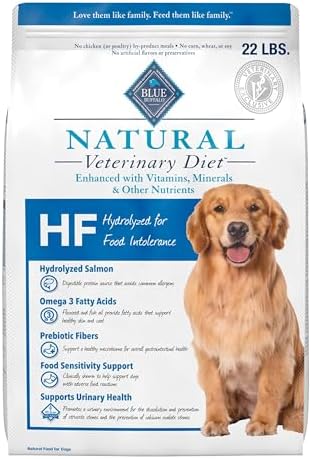
- REAL SALMON FIRST: This Blue Buffalo dry dog food is made with hydrolyzed salmon as the #1 ingredient
- VETERINARY-PRESCRIBED FORMULA: Formulated for dogs with special dietary needs, this dry dog food is packed with nutritio…
- FOOD INTOLERANCE SUPPORT: Prescription dog food formulated with hydrolyzed salmon, a readily digestible protein source, …
What Vets Actually Recommend for Aging Dogs
Here’s where things get genuinely interesting, and where a lot of outdated advice still circulates. For decades, the conventional wisdom was to restrict protein in senior dogs to “protect the kidneys.” Newer research pushes back hard against that idea for healthy seniors.
A 2011 study published in the Journal of Veterinary Internal Medicine found that aging dogs actually benefit from higher-quality protein, not restricted protein, to help combat sarcopenia, that natural age-related muscle loss I mentioned earlier. Restricting protein in a healthy senior dog without a diagnosed kidney condition can actually accelerate muscle wasting rather than prevent problems.
This is a meaningful distinction. Dogs with diagnosed kidney disease do need a vet-guided, often lower-phosphorus, moderated-protein diet. But a healthy 10-year-old Lab with sound kidney values doesn’t need to be starved of protein just because a bag says “senior.” Quality over quantity restriction, that’s the real takeaway here.
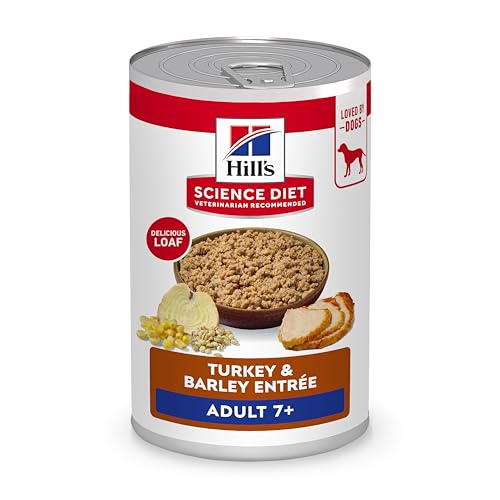
For dogs who need a gentler wet food option, especially those with dental issues or reduced appetite common in advanced age, Hill’s Science Diet Adult 7+ Wet Dog Food offers an easier-to-chew, palatable option that many picky senior eaters take to more readily than dry kibble alone.
If you’re weighing whether IAMS Healthy Aging is actually vet-endorsed or just cleverly marketed, our full breakdown on whether vets recommend IAMS for senior dogs gets into the specifics of clinical opinion versus brand positioning. It’s a good companion read before you commit to a bag long-term.
Comparing Senior Dog Food Options at a Glance
Sometimes it helps to see things side by side instead of reading paragraph after paragraph. Here’s a quick breakdown of how these formulas stack up on the qualities that matter most for aging dogs.

| Product | Best For | Key Ingredient Highlight | Price Tier |
|---|---|---|---|
| IAMS Healthy Aging | General senior maintenance, budget-conscious households | Chicken protein, glucosamine/chondroitin, added fiber | $$ |
| Blue Buffalo Natural Veterinary Diet Hydrolyzed Salmon | Seniors with food sensitivities or GI intolerance | Hydrolyzed protein for reduced allergic response | $$$$ |
| Hill’s Science Diet Adult 7+ Wet Dog Food | Seniors with dental issues or reduced appetite | Soft texture, balanced senior nutrient profile | $$$ |
| The Farmer’s Dog Human-Grade Crunchy Biscuits | Treats and training rewards without empty fillers | Human-grade beef, minimal processing | $$$ |
Even treats deserve the same scrutiny as the main meal. A lot of pet parents don’t think twice about biscuits, but fillers sneak in there too. The Farmer’s Dog Human-Grade Crunchy Dog Biscuits are a solid option if you want a treat that’s actually contributing something nutritionally instead of just being empty calories between meals.

- ALL-NATURAL DOG BISCUITS: The Farmer’s Dog Crunchy Biscuits are taking dog treats back to basics—with simple, all-natura…
- ALWAYS HUMAN-GRADE: Our dog treats are made to human-grade quality standards in the same facilities that make human food
- HEALTHY TREATS COMPLETE A HEALTHY DIET: Developed by On-Staff, Board-Certified Veterinary Nutritionists with just 9 calo…
And if your household has both a small senior pup and a large breed golden-ager, sizing matters too. Kibble size, calorie density, and joint support ratios genuinely differ by breed size, and our guide on senior dog food for small versus large breeds is worth a read before you buy in bulk.
Transitioning Your Senior Dog to a New Food Safely
Even the best IAMS Healthy Aging formula in the world will backfire if you switch too fast. Senior digestive systems are far less forgiving of abrupt change than a young dog’s gut. I’ve seen well-meaning owners swap foods overnight and end up with a week of diarrhea and a miserable, dehydrated dog. It’s avoidable.
Here’s the gentle transition schedule I use with every senior who comes through our sanctuary:
- Days 1-2: 75% old food, 25% new food
- Days 3-4: 50% old food, 50% new food
- Days 5-7: 25% old food, 75% new food
- Days 8-10: 100% new food, watching stool quality and appetite closely
If you notice loose stool, vomiting, or a sudden refusal to eat at any point, slow down and hold at the current ratio for a couple extra days before advancing. There’s no prize for rushing this. Your dog’s comfort is the only finish line that matters.
Also keep fresh water available at all times during the switch, and avoid adding any other new treats or supplements during this window. You want to isolate the variable so if something does upset their stomach, you know exactly what caused it.
A Final Thought Before You Buy
Choosing food for an aging dog is one of those quiet acts of love that nobody applauds you for, but your dog feels it every single day in their energy, their coat, their mobility. This is a sacred trust we take on when we bring these animals into our lives, and it doesn’t get smaller as they get older. If anything, it gets heavier, in the best way.
Take your time reading labels. Ask your vet direct questions. And trust that the extra five minutes you spend comparing ingredient panels today is time your senior dog will feel in their bones tomorrow, quite literally.
Is IAMS Healthy Aging actually good for senior dogs?
IAMS Healthy Aging can be a reasonable, budget-friendly option for generally healthy senior dogs, thanks to its inclusion of glucosamine and chondroitin for joint support. However, since there’s no official AAFCO senior nutrient standard, it’s worth comparing the ingredient panel against your dog’s specific health needs, especially if they have kidney concerns, allergies, or dental issues.
What are the most important senior dog food ingredients to look for?
Look for named animal proteins in the first few ingredients, added glucosamine and chondroitin for joints, omega-3 fatty acids for cognitive and skin health, and moderate, easily digestible fiber sources. Avoid excessive corn gluten meal, artificial preservatives like BHA, and vague “meat by-product” labeling without a named species.
Should senior dogs eat less protein to protect their kidneys?
Not unless your dog has a diagnosed kidney condition confirmed by your veterinarian. Research, including a 2011 study in the Journal of Veterinary Internal Medicine, found that healthy senior dogs actually benefit from higher-quality protein to help fight age-related muscle loss, rather than blanket protein restriction.
How long should I take to switch my senior dog to a new food?
Plan on a 7 to 10 day gradual transition, slowly increasing the ratio of new food while decreasing the old food. Rushing this process is one of the most common causes of GI upset in older dogs, so patience during the switch really does pay off.
Tell your pup I said Hi! — Dawn