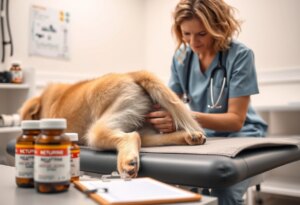


The best allergy medicine for dogs isn’t a one-size-fits-all answer, and if you’ve got an aging Golden Retriever scratching himself raw on the living room rug, I know how desperate you are for a straight answer right now. I’ve watched enough old dogs suffer through itchy, miserable seasons at the sanctuary to tell you this: what worked for your Golden at age three is not automatically safe or effective at age eleven. Their bodies change. Their skin changes. And the medicine cabinet solutions you remember from years ago deserve a second, harder look.
This is a sacred trust, taking care of an old dog’s comfort. So let’s talk honestly about Zyrtec, Benadryl, and what actually makes sense for a graying Golden who just wants to stop itching and go back to napping in a sunbeam.
Why Senior Goldens Get Hit Harder by Allergies
Golden Retrievers are already predisposed to skin sensitivities and environmental allergies as a breed. Add age into the mix, and things get more complicated. An aging immune system doesn’t regulate itself the way it used to. It overreacts to things it used to shrug off: pollen, dust mites, grass, even certain proteins in food they’ve eaten for years without issue.
On top of that, senior skin is thinner and slower to heal. A young dog might get a little itchy and bounce back in a day. An old dog can scratch a hot spot into an infection before you’ve even finished your coffee. That’s why finding the right allergy medicine for dogs matters so much more once your pup hits those golden years.
I always tell folks at the sanctuary: watch the whole dog, not just the itch. Is he also more tired than usual? Drinking more water? Losing fur in patches instead of just scratching? Allergies in senior dogs rarely show up in isolation. Their aging bodies are talking to you in more than one way, and it’s on us to listen.
Zyrtec vs Benadryl: What’s the Real Difference?
This is where most pet parents get stuck, and honestly, who thinks like that, expecting two totally different drugs to behave the same way just because they’re both “antihistamines”? They don’t.
Benadryl for dogs (diphenhydramine) is a first-generation antihistamine. It works fast, but it doesn’t stick around long, typically giving relief for about 6 to 8 hours according to veterinary pharmacology references like Plumb’s Veterinary Drug Handbook. It also crosses into the brain more easily, which is why sedation is such a common side effect. For some senior dogs, that drowsiness is actually helpful if anxiety is part of the itching cycle. For others, especially frail seniors, that level of sedation is a real concern.
Zyrtec for dogs (cetirizine) is a second-generation antihistamine. It tends to cause less sedation and offers closer to 24-hour relief, meaning fewer doses throughout the day. For a lot of senior dogs juggling multiple medications already, that simplicity is worth something.
Neither of these medications is inherently “better.” They’re different tools for different situations, and the right choice depends on your individual dog’s health picture, not a Google search result.
Here’s a side-by-side breakdown to help you see the practical differences at a glance:

| Feature | Zyrtec (Cetirizine) | Benadryl (Diphenhydramine) |
|---|---|---|
| Duration of Relief | Approximately 24 hours | Approximately 6-8 hours |
| Sedation Level | Generally mild | Moderate to strong |
| Dosing Frequency | Once daily (per vet guidance) | 2-3 times daily (per vet guidance) |
| Best Suited For | Chronic, ongoing itch management | Short-term flare-ups or travel anxiety overlap |
| Senior Dog Caution Level | Moderate, monitor kidney function | Higher, monitor for excess sedation |
| Price Tier | $ | $ |
Both medications are generally low-cost, budget-friendly options compared to prescription allergy treatments, which is part of why they’re so commonly reached for. But cheap and accessible doesn’t mean casual. This is still a drug going into an aging body.
Dosing Guidance By Weight (And Why Guessing Is Dangerous)
I want to be direct with you here, because this part matters more than almost anything else in this article. Dosing any allergy medicine for dogs should always be confirmed with your veterinarian first, based on your dog’s current weight, kidney function, and overall health. Not last year’s weight. Not what a stranger on a Facebook group said worked for their Lab.
The ASPCA Animal Poison Control Center fields thousands of calls every year related to accidental antihistamine overdoses in pets. Thousands. That number should stop you in your tracks. Many of these cases happen because someone measured out human-strength tablets without checking concentration, or gave a dose meant for a younger, heavier dog to a smaller, frailer senior.
A few things I’ve learned from years of caring for elderly dogs:
- Weight changes matter. Senior dogs often lose muscle mass even if the number on the scale looks stable. That shift affects how a drug distributes through the body.
- Combination products are a hidden danger. Some Benadryl and Zyrtec formulations include decongestants like pseudoephedrine, which can be toxic to dogs. Always use the plain, single-ingredient version.
- Liquid formulations can trick you. Concentration varies by brand. What looks like “just a little more” can actually be a meaningful overdose.
Please don’t dose from memory or guesswork. Call your vet, even just for a quick confirmation. Five minutes on the phone is worth more than a guessing game with your old dog’s health.
Senior-Specific Considerations: Kidneys, Liver, and Drug Interactions
Aging dogs are rarely dealing with just one thing. Your Golden might be on a joint supplement, maybe something for his heart, maybe an anti-inflammatory for stiff hips. Every one of those medications interacts with his kidneys and liver, which is exactly the machinery that has to process antihistamines too.
If your senior Golden already has reduced kidney or liver function (common in aging dogs), his body may clear these medications more slowly. That means effects, including sedation, can linger longer than expected or build up with repeated dosing. This is not the moment to freelance a dosing schedule.
You also need to watch for something called paradoxical excitation. It sounds rare, but it shows up more than people realize, especially in older or smaller dogs. Instead of feeling drowsy, the dog becomes agitated, restless, or unusually wired after taking an antihistamine. If you see that reaction, stop the medication and call your vet.
If your Golden is also managing joint pain alongside allergies, which is incredibly common in seniors, it’s worth understanding how anti-inflammatory medicine for dogs can interact with antihistamines before combining anything at home. Some combinations are perfectly fine under veterinary supervision. Others are not something you want to discover the hard way.

Supporting overall wellness with the right daily nutrition can also help their aging systems cope better with inflammation and immune responses. A quality senior multivitamin, like Vita-Tabs Silver for Senior Dogs, can be a gentle way to support overall vitality while you and your vet work through an allergy plan.

- Comprehensive Nutrition: Vita-Tabs provide a balanced blend of essential vitamins and minerals to support your dog’s ove…
- Immune System Support: Packed with antioxidants, these tabs help strengthen your dog’s immune system, promoting a robust…
- Healthy Coat and Skin: The inclusion of Omega-3 fatty acids contributes to a lustrous coat and healthy skin, ensuring yo…
When Itching Means Something More Than Allergies
Here’s a question I want you to sit with for a moment. Is your Golden’s itching actually seasonal allergies, or is it something quietly bigger?
Senior dogs can develop skin issues from thyroid imbalances, autoimmune conditions, chronic yeast or bacterial infections, and even certain cancers that mimic ordinary allergy symptoms. If your dog’s itching has changed pattern lately (worse at night, localized to one area, accompanied by hair loss, odor, or open sores) that is not a simple case to self-treat with over-the-counter dog allergy relief products.
Heavy shedding season can also confuse the picture, since increased hair loss sometimes gets mistaken for allergy-driven skin irritation. If you’re trying to tell the difference between normal seasonal shedding and something skin-related, our guide on high-shedding dogs can help you figure out what’s typical for a breed like the Golden versus what warrants a vet visit.
I’ve sat with enough old dogs at the sanctuary to know that persistent scratching wears them down in ways that go beyond the skin. It disrupts sleep. It raises stress. It chips away at quality of life quietly, day after day, until suddenly you look up and realize your dog hasn’t had a peaceful night in weeks. Please don’t let it go that long. If home remedies and over-the-counter antihistamines aren’t giving real relief within a few days, it’s time for bloodwork and a proper vet exam, not another round of guessing.
According to the ASPCA Animal Poison Control Center, prompt veterinary consultation is always the safest path when introducing any new medication to a senior pet, even common over-the-counter options.
Partnering With Your Vet Before Starting Any Regimen
I say this with love, but also with some fire in my chest: please stop treating your vet as the last resort instead of the first call. Before you reach for either Zyrtec or Benadryl, a quick conversation with your veterinarian can save you weeks of trial and error, and possibly save your dog from an unnecessary reaction.
Your vet knows your Golden’s full history. They know what other medications are already on board. They can run a quick check on kidney and liver values if it’s been a while. That kind of partnership is what real advocacy for an aging dog looks like. Not guessing in isolation, but building a plan together.
While you’re working through an allergy plan, keeping treats simple can help you track reactions more clearly. Something like Canine Cravers Single Ingredient Dog Treats removes a lot of the guesswork, since single-ingredient treats limit the chance of an unrelated food sensitivity muddying the picture.

- ALL NATURAL DOG TREATS: Your pets deserve the best! Our healthy dog treats are made using 1 simple human grade ingredien…
- TURKEY. ONLY TURKEY: Don’t let your dog eat preservatives, additives and by-products. Our protein rich Turkey strips are…
- DOGS & CATS LOVE IT: Our freshly made treats will leave your pup begging for more! The 100% natural ingredients provide …
And for the dogs who chew as a stress response during flare-ups (which happens more than people realize), a long-lasting, gentle chew like these Holiday collagen braids for dogs can offer a soothing distraction that doesn’t add sugar or unnecessary fillers into the mix.

- Limited Edition Rawhide Alternative Gingerbread Braids
- Superior Quality Ingredients: Made with real beef as the primary ingredient. These treats are completely free from dairy…
- Allergy-Friendly Treat: Our TruRanch 6″ Collagen Rolls cater to dogs with allergies or sensitivities. The formula is fre…
Choosing the right allergy medicine for dogs is rarely about finding a miracle fix. It’s about steady, informed care built alongside your veterinarian, with close attention to how your specific dog responds. Some seniors do beautifully on Zyrtec. Others need the shorter, more controllable window that Benadryl offers. There is no universal winner here, only what’s right for the dog in front of you.
Frequently Asked Questions
Can I give my senior Golden Retriever Benadryl every day for allergies?
Daily Benadryl use is possible for some dogs, but it should only be done under veterinary guidance, especially in seniors with existing kidney, liver, or heart conditions. Long-term sedation effects and drug interactions need to be monitored closely by your vet.
Is Zyrtec safer than Benadryl for older dogs?
Zyrtec tends to cause less sedation and requires less frequent dosing, which some pet parents find easier to manage in seniors. However, safety always depends on your dog’s individual health profile, so your vet should confirm which option fits best.
What are signs of an allergic reaction that needs emergency care?
Facial swelling, difficulty breathing, hives, sudden collapse, or vomiting after exposure to an allergen are emergency signs. These symptoms require immediate veterinary attention rather than at-home antihistamine treatment.
How do I know if my dog’s itching is allergies or something else?
Allergy-related itching is often seasonal, widespread, and responds somewhat to antihistamines. Itching linked to infections, thyroid issues, or skin masses tends to be localized, worsening, or accompanied by odor, hair loss, or sores. A vet exam is the only reliable way to tell the difference.
Watching an old dog scratch and not knowing exactly how to help is one of the hardest, most helpless feelings in this whole senior dog journey. But you showed up here looking for real answers, and that alone tells me everything about the kind of person your Golden is lucky to have. Keep asking questions. Keep calling your vet. Keep paying close attention. That quiet, steady advocacy is what dignity in aging actually looks like.
Tell your pup I said Hi! — Dawn