
Choosing the right dog arthritis medication is not a matter of picking whichever drug your vet mentions first. It is a risk-stratification exercise, and the data behind these three compounds, Galliprant, Rimadyl, and Meloxicam, tells a more nuanced story than most owners are given credit for understanding. As a behaviorist, I spend a lot of time looking at chronic pain through the lens of behavior change: the dog who stopped greeting you at the door, the one who snaps when a housemate brushes past a hip. That behavioral erosion is almost always downstream of an unmanaged inflammatory process, which is why picking the correct dog arthritis medication matters as much for quality of life as it does for lab values.
Epidemiology of Canine Osteoarthritis: A Chronically Underdiagnosed Condition
Here is where the misconceptions start. The VetCompass UK research led by Anderson and colleagues (2018) found osteoarthritis formally recorded in the clinical record of only about 2.5% of dogs. On its face, that number suggests OA is rare. It is not. Functional mobility studies using gait analysis and owner-reported mobility questionnaires estimate the true prevalence closer to 20 to 40% in dogs over age 8. The gap between those two figures is not a mystery. It reflects how OA presents behaviorally rather than dramatically. Dogs do not limp into the exam room announcing joint pain. They slow down on stairs, they hesitate before jumping into the car, they become more irritable during grooming or nail trims. Owners interpret this as “getting old” rather than “developing a treatable, progressive disease,” and clinicians working from a fifteen-minute appointment often do not catch it unless they specifically screen for it. This underdiagnosis has direct consequences for medication decisions, because a dog who has been silently compensating for OA for two years arrives at the pharmacological conversation already carrying secondary muscle atrophy and altered gait mechanics that no drug alone will reverse.
Mechanism of Action: Why Galliprant Is Not Just Another NSAID
Rimadyl (carprofen) and Meloxicam are both traditional nonsteroidal anti-inflammatory drugs that work by inhibiting cyclooxygenase enzymes, primarily COX-2, though neither is perfectly selective. COX-2 inhibition reduces the prostaglandins that drive inflammation and pain, but COX-1 and COX-2 both contribute to protective functions in the gut lining, kidney blood flow, and platelet function. Even “COX-2 preferential” drugs still exert some cross-reactivity with COX-1 at clinical doses, which is the biological basis for the GI and renal side effects both drugs are known for.
Galliprant (grapiprant) works through an entirely different mechanism. It is a first-in-class EP4 receptor antagonist. Instead of blocking prostaglandin production broadly, it blocks the specific EP4 receptor that mediates the pain and inflammation signal of PGE2, while leaving the other prostaglandin receptor pathways that protect gastric mucosa and renal perfusion largely undisturbed. In plain terms: traditional NSAIDs turn down prostaglandin production system-wide, while grapiprant intercepts one specific downstream signal. This is a meaningfully different pharmacological strategy, not just a marketing distinction, and it is the reason grapiprant’s safety profile diverges from carprofen and meloxicam in the data.
Comparative Safety Data: What the Trials Actually Show
The pivotal field study, Rausch-Derra et al. (2016), published in the Journal of Veterinary Internal Medicine and reviewed by the FDA during Galliprant’s approval process, found that dogs on grapiprant experienced significantly fewer gastrointestinal adverse events (vomiting, diarrhea, inappetence) compared to dogs on a traditional NSAID comparator. That is a well-controlled, FDA-reviewed result, and it is the strongest piece of evidence behind grapiprant’s reputation as the GI-gentler option.
The data is contradictory, however, once you move past GI tolerance into hepatic and renal risk. FDA Adverse Event reports for carprofen and meloxicam show a documented, if statistically uncommon, association with idiosyncratic hepatopathy, a rare but serious liver reaction that is not clearly dose-dependent and can occur even in dogs previously stable on the drug. Renal effects are more predictable and dose-related, tied to reduced renal blood flow when COX-mediated vasodilation is suppressed, which is why dehydration, concurrent kidney disease, or perioperative use raises risk substantially for all three drugs, including grapiprant to a lesser but non-zero degree. No compound here is risk-free. Grapiprant’s GI advantage is well-documented; it does not automatically confer superiority in a dog with primary renal or hepatic disease, where the calculus shifts.
“Don’t count on any single drug label to substitute for individualized risk assessment. The safest arthritis medication for a given dog is the one matched to that dog’s specific organ function and comorbidity profile, not the one with the best average safety statistics across a population.”
Comparative Overview: Galliprant vs Rimadyl vs Meloxicam
Below is a structured comparison to help frame the conversation with your veterinarian. This is not a ranking of “best to worst.” Each of these three drugs occupies a different niche depending on the dog’s medical history.
| Medication | Drug Class | Primary Mechanism | Documented GI Risk | Documented Renal/Hepatic Risk | Typical Use Case | Price Tier |
|---|---|---|---|---|---|---|
| Galliprant (grapiprant) | EP4 receptor antagonist (piprant class) | Blocks PGE2/EP4 pain signaling selectively | Lower in controlled trials (Rausch-Derra et al., 2016) | Present but less characterized; caution still warranted | Dogs with GI sensitivity or prior NSAID intolerance | $$$$ |
| Rimadyl (carprofen) | Traditional NSAID, COX-2 preferential | Broad COX-2 inhibition | Moderate; vomiting, ulceration reported | Rare idiosyncratic hepatopathy; dose-related renal risk | Long-established option, extensive vet familiarity | $$$ |
| Meloxicam | Traditional NSAID, COX-2 preferential | Broad COX-2 inhibition | Moderate; similar profile to carprofen | Renal risk with dehydration; rare hepatic reactions | Cost-effective long-term maintenance dosing | $$ |
Case-Profile Decision Framework: Matching the Drug to the Dog
Oversimplified “safest drug” claims fail dogs because they ignore individual physiology. Here is the protocol I recommend walking through with your veterinarian before starting or switching any dog arthritis medication:
- Screen renal function first. Request a baseline chemistry panel including BUN, creatinine, and a urinalysis with specific gravity. Dogs with subclinical chronic kidney disease are poor candidates for any drug that reduces renal prostaglandin-mediated blood flow, which affects carprofen and meloxicam more directly than grapiprant.
- Review GI history. A dog with a documented history of ulceration, chronic vomiting, or inflammatory bowel disease is a stronger candidate for grapiprant given the comparative trial data, though gastroprotectants may still be warranted during any NSAID trial.
- Evaluate hepatic markers. ALT and ALP should be checked at baseline. A dog with pre-existing liver compromise warrants closer monitoring intervals regardless of which drug is chosen, since idiosyncratic hepatopathy is not reliably predicted by dose or duration.
- Audit concurrent medications. Corticosteroids should never be combined with any NSAID due to compounded GI ulceration risk. Review whether the dog is on ACE inhibitors or diuretics, which alter renal hemodynamics and interact with NSAID mechanisms.
- Consider mechanical load and mobility support concurrently. Medication addresses inflammation, but joint stability devices reduce the mechanical stress that triggers inflammatory flares in the first place. For dogs with hip-focused arthritis, a product like the Healthy Breeds Z-Flex Hip Brace can reduce joint strain during walks and lower the total inflammatory burden the medication has to manage.
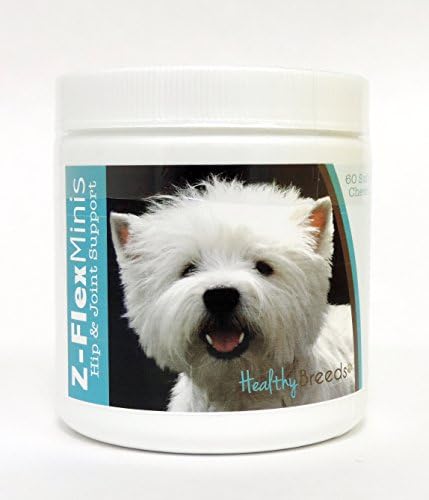
- Z Flex Minis is our small dog formula and Z Flex Max is our large dog formula
- Perfect tasty blend of Glucosamine, Chondroitin, Perna Canaliculus, and Omega-3 Fatty Acids. Dogs love the taste. They t…
- Supports the joints of working, older and active dogs. Helps to upkeep joint mobility, flexibility and healthy bone stru…
For dogs whose arthritis pain has a strong spinal or IVDD component alongside limb involvement, medication alone rarely resolves the functional deficit. A supportive brace such as the Labra Dog K9 Back Brace can reduce spinal loading during activity, which behaviorally translates into a dog more willing to move, engage, and maintain the muscle tone that protects joints long-term. This matters because a sedentary dog on the correct dog arthritis medication can still decline functionally if pain avoidance has already produced disuse atrophy.

- Real Support for Your Dog – Our unique mechanism uses 5 hidden metal springs aligned along the spine to help your dog su…
- Completely Adjustable – Our adjustable strap stays snug and comfortable around your dog, keeping the brace in place and …
- Help Them Heal – Whether you’re choosing an active recovery route or surgery, our braces are an excellent option that wi…
Owners frequently ask whether nutraceutical support can substitute for pharmaceutical intervention entirely. The honest answer, grounded in the current evidence base, is that supplements play a supporting role but rarely replace an NSAID’s anti-inflammatory effect during an active flare. Our full breakdown of natural arthritis remedies for dogs covers which adjuncts have credible supporting data and which are largely anecdotal. Owners weighing over-the-counter options before committing to a prescription dog arthritis medication should also review our vet-reviewed OTC arthritis medicine guide for context on what is actually safe to try under veterinary guidance.

Monitoring and Owner Protocol: Evidence-Based Vigilance, Not Fear
Framing this as vigilance rather than fear matters behaviorally. A dog whose owner is anxiously scanning for disaster every single day tends to pick up on that tension, and chronic pain patients are already prone to increased reactivity. A structured monitoring schedule keeps you objective and reduces unnecessary worry between checkpoints.
- Baseline (before starting any NSAID): Full chemistry panel, CBC, urinalysis. This is non-negotiable regardless of which of the three drugs is selected.
- 2-week recheck: Repeat chemistry panel focused on liver enzymes and renal values, plus a direct owner interview about appetite, stool consistency, water intake, and energy level.
- Quarterly panels thereafter: Ongoing chemistry monitoring for the duration of treatment, since idiosyncratic reactions can emerge months into therapy even after an unremarkable start.
- Daily owner observation: Watch specifically for vomiting, black or tarry stool, increased or decreased water consumption, yellowing of the gums or eyes (jaundice), and any behavioral withdrawal that exceeds the dog’s baseline arthritis presentation.
If any of these signs appear, discontinue the dog arthritis medication and contact your veterinarian the same day rather than waiting for the next scheduled panel. Early detection of an adverse reaction is almost always manageable; delayed detection is where outcomes worsen. For dogs managing a forelimb component of their arthritis alongside a hip or spinal issue, a supplementary Labra Dog Front Leg Brace can offload stress from an already inflamed joint while the medication takes effect, buying time without increasing dosage prematurely.
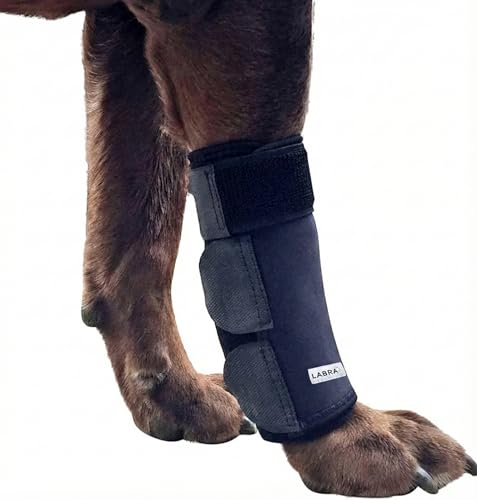
- Protects Against Hot Spots, Lick Granulomas, and Pressure Sores: Provides targeted relief for painful hot spots, lick gr…
- Premium Materials – Made from 3mm neoprene, our brace wrap is breathable, elastic, and enjoyable, ensuring your dog’s co…
- Joint Health – Our brace provides extra support on your dog’s front legs, allowing them to stay healthy and support thei…
According to the American Veterinary Medical Association, osteoarthritis management in dogs is most effective when pharmaceutical therapy is combined with weight management, controlled exercise, and environmental modification rather than relying on medication in isolation. That multi-pronged framing lines up with what I see clinically: the dogs who do best are not simply the ones on the “right” drug, they are the ones whose entire environment and activity plan was adjusted alongside the prescription.
Behavioral changes tied to chronic pain also intersect with anxiety presentations more often than owners expect. A dog in persistent discomfort may develop noise sensitivity or increased vocalization that gets misread as a standalone anxiety disorder. If your senior dog’s barking or restlessness has increased alongside mobility decline, it is worth reading our comparison of calming vests versus anxiety chews for senior dog barking before assuming the two issues are unrelated.
None of the three options reviewed here, Galliprant, Rimadyl, or Meloxicam, deserves a blanket label of “safest.” Each carries a distinct risk profile shaped by mechanism, and the correct dog arthritis medication for your dog depends on renal, hepatic, and gastrointestinal history more than on brand reputation. Work through the baseline panel, match the drug to the comorbidity profile, and commit to the monitoring schedule. That process, not the drug label alone, is what actually protects your dog.
Frequently Asked Questions
Is Galliprant safer than Rimadyl for long-term use?
Galliprant has demonstrated a lower rate of gastrointestinal adverse events in controlled trials compared to traditional NSAIDs like Rimadyl, based on the FDA-reviewed Rausch-Derra et al. (2016) field study. However, “safer” depends on the individual dog’s organ function. A dog with normal GI history but early kidney disease may not see a clear advantage from grapiprant over a carefully dosed traditional NSAID. Long-term use of any dog arthritis medication requires ongoing bloodwork regardless of which drug is chosen.
Can Meloxicam and Rimadyl be used together or switched frequently?
No. Meloxicam and Rimadyl are both traditional NSAIDs, and combining them significantly increases the risk of gastrointestinal ulceration without added pain relief benefit. Switching between NSAIDs requires a washout period recommended by your veterinarian to reduce overlapping risk. Never combine two NSAID-class dog arthritis medication products without direct veterinary supervision.
What are the early warning signs of an adverse reaction to arthritis medication?
Watch for vomiting, decreased appetite, black or tarry stool, increased or decreased thirst, lethargy beyond the dog’s baseline arthritis presentation, and yellowing of the gums or eyes. Any of these signs warrant discontinuing the medication and contacting your veterinarian promptly rather than waiting for a scheduled recheck.
How often should bloodwork be repeated once a dog starts arthritis medication?
A baseline panel should be run before starting treatment, followed by a recheck around two weeks in to catch early liver or kidney changes. After that, quarterly bloodwork is the standard evidence-based interval for ongoing monitoring, since idiosyncratic reactions can develop even after months of stable tolerance to a given dog arthritis medication.