
Anti-aging supplements for dogs aren’t a replacement for what Loyal is building with LOY-002, but they’re what we actually have in our hands right now, and for a lot of our old souls, right now is what matters. I get the emails every week. “Should I wait for the pill?” “Is anything real out there yet?” Honestly, I understand the hope tied up in that little pill. But my dogs at the sanctuary don’t have the luxury of waiting on FDA timelines. They need help today, in their creaky joints and foggy minds, and so do yours.
Let’s talk about what’s real, what’s hype, and what I’ve actually watched work on the old souls under my roof.
Why Waiting for LOY-002 Doesn’t Mean Doing Nothing
Loyal hit a real milestone back in 2023. The FDA granted them a Reasonable Expectation of Effectiveness determination for LOY-002, their drug aimed at extending lifespan in large and giant breed dogs. That’s genuinely exciting news, and I don’t want to undersell it. It means the agency looked at their data and said, essentially, “this has a real shot.” But a Reasonable Expectation of Effectiveness isn’t the same as a bottle on your pharmacy shelf. There’s still a road ahead: safety data, manufacturing approval, full licensing. If you want the details on where things stand, I wrote about the LOY-002 anti-aging pill release timeline and pricing and it’s worth a read if you’re tracking this closely.
Here’s what I want you to sit with for a second: your dog’s golden years are happening right now, not on a pharmaceutical company’s release schedule. My old girl Ruthie didn’t have years to spare waiting on approvals. None of my sanctuary dogs do. So while we watch Loyal’s progress with real hope, we build a foundation today with things that are already vet-reviewed, already on shelves, and already backed by research. That’s not settling. That’s advocacy.
Aging isn’t a problem to fix. It’s a season to support. Our job isn’t to stop the clock, it’s to make every tick of it gentler.
NAD+, Oxidative Stress, and the Aging Canine Brain
Let’s get into the science for a minute, because I think pet parents deserve more than vague marketing copy on a supplement label. As dogs age, their cells accumulate oxidative damage. Think of it like rust building up quietly inside the body, cell by cell, year by year. This oxidative stress is heavily implicated in canine cognitive dysfunction, what a lot of us just call “dog dementia.”
Researchers Norton Milgram and colleagues, building on work that connects to broader aging studies out of institutions like UC Irvine, found that senior dogs given antioxidant-fortified diets and behavioral enrichment showed measurably better performance on cognitive tasks compared to dogs on standard diets. That’s not a small thing. That’s real, replicated data showing the brain can respond to support, even in old age.
NAD+ boosters are the newer frontier here, and this is actually part of what makes LOY-002 so interesting on a mechanistic level. NAD+ is a coenzyme your dog’s cells need for energy production and DNA repair, and levels naturally decline with age. Some canine antioxidant supplements now include NAD+ precursors alongside more established ingredients. I’ll be honest with you: the direct-to-consumer NAD+ dog products are still catching up to the human research. I’d rather see you invest in the things we already know move the needle, and layer newer options in cautiously with your vet’s blessing.

What This Looks Like for Senior Dog Longevity Supplements Day to Day
At Woody’s Place, this means diets rich in antioxidants (blueberries, spinach in moderation, quality fish oil), regular gentle mental enrichment like snuffle mats and short new-scent walks, and bloodwork every six months so we’re not guessing. Watching an old dog’s eyes get a little brighter after a few weeks of consistent antioxidant support is one of the quiet joys of this work.
Omega-3s: The Joint and Brain Crossover Nobody Talks About Enough
If I had to pick one category of anti-aging supplements for dogs that I’d never run the sanctuary without, it’s omega-3 fatty acids. EPA and DHA aren’t just “good for shiny coats,” despite what a lot of pet store shelves would have you believe.
A 2012 study looking at senior dogs supplemented with EPA/DHA found measurable improvements in mobility and weight-bearing scores within just six weeks. Six weeks. That’s a short window for a visible change in dogs who are stiff getting up from the floor. Omega-3s work by reducing inflammatory markers in the joints, and there’s growing evidence they support cognitive function too, since DHA is a major structural component of brain tissue.
This is exactly why fish oil sits in my daily supplement rotation for nearly every senior dog in my care. I’ve had good results with Fish Oil for Dogs Supplement 120 Bacon Chews, mostly because my picky old souls actually eat them without a fight, which matters more than any label claim if your dog spits the pill across the kitchen floor.

- Bacon Flavor Dogs Love – Our omega 3 fish oil for dogs comes in bite-sized chewable tablets that taste like bacon treats…
- Fast Itch & Skin Relief – Our dog skin and coat supplement delivers 300mg omega-3 fatty acids (EPA & DHA) per chew for r…
- Healthy Coat & Less Shedding – This omega 3-6-9 for dogs formula helps reduce excessive shedding while promoting a soft,…
If your dog’s mobility is further along in decline, omega-3s work best as part of a broader plan. I’d encourage you to also read up on the best over-the-counter arthritis medicine for dogs so you have the full picture of what’s available beyond supplements alone.
Curcumin, Ashwagandha, and Sorting Real Science from Marketing Noise
This is where I get a little protective, honestly. The supplement aisle is full of adaptogens with big promises and thin research behind them. Let’s sort through it.
Curcumin (the active compound in turmeric) has decent evidence behind it as an anti-inflammatory, particularly for joint support. The catch is bioavailability. Plain turmeric powder sprinkled on food is mostly wasted; your dog’s body can’t absorb much of it that way. Look for formulations with black pepper extract (piperine) or a lipid-based delivery system if you want it to actually do something.
Ashwagandha is more of a mixed bag. There’s promising research in human and rodent models for stress reduction and adrenal support, but canine-specific studies are thinner on the ground. I’m not against it, but I’d file it under “cautiously promising” rather than “proven.” If your vet is on board and your dog doesn’t have any adrenal or thyroid conditions, a small trial run is reasonable.

Nutrition is the quiet backbone underneath all of this. Whole-food-based diets with clean, minimally processed protein give these supplements something real to work with. I’ve had good experiences rotating in ZEAL Canada Air-Dried Chicken Recipe for Dogs for my seniors with sensitive stomachs, since air-dried preparation retains more nutrients than heavily processed kibble while still being gentle on aging digestive systems.
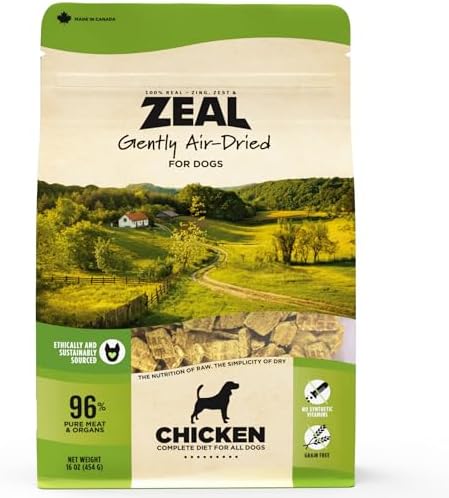
- 96% Free-Range Chicken and Organs for Optimal Health: Made with free-range chicken, liver, gizzard, and heart, providing…
- Natural and Organic Superfoods for Complete Wellness: Enriched with ethically sourced green-lipped mussels for joint sup…
- Air-Dried to Retain Nutrients Naturally: Our gentle air-drying process locks in all the nutrients without synthetic addi…
What I won’t do is tell you every trending ingredient is worth your money or your dog’s tolerance. Skin and coat serums formulated for humans, for instance, like resurfacing peptide serums such as Olay Serums AHA + Peptide 24 Resurfacing Serum, are built for human skin chemistry and pH, not canine skin. I mention it only because pet parents sometimes ask if “anti-aging” skincare crosses over to dogs. It doesn’t, and I wouldn’t apply it to a dog’s coat or skin without direct vet guidance, since canine skin has a different pH balance entirely.
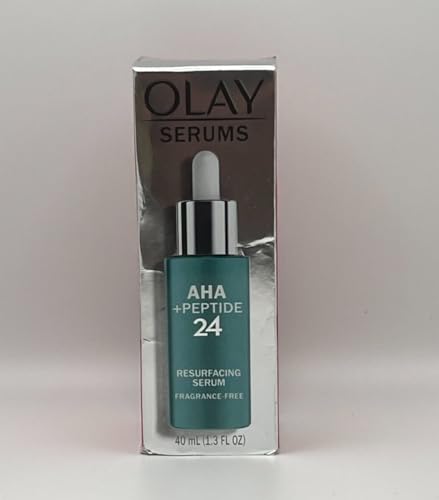
- AHA + PEPTIDE 24: This resurfacing serum provides gentle exfoliation and more even skin texture
- GENTLE REFRESH: Ultra-lightweight resurfacing serum formula absorbs quickly and glides under makeup, leaving no greasy r…
- RENEWING FORMULA: Chemically exfoliates to renew skins surface cells for visibly more even improved skin texture
Comparing the Top Anti-Aging Supplements for Dogs
Here’s a quick side-by-side of where these categories stand, so you can see the tradeoffs at a glance before talking to your vet.
| Supplement Type | Best For | Evidence Strength | Onset Time | Price Tier |
|---|---|---|---|---|
| Omega-3 Fish Oil (EPA/DHA) | Joint mobility, cognitive support | Strong (clinical studies) | ~6 weeks | $$ |
| Curcumin (with piperine) | Inflammation, joint comfort | Moderate to strong | 4-8 weeks | $$$ |
| NAD+ Precursor Blends | Cellular energy, emerging longevity support | Early/developing | Unclear, likely months | $$$$ |
| Ashwagandha | Stress response, adrenal support | Limited canine-specific data | Variable | $$ |
| Whole-Food Air-Dried Diets | Overall nutrition foundation | Strong (nutritional science) | Ongoing/foundational | $$$ |
Introducing Any New Supplement Slowly, and What I’ve Watched Actually Work
Here’s my hard rule, earned through years of trial and error with fragile senior bodies: never introduce more than one new supplement at a time. Give it two to three weeks. Watch stool quality, energy, appetite, and skin. Then, and only then, consider adding another.
Old dogs don’t process things like they did at three years old. Their kidneys and livers are doing more work with less reserve. This is non-negotiable for me:
- Get baseline bloodwork before starting anything new, especially if your dog has kidney, liver, or thyroid concerns
- Recheck bloodwork every 3 to 6 months once on a supplement routine
- Start at the lowest recommended dose, even if the label suggests a range based on weight
- Keep a simple daily log of appetite, mobility, and mood so you can actually see patterns instead of guessing from memory
Some pet parents ask me about newer prescription anti-aging options too, and I think that’s a fair question given how much buzz is out there. I’d point you toward what I’ve written on anti-aging dog pill side effects and safety considerations before adding anything prescription-based into the mix, since combining supplements with new medications is exactly the kind of thing your vet needs to weigh in on directly.
At the sanctuary, the honest truth is this: omega-3s and quality whole-food nutrition have been the most consistent, visible wins across nearly every old soul who’s passed through here. Curcumin has helped several of my arthritic dogs noticeably. The newer NAD+ and adaptogen products are ones I watch with cautious curiosity, not blind faith. I’d rather you spend your money on what’s proven and layer in the newer science slowly, with your vet as your partner.
For a broader look at how oxidative stress and cellular aging affect mammals generally, the National Center for Biotechnology Information maintains a substantial library of peer-reviewed research if you want to go deeper on the science yourself.
Frequently Asked Questions
Are anti-aging supplements for dogs actually proven to extend lifespan?
Not in the way a drug like LOY-002 aims to. Current anti-aging supplements for dogs are better understood as quality-of-life tools that reduce inflammation, support joints, and may slow cognitive decline, rather than proven lifespan-extension treatments. The science on longevity extension specifically is still developing.
How long should I wait to see results from senior dog longevity supplements?
Omega-3s tend to show mobility improvements within about six weeks based on published research. Curcumin and other joint-support ingredients often take four to eight weeks. Newer NAD+ or adaptogen products don’t have a well-established timeline yet, so patience and careful observation matter more than rushing to judge results.
Can I give my senior dog multiple anti-aging supplements at once?
I’d strongly advise against starting multiple supplements simultaneously, especially in older dogs with reduced kidney or liver reserve. Introduce one at a time over two to three weeks so you can actually track how your dog responds, and always run new additions past your vet, particularly if your dog is on existing medications.
Is NAD+ for dogs worth trying right now?
NAD+ precursor supplements are an emerging category with promising cellular biology behind them, but canine-specific clinical data is still limited compared to the strong evidence base for omega-3s and curcumin. It’s reasonable to try under veterinary guidance, but I wouldn’t replace proven basics like fish oil and quality nutrition with it.
I know how heavy this season can feel, watching your old friend move a little slower each month. But heavy doesn’t mean hopeless. Small, consistent, well-chosen support adds up to real comfort, real dignity, more good days. That’s the whole point of this work, and it’s why I keep showing up for it every single day at Woody’s Place.
Tell your pup I said Hi! — Dawn