
Enrichment toys for senior dogs can make the difference between a household in chaos and a household where your old soul actually gets to keep his peace when a bouncy new puppy shows up. I’ve watched this play out more times than I can count at the sanctuary, and I can tell you straight: the toy isn’t a gimmick. It’s a tool. Used right, it gives your senior something to focus on besides the small tornado that just moved into his living room.
Let’s talk about why this matters so much, and what actually works.
Why a New Puppy Can Send Your Senior Dog’s Stress Through the Roof
Here’s something a lot of well-meaning families don’t realize until it’s already happening: introducing a puppy is a legitimate stress event for an older dog’s body, not just his mood. Research referenced by the American College of Veterinary Behaviorists points to measurable cortisol elevation in dogs facing new social pressure, and that stress response hits harder in animals who are already managing arthritis, vision loss, or hearing decline. Your senior isn’t being “grumpy” for no reason. He’s overstimulated, sore, and trying to process a fast-moving creature he can’t always see or hear coming.
Think about how disorienting that is. Imagine your joints ache every morning, your hearing has faded, and suddenly there’s a puppy launching itself at your face for the fortieth time before breakfast. That’s not a minor annoyance. That’s a nervous system under siege.
This is exactly why enrichment toys for senior dogs deserve a real spot in your introduction plan, not an afterthought. They’re not a distraction toy in the throwaway sense. They’re a coping tool.
What This Actually Looks Like at Woody’s Place
I’ll be honest with you. When a new foster puppy arrives at the sanctuary and one of my old souls is already navigating hip dysplasia or fading eyesight, I don’t do the “let them work it out” approach. I never have. That’s how trust gets broken, and once it’s broken, it takes months to rebuild.
What I do instead is quiet. Boring, even, by design. The senior gets his own resting space, untouched by puppy energy, with something to occupy his nose and his mind. The puppy gets supervised time elsewhere. And the two of them meet each other’s scent long before they meet each other’s faces.
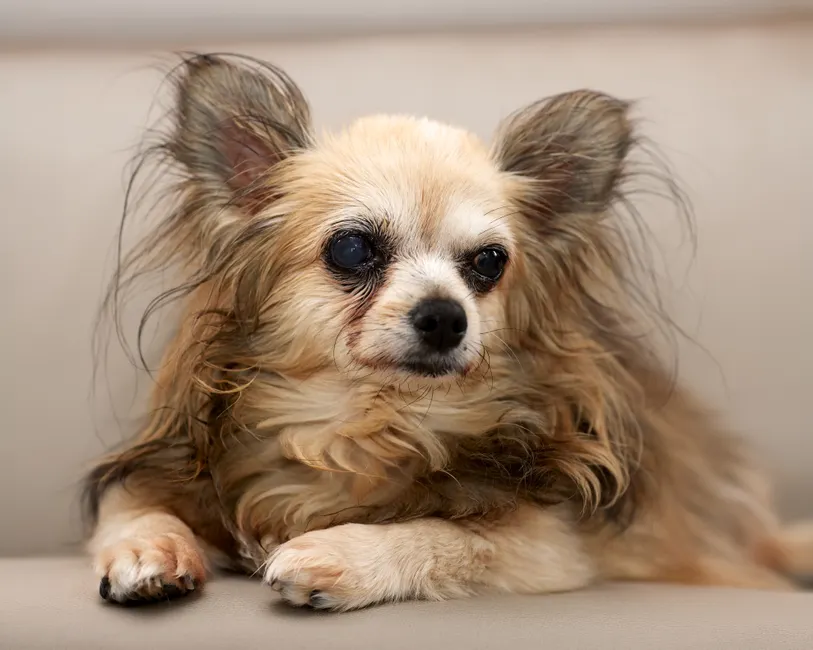
Honestly, who thinks forcing a twelve-year-old body to “just get used to it” is a fair ask? This is a sacred trust. Our elders gave us their whole lives. The least we owe them is a slow, respectful introduction instead of chaos dumped on their doorstep.
Quiet enrichment gives the senior dog a job. A calm, low-stakes job that isn’t “manage the puppy.” That’s the whole point.
Best Calming Enrichment Toys, Broken Down by Category
Not every toy serves the same purpose here. Some are for nosework and calming the mind. Some are for soothing sore joints while your dog stays engaged. Here’s how I sort them.
- Snuffle mats tap into a dog’s natural foraging instinct. The slow, repetitive sniffing lowers arousal and gives an anxious senior something productive to do with his nervous energy.
- Slow-feeder puzzles turn mealtime into a calming ritual instead of a race, which matters even more when a puppy is underfoot and mealtime tension is already high.
- Licking mats with frozen bone broth trigger a natural licking response that’s genuinely soothing, almost meditative, for a stressed dog.
- Soft plush “anchor” toys give your senior something familiar to hold onto, literally and emotionally, while the household adjusts to new energy.
For seniors dealing with arthritis or neck stiffness, mealtime posture matters more than people think. A Tilted Feeding Design raised bowl stand can ease strain on aging joints while your dog works through a slow, calming feeding routine, which is especially helpful during a stretch when everything else in the house feels unpredictable.

- 【package includes】This elevated dog bowl set includes a three-height adjustable dog stand, an 8.5 x 16.5-inch non-slip m…
- 【15° Tilted Elevated Bowls】Veterinary-designed dog bowls elevated feature a 15° tilted feeding platform that aligns with…
- 【3-Height Adjustable Stand】Customize your raised dog bowl to 3 exact heights (4.9″/8.7″/12.4″)! This adjustable elevated…
If you’re also managing nutrition changes during this transition, our breakdown of Blue Buffalo senior dog food options for small breeds pairs well with slow-feeder tools, since diet and calm eating routines go hand in hand for aging bodies.
Interactive Toys That Give Your Senior a Job, Not Just a Distraction
Here’s where I get a little particular. Not every “interactive” toy is right for an older dog, and I don’t recommend anything that demands quick reflexes or sharp jumps in excitement. What I look for is something that rewards patience.
Treat-dispensing puzzles are gold here. They ask your senior to think, to problem-solve at his own pace, which is a far gentler ask than chasing a puppy off the couch for the tenth time. The Ubbi Kibbler Interactive Treat Dispensing Dog Toy is a good example of low-arousal engagement done right. It rolls slowly, dispenses gradually, and gives your dog a reason to stay parked in his own space instead of hovering anxiously near the puppy’s crate.
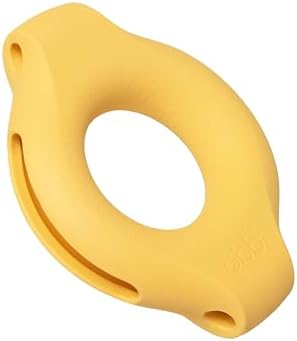
- TREAT DISPENSING DOG PUZZLE TOY: Designed with two-sided compartments to hold kibble, treats, or spreadable foods like p…
- DUAL STICK TREAT HOLDERS: Includes two built-in slots to securely hold dental sticks, chew treats, and bully sticks, pro…
- FREEZER SAFE & DISHWASHER SAFE: Freeze filled treats to create long-lasting “pupsicle” enrichment on hot days, then plac…
One category I’d approach with more caution is anything mimicking sudden movement or unpredictable sound, since some seniors with sensory decline can find that startling rather than soothing. That said, a few dogs actually respond well to rhythmic, predictable stimulation. The Fuzzwoof Remote Controlled Heartbeat Dog Toy can be useful in specific cases, particularly for a senior who’s grieving the loss of a longtime companion and needs a steady, heartbeat-like presence nearby. Introduce it slowly, watch his reaction closely, and stop immediately if he seems unsettled rather than comforted.

- WIRELESS REMOTE CONTROL – Easily control the heartbeat simulation and cycle through all 8 sounds. Perfect for adapting t…
- PUPPY SLEEP AID & ANXIETY SOLUTION – This puppy heartbeat toy sleep aid uses multi-sensory technology to ease crate trai…
- RECHARGEABLE, DURABLE & SAFE FOR DAILY USE – Features a long-lasting rechargeable polymer lithium battery (3.7V, Model: …
Comparing Your Options at a Glance
| Product | Best For | Key Feature | Price Tier |
|---|---|---|---|
| Tilted Feeding Design Raised Bowl Stand | Joint pain, arthritis, slow calm eating | Raised, tilted angle for easier neck posture | $$ |
| Ubbi Kibbler Interactive Treat Dispenser | Mental focus, self-soothing distraction | Slow-roll treat release, low arousal design | $$ |
| Fuzzwoof Remote Controlled Heartbeat Toy | Companionship comfort, grief transition | 8 sounds, rhythmic heartbeat simulation | $$$ |
The Cognitive Health Angle Nobody Talks About Enough
This part matters more than most families realize. Enrichment isn’t just about getting through a rough week of puppy chaos. Ongoing research through the Dog Aging Project, one of the largest studies of canine health in the country, has noted that regular enrichment activities may help slow cognitive decline in geriatric dogs. That’s not a small claim. That’s a real, science-backed reason to keep enrichment toys for senior dogs in daily rotation long after the puppy settles in.
A brain that’s gently working, sniffing, problem-solving, licking, that’s a brain that stays sharper longer. I’ve seen it firsthand in dogs at the sanctuary well into their double digits. The ones who stay engaged tend to hold onto themselves longer, if that makes sense. Their spark stays lit.

You can read more about the broader research through the American Kennel Club’s guidance on canine cognitive dysfunction, which lines up closely with what I see day to day in dogs who are given real mental stimulation versus dogs left idle.
A Gentle Step-by-Step Routine for Introductions
Slow is not a weakness here. Slow is the whole strategy. Here’s the routine I use, every single time, no exceptions.
- Separate resting spaces first. Your senior needs a room or crate area that’s entirely his, puppy-free, before anything else happens.
- Scent-swap before face-to-face meetings. Let the puppy sleep with a blanket, then move that blanket near your senior’s resting space, alongside his own calming dog toys, so he processes the new scent without pressure.
- Use enrichment during the actual introduction window. Give your senior a snuffle mat or licking mat right as the puppy enters the room, so his focus stays on his own calm task.
- Watch his body language closely. A stiff body, pinned ears, or a hard stare means it’s time to pause, not push through.
- End every session on a calm note. Always separate them again before either dog reaches their limit, not after.
If jealousy or resource guarding starts showing up during this process, our guide on enrichment toys to ease senior dog jealousy digs deeper into that specific behavior pattern and how to work through it with patience instead of correction.
Protecting Your Elder’s Peace While Welcoming New Life
Your senior dog has already given you years of loyalty, patience, and quiet devotion. Bringing a puppy into that picture isn’t wrong. New life in a home full of love is a beautiful thing. But it has to be done with real respect for the elder who came first.
Enrichment toys for senior dogs aren’t a small detail in this process. They’re one of the most compassionate tools you have. Give your old soul a job, a scent, a slow calming task, and you’ll watch him settle into this new chapter with far more dignity than if you’d just thrown the two dogs together and hoped for the best.
Ask yourself, honestly: is this introduction happening at his pace, or at yours?
Can enrichment toys really calm a senior dog during a puppy introduction?
Yes. Enrichment toys for senior dogs give an older dog a focused, low-stress task to engage with instead of fixating on a new puppy’s energy. Snuffle mats, licking mats, and slow-feeder puzzles all tap into calming instincts like sniffing and licking, which can measurably lower stress in the moment.
How long should I keep my senior dog and new puppy separated?
There’s no universal timeline. Some seniors adjust within a week of scent-swapping and short supervised meetings, while others, especially those with arthritis or sensory decline, may need several weeks of gradual exposure. Watch your dog’s body language rather than the calendar.
What are the best calming dog toys for a senior dog with arthritis?
Look for low-impact options like licking mats, raised feeding stands, and slow treat dispensers that don’t require jumping, twisting, or fast movement. These calming dog toys let arthritic seniors stay mentally engaged without straining sore joints.
Do senior dog puzzle toys actually help with cognitive decline?
Research from the Dog Aging Project suggests regular enrichment, including senior dog puzzle toys, may help slow cognitive decline in geriatric dogs. Consistent, gentle mental stimulation appears to support brain health well into a dog’s later years.
Give your old soul the slow, gentle introduction he deserves, and trust that his pace is the right pace. Tell your pup I said Hi! — Dawn