


Arthritis medication for senior dogs can be the difference between a dog who greets you at the door with a wagging tail and one who can’t quite get up off the floor to try. If you’ve watched your old dog stiffen up after a nap, hesitate at the stairs, or wince when they stand, you already know this isn’t a small thing. It’s their whole quality of life we’re talking about. So let’s get honest about what actually works, what vets rank highest, and what questions you need to be asking before you fill that first prescription.
I’ve sat on the floor of my sanctuary more nights than I can count, watching an old German Shepherd try to find a comfortable position for tired hips. Arthritis doesn’t wait for a convenient time. It creeps in slow, then all at once you realize your dog isn’t jumping on the couch anymore, isn’t racing to the fence line. That grief is real, even while they’re still right there with you. The American Veterinary Medical Association notes that osteoarthritis is one of the most common and most under-treated chronic conditions in aging dogs, and that tracks with everything I’ve lived through with my own pack.
Why This Conversation Matters More Than You Think
Here’s a number that should stop you in your tracks: over 80% of dogs over age 8 show signs of osteoarthritis, according to research referenced by the American College of Veterinary Surgeons. Eighty percent. That means the stiff old dog snoozing by your feet right now is far more likely than not carrying some level of joint pain, even if they’re not limping or crying out. Dogs are stoic. They don’t announce their pain the way we might expect. They just quietly do less. They sleep more, they hesitate before jumping into the car, they take the stairs one at a time instead of two. That’s not just “getting old.” That’s a body asking for help.
This is why arthritis medication for senior dogs deserves real attention, not a passive “let’s wait and see” from your vet or from you. Waiting means more pain, more muscle loss, and a harder road back. A proper canine osteoarthritis treatment plan started early can add real, comfortable years to your dog’s life.
Comfort is not a luxury for an aging dog. It’s the whole point of the years they have left. If your dog is hurting and nothing is being done about it, that’s not “just aging.” That’s a gap in their care, and it’s one you have the power to close.
How Vets Evaluate NSAIDs Like Carprofen, Meloxicam, and Grapiprant
Nonsteroidal anti-inflammatory drugs, or NSAIDs, are still the backbone of most dog joint pain relief protocols, and for good reason. They reduce inflammation and pain at the same time, which means your dog isn’t just numbed out, they’re actually healing the inflammatory cycle a little with each dose. But not all NSAIDs are ranked the same by the vets I’ve worked with over the years. Here’s how the most common options tend to stack up:

- Carprofen (Rimadyl) – One of the longest-standing options with decades of clinical use. Generally well tolerated, but liver values need watching, especially in Labradors, who show a slightly higher rate of idiosyncratic liver reactions.
- Meloxicam (Metacam) – Easy to dose, comes in a liquid form that’s simple for owners to administer, and works well for many dogs. Kidney function needs monitoring, particularly in dogs with any pre-existing renal concern.
- Grapiprant (Galliprant) – A newer class of drug that targets pain receptors more selectively, with a gentler profile on the gut and kidneys for some dogs, though it may be less potent for severe cases.
- Deracoxib (Deramaxx) – Strong anti-inflammatory action, often used post-surgically, but carries similar GI and kidney monitoring needs as carprofen.
If your dog is already on a related pain management protocol or you’re weighing newer injectable options against traditional NSAIDs, it’s worth reading up on Librela vs Rimadyl for dogs and which option is safer for your dog’s specific health picture. There’s no one-size-fits-all answer here, and that’s exactly why this needs to be a conversation with your vet, not a guess.
The Rise of Librela: A Different Kind of Arthritis Medication for Senior Dogs
Librela (bedinvetmab) changed the conversation when the FDA approved it in 2023. It’s a monthly injectable, not a daily pill, and it works completely differently than NSAIDs. Instead of targeting inflammation broadly, it’s a monoclonal antibody that blocks nerve growth factor (NGF), a protein directly involved in transmitting osteoarthritis pain signals. For dogs who can’t tolerate NSAIDs, whether from kidney issues, liver sensitivity, or GI upset, Librela has been a genuine relief. I’ve heard from other rescue and sanctuary folks whose dogs seemed to wake back up after starting it. Not cured, never cured, but noticeably more willing to move, more willing to engage. That said, it’s not without controversy. Some vets remain cautious, watching for rare but reported neurological side effects in a small subset of dogs. This is exactly why canine osteoarthritis treatment should never be a “set it and forget it” decision. Regular rechecks matter, always.
Bloodwork Monitoring: The Non-Negotiable Safety Net
I say this with love, but also with some fire: if your vet starts your dog on an NSAID without recommending baseline bloodwork first, that’s a red flag. Ask for it anyway. This is a sacred trust, this animal’s body in your hands, and it deserves that level of diligence. Before starting any NSAIDs for dogs, insist on:
- A baseline complete blood count (CBC) and chemistry panel to check liver and kidney values
- Recheck bloodwork at 2 to 4 weeks after starting the medication
- Ongoing monitoring every 3 to 6 months for dogs on long-term therapy
- Immediate vet contact if you notice vomiting, black stool, lethargy, or reduced appetite
Older dogs with any pre-existing kidney or liver compromise need extra caution here, and sometimes a lower dose or an alternative like grapiprant or Librela makes more sense. Honestly, who thinks it’s fine to just hand over a bottle of pills without a plan for follow-up testing?? That’s not medicine, that’s guesswork, and our old dogs deserve so much better than guesswork.

Building a Real Multimodal Pain Plan, Not Just a Pill
Medication alone is rarely the whole answer. The dogs I’ve watched do best on arthritis medication for senior dogs are the ones whose care includes several supportive layers working together. Think of the medication as one piece of a bigger, gentler system. Weight management is huge here. Even a few extra pounds put real strain on already inflamed joints. Pair that with joint-supportive nutrition, like ZEAL Canada Air-Dried Chicken Recipe for Dogs, which offers a gentler, whole-food protein source that’s easier on aging digestive systems while supporting lean muscle mass that helps stabilize weakened joints.

- 96% Free-Range Chicken and Organs for Optimal Health: Made with free-range chicken, liver, gizzard, and heart, providing…
- Natural and Organic Superfoods for Complete Wellness: Enriched with ethically sourced green-lipped mussels for joint sup…
- Air-Dried to Retain Nutrients Naturally: Our gentle air-drying process locks in all the nutrients without synthetic addi…
Physical support matters too. A dog recovering from a soft tissue injury or dealing with a weakened front leg often benefits from something like the Labra Dog Front Leg Brace – Compression Wrap, which offers gentle joint stability during walks without restricting natural movement. It’s a small tool, but for a dog favoring one leg, it can genuinely change how confidently they move through the day.
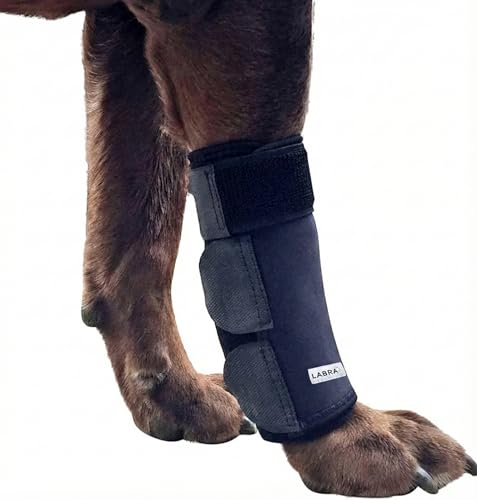
- Protects Against Hot Spots, Lick Granulomas, and Pressure Sores: Provides targeted relief for painful hot spots, lick gr…
- Premium Materials – Made from 3mm neoprene, our brace wrap is breathable, elastic, and enjoyable, ensuring your dog’s co…
- Joint Health – Our brace provides extra support on your dog’s front legs, allowing them to stay healthy and support thei…
And then there’s rest, real, supportive rest. An arthritic dog sleeping on a thin blanket over hard flooring is fighting an uphill battle every single night. The Orthopedic one-piece memory foam bed that never sags gives pressure-point relief that a regular bed simply can’t offer, which matters enormously when your dog is already managing inflammation.

- ✓ One-Piece Memory Foam for Superior Orthopedic Support: Crafted with premium one-piece 48D high-density memory foam, th…
- ✓ 3 Washable Covers for All-Season Comfort: Includes three removable covers designed for year-round use—soft plush for w…
- ✓ Enhanced Comfort: The supportive 3-sided bolster design surrounds your dog with cozy comfort while providing extra hea…
If you’re managing a multi-dog household with different age and mobility needs, especially an older arthritic dog alongside a bouncy younger one, it also helps to look into separate feeding stations for senior dogs and new puppies so mealtime doesn’t turn into a scramble that jostles sore joints.
Comparing the Top 5 Options at a Glance
Here’s how these five approaches to dog joint pain relief compare side by side. This isn’t about finding the single “best” one, it’s about finding the right fit for your dog’s specific health history.
| Medication | Type | Dosing Frequency | Best For | Monitoring Needed | Price Tier |
|---|---|---|---|---|---|
| Librela (bedinvetmab) | Monoclonal antibody injection | Monthly | Dogs intolerant to NSAIDs | Vet recheck monthly, watch for neuro signs | $$$$ |
| Carprofen (Rimadyl) | Traditional NSAID | Daily | General long-term arthritis pain | Liver panel every 3-6 months | $$ |
| Meloxicam (Metacam) | Traditional NSAID | Daily | Dogs needing easy liquid dosing | Kidney panel every 3-6 months | $$ |
| Grapiprant (Galliprant) | EP4 receptor antagonist | Daily | Dogs with sensitive GI systems | Baseline bloodwork, periodic rechecks | $$$ |
| Deracoxib (Deramaxx) | Traditional NSAID | Daily | Post-surgical or severe flare pain | Liver and kidney panel every 3-6 months | $$$ |
What This Looks Like in Real, Daily Life
I think about the dogs who’ve come through Woody’s Place carrying years of untreated joint pain. Nobody had ever put them on arthritis medication for senior dogs, nobody had ever asked the hard questions about their mobility. And within weeks of starting the right protocol, matched carefully to their bloodwork and their body, something in them would soften. They’d play again. They’d choose to follow me to the barn instead of watching from the porch. That transformation isn’t dramatic on camera. It’s quiet. It’s a dog choosing to stand up when they didn’t have to. It’s patience rewarded, one small comfortable day at a time. Some of these same dogs came from breeding lines or backgrounds where joint health was never a consideration at all, which is part of why breed-specific research matters so much. If you’re curious how body size and structure affect long-term joint health, this piece on whether mini or full-size Golden Retrievers age healthier digs into exactly that kind of structural difference.
Trusting the Process, Even When It’s Slow
Arthritis management isn’t a quick fix. It’s not one pill and suddenly your dog is bounding around like a puppy again. It’s a slow, steady rebuilding of comfort and trust in their own body. Some weeks will look better than others. Weather changes, activity levels, even stress can shift how a dog feels day to day. Give the process time. Give your vet honest updates, even the small ones, like “she hesitated at the stairs twice this week” or “he seems a little more willing to jump on the couch.” Those small observations are gold for adjusting a canine osteoarthritis treatment plan properly. And give yourself grace too. Watching an old dog struggle is hard on the heart. You’re not failing them by needing to try a few different medications before landing on the right one. That’s just how good, responsible care actually works.
Frequently Asked Questions
What is the safest arthritis medication for senior dogs with kidney issues?
For dogs with existing kidney concerns, many vets lean toward Librela or grapiprant over traditional NSAIDs, since these options place less direct stress on kidney function. That said, every dog’s bloodwork tells a different story, so this decision should always be made with your vet after a full kidney panel, not based on general advice alone.
How quickly does arthritis medication for senior dogs start working?
NSAIDs like carprofen and meloxicam often show noticeable improvement within 3 to 7 days. Librela tends to take a bit longer, with many owners reporting visible changes within the first two to four weeks after the initial injection, with continued improvement over subsequent monthly doses.
Can I combine NSAIDs for dogs with joint supplements?
Yes, and most vets encourage it as part of a proper multimodal plan. Glucosamine, chondroitin, and omega-3 fatty acids can support joint health alongside prescription medication. Always tell your vet about every supplement you’re using, since some can interact with medication dosing or bloodwork results.
Is Librela better than traditional NSAIDs for canine osteoarthritis treatment?
Better is relative to your dog’s individual health profile. Librela offers a different mechanism that avoids some of the liver and kidney risks tied to NSAIDs, making it a strong option for dogs who can’t tolerate traditional medication. But some dogs respond just as well, or better, to standard NSAIDs with proper monitoring. This is a decision best made together with your vet.
Watching an old dog move through pain and then, slowly, move through relief instead, that’s some of the most meaningful work I know. Arthritis medication for senior dogs isn’t just a prescription pad decision. It’s an act of love, paid attention to daily, adjusted with patience, and never rushed. Your dog trusted you with their whole life. This is one more way to honor that trust, one comfortable day at a time. Tell your pup I said Hi! — Dawn