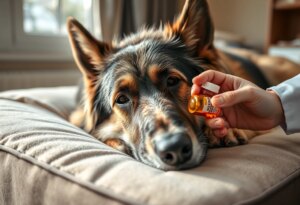
Let’s get straight to it: when pet parents ask me about arthritis medicine for dogs, what they’re usually hoping for is a bottle they can grab off a store shelf and give their stiff old dog tonight. I get it. I’ve watched enough dogs at the sanctuary struggle to get up off the floor that I understand the urgency in that question. But here’s the truth I have to give you first, because I’d rather be honest than easy: there is no truly safe, human-shelf, over-the-counter arthritis medicine for dogs that a vet would hand you without a serious conversation first. What actually exists is a mix of vet-guided prescription NSAIDs, joint supplements you can buy without a prescription, and comfort tools that make a real difference in how your dog moves through the day. Let’s talk about what’s real, what’s risky, and what actually helps.
What “Arthritis Medicine for Dogs” Actually Covers
When people search for arthritis medicine for dogs, they’re usually lumping together three very different categories. It helps to separate them, because they don’t carry the same risk, and they don’t work the same way in an aging body.
- NSAIDs (nonsteroidal anti-inflammatory drugs): These reduce inflammation and pain at the source. The dog-safe versions, like carprofen, meloxicam, and grapiprant, require a prescription. They are not sold over the counter for dogs, period.
- Joint supplements: Glucosamine, chondroitin, and omega-3 fatty acids fall here. These are the true OTC-adjacent options, sold freely without a prescription, and they support cartilage health and reduce inflammation gradually rather than blocking pain outright.
- Topical and supportive options: Some topical anti-inflammatory creams and CBD-based products are marketed for joint comfort, though evidence varies quite a bit and quality control among brands is inconsistent.
None of these three categories is interchangeable with the human medicine sitting in your bathroom cabinet. That distinction matters more than almost anything else in this article, so let’s sit with it for a minute.
The Hard Truth About OTC Limits
I need you to hear this clearly, because I’ve seen the aftermath of good intentions gone sideways. The FDA has never approved human over-the-counter NSAIDs, meaning ibuprofen or naproxen, for use in dogs. Not one milligram of it. Dogs metabolize these drugs very differently than we do, and their margin of safety is thin. A dose that barely takes the edge off a human headache can cause stomach ulcers, kidney failure, or worse in a dog within a day or two.
The ASPCA actually lists ibuprofen among the most common toxic over-the-counter drugs pets get into, right up there with certain human antidepressants and cold medicines. This isn’t a niche warning. It’s one of the top calls their poison control line gets. Honestly, who thinks a human pain pill is an easy fix for a dog in pain? I understand the impulse comes from love and desperation, not carelessness, but the outcome can be devastating either way.
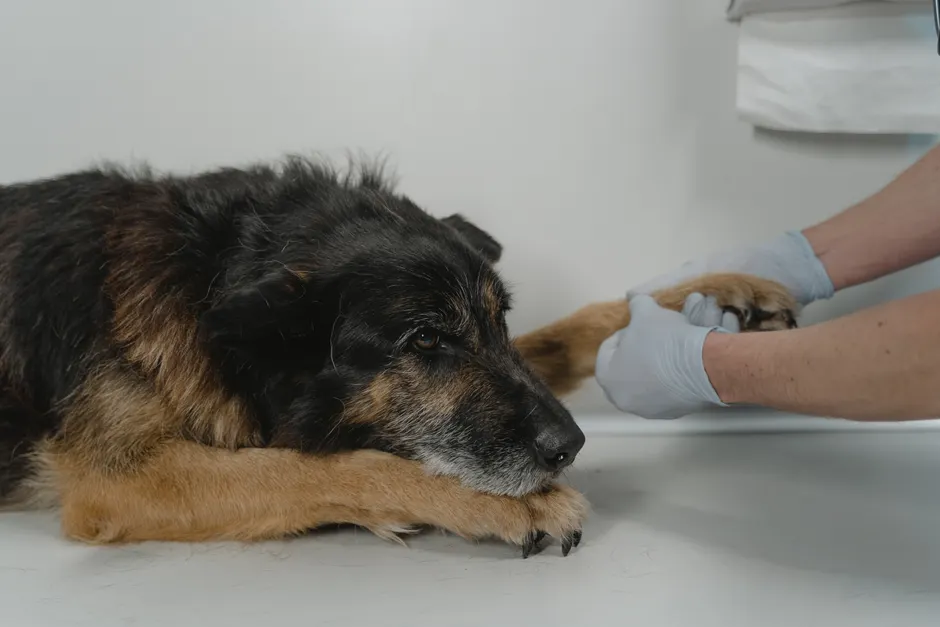
Even acetaminophen, which some people mistakenly believe is “gentler,” is not something to reach for without direct veterinary instruction. Products like Children’s Tylenol Dye-Free Oral Suspension are formulated and dosed for small human bodies, not canine metabolism, and dogs process acetaminophen far more slowly than we do. Cats can die from it. Dogs have a narrower margin of safety than most people assume, and dosing errors happen easily when pet parents are guessing weight-based amounts on their own. If a veterinarian has specifically prescribed a dose for your dog’s exact weight and condition, that’s a different conversation. Self-dosing is where things go wrong.

- Children’s Tylenol dye-free: Gentle on children’s tummies; dye-free formulation is also alcohol free, aspirin free; cont…
- Pediatric liquid: Children’s Tylenol dye-free oral suspension contains acetaminophen, a pain reliever and fever reducer;…
- Quick relief: Tylenol starts to reduce fevers in as little as 15 minutes; an effective pain reliever; useful for minor a…
This is a sacred trust. Our dogs cannot read the label on a pill bottle. They cannot tell us their stomach is burning until it’s an emergency. Every decision about pain relief has to be made *for* them, with full knowledge, not guesswork born of good intentions.
Vet-Reviewed OTC-Adjacent Options That Are Actually Safe
Now for the part that actually gives us something to work with. Joint supplements are the closest thing to a genuine, accessible arthritis medicine for dogs that you can buy without a prescription, and they’re not just a feel-good placebo. A 2020 study published in Frontiers in Veterinary Science found that dogs given a combination of glucosamine, chondroitin, and omega-3 fatty acids showed measurably reduced pain scores and improved mobility over time. That’s not marketing copy. That’s peer-reviewed research on real dogs with real osteoarthritis.
Here’s what I look for when I’m choosing supplements for the senior dogs in my care:
- Glucosamine and chondroitin sulfate to support cartilage repair and slow further breakdown
- Omega-3 fatty acids (fish oil) for their natural anti-inflammatory effect throughout the whole body, not just the joints
- Green-lipped mussel extract, which has some promising research behind it as a complementary joint-support ingredient
- Third-party tested products from companies that publish sourcing and dosing transparently
These canine arthritis supplements work slowly. I always tell people it takes four to six weeks of consistent daily use before you’ll notice a real shift in how your dog moves. That’s a hard thing to hear when your dog is hurting today, but patience here isn’t optional. It’s part of doing this right. Pairing supplements with the right daily nutrition matters too. If you haven’t looked into vet-recommended vitamins for senior dogs, that’s a good next stop, because joint support works best as part of a whole-body approach, not an isolated fix.
Signs Your Senior Dog Needs More Than OTC Support
I want to be honest with you about the ceiling here. Supplements are a real, valuable tool. They are not a substitute for prescription-level relief when a dog’s arthritis has progressed. Watch for these signs that your dog has moved past what dog joint pain relief supplements alone can offer:
- Reluctance or refusal to climb stairs, jump into the car, or get up from lying down
- Visible stiffness that doesn’t loosen up after the first few minutes of walking
- Whimpering, panting, or restlessness at night that suggests pain is disrupting sleep
- Muscle loss in the hind legs from reduced activity
- A noticeable personality shift, like increased irritability or withdrawal
If you’re seeing two or more of these, it’s time for a real conversation with your vet about prescription NSAIDs like carprofen or meloxicam. These medications are genuinely effective and, under veterinary supervision with proper bloodwork monitoring, quite safe for long-term use in most dogs. They require regular liver and kidney checks, which is exactly why they’re not sold over the counter. That oversight isn’t red tape. It’s what keeps your dog safe on a medication that’s actually strong enough to help.

Some dogs with significant joint deterioration also benefit from bracing support during recovery or flare-ups. A product like the Hinged ROM Elbow Brace can offer extra joint stability for dogs recovering from injury or managing chronic elbow arthritis, though it should be fitted and recommended by your vet rather than guessed at home.
Daily Comfort Measures From Sanctuary Life
Some of the most meaningful relief I’ve ever given a dog had nothing to do with a pill bottle. It came from the floor they sleep on, the ramp instead of a step, and the weight they’re carrying (or not carrying) on their joints. This is the quiet, unglamorous work of caring for an aging dog, and it matters just as much as any medicine.
- Orthopedic bedding: A supportive memory foam bed relieves pressure on arthritic hips and shoulders, especially through the night when stiffness sets in the worst
- Ramps over stairs: Every jump down from a couch or tailgate is a small impact injury waiting to accumulate
- Weight management: Extra pounds are extra pressure on already inflamed joints. Even a small reduction can ease pain noticeably
- Gentle, consistent movement: Short, frequent walks keep joints lubricated better than long bursts of activity followed by days of rest
- Warmth: Cold mornings are hard on old joints. A heated bed or a simple blanket layer helps more than people expect
If your dog is on a medication routine, whether that’s a supplement, a prescription NSAID, or both, keeping doses organized matters more than people realize. A simple tool like a Portable Pill Taker can make it much easier to stay consistent day after day, especially if you’re managing multiple medications for multiple aging dogs the way I often am.

- EASY TO USE: Simple one-handed operation makes removing pills from blister packs effortless and safe for elderly and dis…
- PORTABLE DESIGN: Compact and lightweight construction allows you to carry this medication aid wherever you need it
- VERSATILE APPLICATION: Works with most standard blister pack medications and helps reduce hand strain during pill extrac…
Nutrition plays into this too, more than most people expect. A dog carrying extra weight on arthritic joints is fighting an uphill battle no supplement can fully offset. If weight has crept up on your senior dog, it’s worth reading through our guide on best senior dog food for weight loss and big appetite to find a nutrition plan that supports joint health instead of working against it.
Comparing OTC-Adjacent Joint Support Options
Here’s how the most common OTC-adjacent options for arthritis medicine for dogs stack up against each other, so you can see where each one fits into a real care plan.
| Option | Best For | Time to Notice Results | Requires Vet Prescription? | Price Tier |
|---|---|---|---|---|
| Glucosamine/Chondroitin Chews | Early to moderate joint stiffness | 4-6 weeks | No | $$ |
| Omega-3 Fish Oil | Whole-body inflammation support | 3-5 weeks | No | $ |
| Green-Lipped Mussel Supplements | Cartilage support, moderate arthritis | 4-8 weeks | No | $$$ |
| Joint Brace/Support Gear | Post-injury stability, chronic joint weakness | Immediate mechanical support | Recommended | $$$ |
| Prescription NSAIDs (carprofen, meloxicam) | Moderate to severe arthritis pain | Days to 1-2 weeks | Yes | $$$$ |
Notice that the true OTC options sit at the gentler end of both effectiveness and cost. That’s not a flaw. It’s simply how these tools are meant to work, as steady, cumulative support rather than a fast fix.
When Anxiety and Pain Overlap
One thing I don’t think gets said enough: chronic pain and anxiety feed each other in old dogs. A dog who’s hurting becomes more clingy, more restless, more vocal when left alone, and pet parents sometimes mistake this for a behavior problem instead of a pain signal. If your senior dog’s anxious behaviors have gotten worse alongside their stiffness, it’s worth reading our piece on senior dog separation anxiety and how to help, because untangling pain from anxiety often requires addressing both at once.
Frequently Asked Questions
Is there any truly over-the-counter arthritis medicine for dogs?
Not in the way most people mean it. There’s no dog-safe NSAID sold over the counter the way ibuprofen is sold for humans. What is genuinely available without a prescription are joint supplements like glucosamine, chondroitin, and omega-3 fatty acids, which support joint health gradually rather than blocking pain the way a prescription NSAID does.
Can I give my dog human ibuprofen or naproxen for arthritis pain?
No. Human NSAIDs like ibuprofen and naproxen are not FDA-approved for dogs and can cause serious stomach ulcers, gastrointestinal bleeding, and kidney damage even at doses that seem small. The ASPCA lists ibuprofen among the top toxic over-the-counter drugs for pets, and it’s one of the most common poison control calls they receive.
How long does it take for joint supplements to work in senior dogs?
Most quality canine arthritis supplements take four to six weeks of consistent daily use before you’ll see a noticeable change in mobility or comfort. Some dogs respond a bit faster, others take closer to eight weeks, so patience and consistency matter more than switching products too soon.
When should I move from supplements to a prescription arthritis medicine for dogs?
If your dog shows reluctance to climb stairs, stiffness that doesn’t ease after moving around, nighttime restlessness from pain, or noticeable muscle loss in the hind legs, it’s time to talk to your vet about prescription options like carprofen or meloxicam. These require bloodwork monitoring but offer far stronger relief for moderate to severe arthritis.
Old dogs teach us patience in a way almost nothing else does. Every stiff morning, every slow walk to the water bowl, it’s a small reminder that comfort is something we build day by day, not something we buy in a single bottle. Whatever combination of supplements, prescription support, and quiet daily care your dog needs, give yourself grace as you figure it out. You’re already doing the hardest and most important part: paying attention. Tell your pup I said Hi! — Dawn