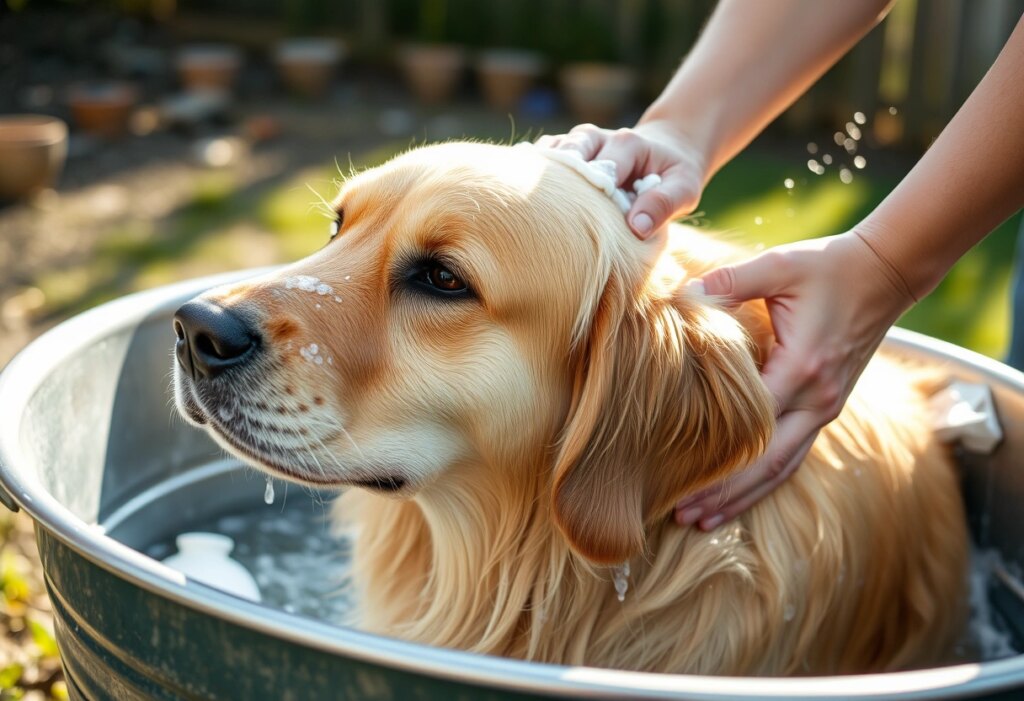

If your old Golden has started smelling “off” between baths, you’re not imagining it. The right dog shampoo can make a real difference for senior Goldens, whose thicker undercoats and aging skin barriers trap oil, yeast, and moisture in ways that younger dogs just don’t deal with as much. I’ve bathed a lot of senior dogs at the sanctuary over the years, and Goldens are their own special category when it comes to that distinct “doggy” smell creeping back in days after a wash. This isn’t about masking odor with a blast of fake fragrance. It’s about actually addressing what’s causing it, while being gentle enough for skin that’s thinner and more reactive than it used to be. Let’s get into why senior Goldens smell the way they do, what actually works, and which seven products I’d trust on an aging coat.
Why Golden Retrievers Develop Odor Faster
Goldens carry a dense double coat built for water and weather, which is lovely until you realize it’s also a moisture trap. That thick undercoat holds onto dampness after walks in wet grass, swims, or even just humid summer air. Trapped moisture plus warm skin equals a breeding ground for yeast and bacteria, and that’s where the smell comes from. VCA Animal Hospitals notes that Golden Retrievers are predisposed to seborrhea and allergic skin disease, both of which throw off the skin’s natural oil balance. When oil production goes haywire, either too much or too little, the coat holds odor differently than it should. Add allergies into the mix (Goldens are notorious for them) and you get itchy, inflamed skin that produces even more of those funky-smelling oils. Older Goldens have another layer to this. Their skin thins with age, their circulation slows a bit, and they’re often less able to groom themselves the way they did as younger dogs. A stiff, arthritic senior isn’t twisting around to lick that hard-to-reach spot near the tail the way he used to. That means odor-causing buildup can sit there longer than it should.What Actually Makes a Dog Shampoo Effective for Odor
Here’s where I get a little opinionated. A lot of “odor control” shampoos on the shelf are just heavily perfumed. They smell nice walking out of the store, and by day three your dog smells like a musky candle shop mixed with wet dog. That’s not a fix. That’s a cover-up. What actually works:- Oatmeal-based formulas calm inflamed, itchy skin, which reduces the excess oil production that causes odor in the first place
- Chlorhexidine or antimicrobial ingredients target the yeast and bacteria directly responsible for that sour smell, especially in skin folds and paw creases
- Enzymatic cleansers break down organic buildup on the coat rather than just surrounding it with fragrance
- pH-balanced bases keep the skin barrier intact so it doesn’t overcompensate with more oil after a bath
Senior-Specific Considerations for Aging Golden Coats
This is the part that gets skipped in most shampoo roundups, and it drives me a little crazy. Senior dogs are not just smaller versions of adult dogs. Their skin is genuinely different. As dogs age, the skin loses collagen and elasticity, and it becomes drier and more fragile. A harsh, stripping shampoo that a three-year-old Golden could tolerate fine might leave an eleven-year-old’s skin raw, flaky, and paradoxically, smellier than before, because irritated skin overproduces oil to compensate. The American Kennel Club has pointed out that senior dogs generally need less-frequent, gentler baths so their natural oils aren’t stripped away. That natural oil layer is doing real work protecting aging skin, and every time we scrub it away with a harsh dog shampoo, we’re asking that thinner skin barrier to rebuild itself from nothing.Bathing an old dog isn’t just a hygiene chore. It’s a chance to check every inch of that aging body for lumps, sores, hot spots, and the subtle changes that tell you something’s shifting. Slow down. Use your hands. That bath time is information time.I’d also gently point you toward paying attention to what’s going into your senior’s bowl, not just what’s going on their coat. Diet affects skin oil production more than most people realize, and if you’ve ever wondered why some vets steer owners away from certain popular kibble brands, skin and coat quality is often part of that conversation.
7 Best Dog Shampoos for Smelly Senior Golden Retrievers
I looked at ingredient lists, rinsability (a big deal for a dog who doesn’t love standing still in a tub), and how gentle each formula actually is on sensitive, aging skin. Here’s where I landed.1. Half Gallon Deodorizing Formula for Larger Coats
For a big double-coated breed like a Golden, running out of shampoo halfway through a bath is its own kind of frustrating. The Dog Shampoo Half Gallon, Cleans, Conditions & Detangles gives you enough product to actually work it all the way down to the skin, not just the topcoat, which matters when odor is coming from trapped moisture near the base of the fur. The conditioning agents also help with detangling, which senior Goldens with matted feathering on their legs and tail will appreciate.
- LARGE VALUE SIZE (64 OZ): Save time and money with our extra-large half gallon 64oz bottle of premium dog shampoo, suita…
- 4-IN-1 DOG SHAMPOO: Effectively cleans, conditions, detangles, and moisturizes your dog’s skin. Keep your dog’s fur soft…
- PROUDLY MADE IN THE USA: Our shampoo for dogs is a quality American-made product formulated and tested in the best facil…
2. Gentle Formula Built for Curly and Double Coats
Goldendoodles and Goldens share that dense undercoat problem, so a formula built with that coat type in mind tends to translate well. The Dog Shampoo & Conditioner for All Breeds is worth a look if your senior Golden’s undercoat holds onto that damp, musty smell no matter how often you bathe him. It’s a milder sensitive skin dog shampoo option, which I appreciate for older dogs whose skin can’t tolerate anything too aggressive.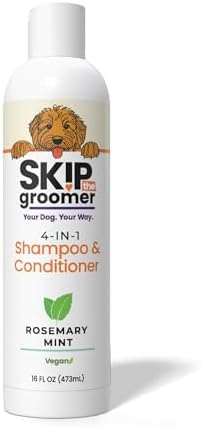
- RESET FOR BATH DAYS: Start softer. Reset smarter. Part of the Skip the Groomer Reset system, this 4-in-1 shampoo and con…
- FRESH COAT, EASY BRUSH-THROUGH: Regular use helps prevent mats from forming in the first place. This dematting shampoo l…
- GENTLE ON SKIN, TOUGH ON DIRT: Perfect for dogs with curly coats and sensitive skin. The naturally calming formula sooth…
3. Low-Irritation Bubble Formula for Sensitive Skin
Bubble-based formulas tend to rinse out more completely than thick, viscous shampoos, which matters a lot for older dogs. Leftover residue on aging skin can cause irritation that mimics or worsens odor issues. The [PETHROOM] Bubble Shampoo for Dogs is a nice option if your senior has a history of hot spots or reactive skin, since the lighter bubble texture doesn’t require as much scrubbing to work through the coat.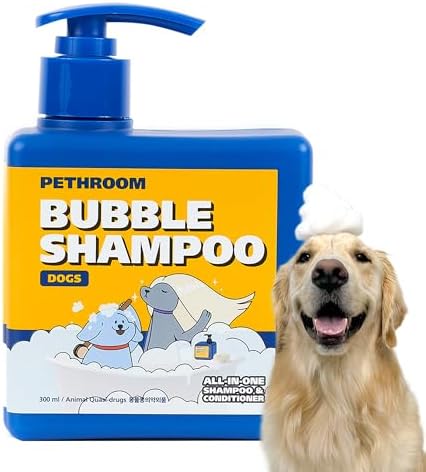
- PREMIUM NATURAL INGREDIENTS: Infused with 55% milk protein extract, this shampoo provides intensive protein care for you…
- HYPOALLERGENIC DOG SHAMPOO: Made with EWG green-grade ingredients, this bubble shampoo is perfect for dogs with sensitiv…
- DEEP CLEANSING FOAM: The rich foam effectively removes dirt and impurities from your dog’s fur while maintaining natural…
4. Oatmeal-Forward Formulas for Allergy-Prone Skin
Beyond the three products above, keep an eye out for any deodorizing dog shampoo that lists colloidal oatmeal near the top of its ingredient list. Oatmeal calms the itch-scratch-inflame cycle that’s so common in allergy-prone Goldens, and calmer skin genuinely smells better because it isn’t overproducing defensive oils.5, 6, and 7: Rotating Between Formulas
Honestly, one of the best strategies I’ve used at the sanctuary isn’t picking a single “best” shampoo and sticking with it forever. It’s rotating between two or three gentle formulas so the skin doesn’t build up sensitivity to any one ingredient blend. Alternating between an oatmeal-based cleanser, a mild antimicrobial wash for occasional yeast flare-ups, and a light conditioning rinse covers most of what an aging Golden’s coat needs across the seasons.Comparing the Top Dog Shampoo Options
Here’s how these stack up side by side. I’ve included a Price Tier column using a relative scale rather than exact dollar figures, since actual pricing shifts often on Amazon.| Product | Best For | Key Ingredient Focus | Rinse Ease | Price Tier |
|---|---|---|---|---|
| Half Gallon Deodorizing Formula | Large coats, less frequent restocking | Conditioning + cleansing agents | Moderate | $$ |
| All Breeds Shampoo & Conditioner | Dense double coats, sensitive skin | Mild cleansers, conditioning oils | Good | $$ |
| PETHROOM Bubble Shampoo | Reactive skin, arthritic seniors | Low-irritation bubble base | Excellent | $$$ |
How Often Should You Bathe a Senior Golden?
This is where I see well-meaning owners overdo it. Frequent bathing feels proactive, like you’re staying ahead of the smell, but it can actually make odor worse in senior dogs by stripping the skin barrier and triggering rebound oil production. General senior wellness guidance from veterinary organizations, including principles echoed by the American Animal Hospital Association around senior wellness care, points toward monitoring skin and coat condition as part of routine senior checkups rather than adhering to a rigid bathing schedule. Bathe as needed based on what you observe, not a calendar. A few practical markers I use with the sanctuary dogs:- If the coat smells musty but the skin looks calm and flake-free, a targeted rinse or waterless dog shampoo touch-up may be enough
- If you notice redness, flaking, or hot spots, that’s a signal for a gentler sensitive skin dog shampoo, not a more aggressive one
- Every four to six weeks is a reasonable general window for most senior Goldens, adjusted for activity level and skin condition
- Between baths, a damp washcloth on paws, ears, and the underside of the tail handles a lot of odor buildup without a full bath
A Word on Skin Checks During Bath Time
I mentioned this in the blockquote above, but it deserves its own space because it’s genuinely one of the most important things you can do for an aging dog. Every bath is a full-body exam if you use it that way. Run your hands slowly over every inch, feeling for new lumps, sore spots, or areas that make your dog flinch. Check between the toes, behind the ears, and along the belly where skin issues love to hide. A good dog shampoo session isn’t rushed. It’s slow, it’s hands-on, and it tells you things a quick glance across the room never will.Frequently Asked Questions
Why does my senior Golden Retriever smell bad even after a bath?
This usually points to trapped moisture in the undercoat, yeast or bacterial buildup on the skin, or an underlying allergy causing excess oil production. A fragranced dog shampoo will mask this temporarily, but a formula with oatmeal or antimicrobial ingredients addresses the actual cause. If the smell returns within a day or two of bathing, it’s worth mentioning to your vet, since it can signal a skin infection that needs treatment.
Is human shampoo ever okay to use on a senior dog in a pinch?
No, and this is worth being firm about. Human skin has a different pH than dog skin, and senior dogs already have a thinner, more fragile skin barrier. Using human shampoo can strip natural oils and cause dryness or irritation. Stick with a dog shampoo formulated specifically for canine skin, ideally a gentle one if your senior has sensitive or aging skin.
How can I tell if it’s odor or an actual skin infection?
A musty, yeasty smell paired with redness, greasy patches, or hair loss usually means more than surface odor. Infections often come with visible skin changes, not just smell. If a deodorizing dog shampoo doesn’t improve things within a week or two, or if the skin looks inflamed, it’s time for a vet visit rather than trying another product off the shelf.
Can diet affect how smelly my senior Golden’s coat is?
Yes, quite a bit actually. Diets high in poor-quality fillers or inflammatory ingredients can affect oil production and skin health, which shows up as coat odor. Omega-3 fatty acids in particular support a healthier skin barrier in aging dogs. Pairing the right dog shampoo with thoughtful nutrition tends to produce better, longer-lasting results than shampoo alone.