
My little senior dogs at the sanctuary have taught me something the pet food aisle will never tell you: a ten-pound senior body works twice as hard as a sixty-pound one to stay warm, stay strong, and keep that heart pumping steady. When I’m choosing senior dog food for the small seniors in my care, I’m not just grabbing whatever bag says “senior” on the front. I’m reading labels like my dog’s life depends on it. Because honestly? It kind of does.
This isn’t a sponsored love letter to any one brand. It’s a real, grounded look at five Blue Buffalo senior formulas that actually make sense for small-breed dogs, plus the truths about aging dog nutrition that most bags of kibble conveniently leave off the label.
Why Small-Breed Seniors Need a Different Approach Than Big Dogs
Here’s something that surprises a lot of pet parents: small and large senior dogs are aging in almost opposite directions, nutritionally speaking.
Large-breed seniors tend to slow down hard. Their joints wear out early, their metabolism tanks, and weight gain sneaks up fast. Small-breed seniors? Their metabolism often stays quicker for longer, which means they actually need more calories per pound of body weight than a big dog does, even into their golden years. A twelve-year-old Chihuahua and a twelve-year-old Great Dane are not eating the same diet for the same reasons, and treating them like they are is where a lot of people go wrong.
Then there’s the mouth. Small breeds are notorious for dental disease, crowded teeth, and early tooth loss. I’ve had sanctuary dogs with barely six teeth left still eating well, but only because the kibble was small enough and soft enough for them to manage. A senior small breed dog food needs a bite-sized kibble that doesn’t require a full mouth of teeth to break down. This matters more than almost anything else on the label, and it’s the detail most big-box pet food ads never mention.
The Truth About “Senior” Dog Food Labels Nobody Talks About
I want to be honest with you about something that took me years of hands-on sanctuary life to fully understand: there is no official AAFCO nutrient profile for “senior” dog food. None. The Association of American Feed Control Officials only recognizes two life stages for nutritional adequacy: growth (puppies) and adult maintenance. Everything labeled “senior” is really an adult maintenance formula that a brand has voluntarily adjusted, usually with things like added glucosamine, chondroitin, and L-carnitine.
That means “senior” on a bag is more of a promise than a regulated standard. Some brands take it seriously and formulate thoughtfully. Others just print an older-looking dog on the bag and call it a day. This is exactly why comparing labels matters so much when you’re shopping for senior dog food, because the word “senior” alone tells you almost nothing about what’s actually inside.

Feeding an aging dog well isn’t about chasing trends or fancy packaging. It’s about slowing down long enough to notice what your dog’s body is actually asking for, and having the humility to change course when it isn’t working. That’s the sacred trust we take on when we bring these old souls into our homes.
Breaking Down 5 Blue Buffalo Senior Formulas for Small Dogs
Blue Buffalo has built a real following in the aging-dog community, and for good reason. Several of their senior lines are formulated with small-kibble sizes, joint support, and protein-forward recipes. Here’s how five of their most relevant formulas stack up against each other.
| Formula | Primary Protein | Kibble Size | Joint & Metabolic Support | Price Tier |
|---|---|---|---|---|
| Life Protection Formula Small Breed Senior | Deboned Chicken | Small, bite-sized | Glucosamine, chondroitin, L-carnitine | $$ |
| Wilderness Senior | Deboned Chicken (high-protein) | Small-medium | Glucosamine, chondroitin, antioxidants | $$$ |
| Basics Limited Ingredient Senior | Turkey or Salmon (single source) | Small, easy-chew | Glucosamine, chondroitin, gentle digestion | $$$ |
| Healthy Weight Senior | Deboned Chicken (reduced fat) | Small, bite-sized | L-carnitine emphasis, glucosamine | $$ |
| True Solutions Perfect Digestion Senior | Deboned Chicken + Fiber Blend | Small-medium | Prebiotics, probiotics, glucosamine | $$$ |
Notice a pattern here? Nearly every formula leans on glucosamine and chondroitin for joints, and several add L-carnitine, which helps the body metabolize fat rather than store it. That’s not an accident. It’s a direct response to what senior dogs’ bodies actually need as they age, and it’s one of the clearer signs a brand put real thought into their blue buffalo senior formula lineup rather than just slapping a label on an existing recipe.
The Weight Problem Nobody Wants to Admit
I have to be blunt here, because this one genuinely worries me. The 2023 Banfield Pet Hospital State of Pet Health report found that over half of senior dogs in the U.S. are overweight or obese. Over half. Sit with that for a second.
Extra weight on an aging small dog isn’t just a cosmetic issue. It’s added pressure on joints that are already stiffening, added strain on a heart that’s already working harder, and a real shortener of quality years. This is exactly why calorie density and L-carnitine support matter just as much as glucosamine when you’re picking a food. A formula can have every joint supplement under the sun and still do your dog harm if the calorie count is quietly packing on pounds every month.
If your vet has flagged your dog’s weight, or you’re just noticing that waistline disappearing, a calorie-conscious option is worth a serious look. Something like the Hill’s Science Diet Adult 7+ Dry Dog Food is formulated specifically around this life stage with vet-backed research behind it, and it’s a reasonable comparison point when you’re weighing your options against Blue Buffalo’s senior lines.

- Healthy heart, kidneys, and bladder supported by antioxidants and balanced minerals
- Lean muscles supported with high-quality protein
- Made with natural ingredients
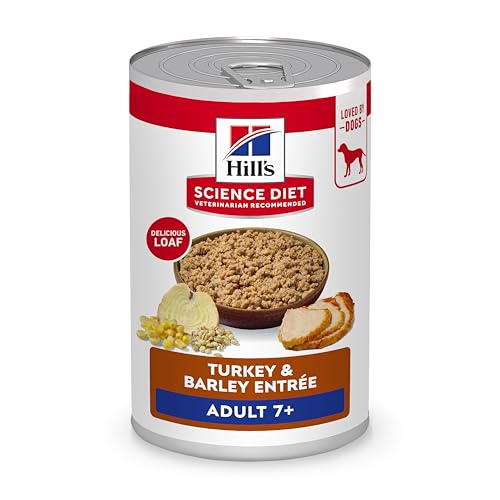
For dogs who are picky eaters, or who’ve lost enough teeth that dry kibble has become a genuine struggle, a wet food option can bridge that gap without sacrificing nutrition. Hill’s Science Diet Adult 7+ Wet Dog Food softens easily and can even be mixed into dry kibble to make mealtime more manageable for a mouth that’s seen better days.
Transitioning Your Senior Small Dog Onto a New Food
I’ve seen too many people dump a new food straight into the bowl and wonder why their old dog is suddenly sick for three days. Senior digestive systems are not forgiving. They need patience, the same patience we owe them in every other part of their care.
Here’s how I transition dogs in my own care, slow and steady:
- Days 1-3: Mix 25% new food with 75% current food
- Days 4-6: Move to a 50/50 blend
- Days 7-9: Shift to 75% new food, 25% old
- Day 10+: Fully transition, if all is well
Watch closely for red flags along the way: soft stool, vomiting, excessive gas, or a dog who suddenly turns their nose up at meals they used to love. Appetite changes in a senior dog are never “nothing.” Sometimes it’s the food. Sometimes it’s something bigger going on underneath, like dental pain or an underlying illness that food alone can’t fix. Trust your gut when something feels off. You know your dog better than any bag of kibble does.

If your dog is dealing with anxiety around mealtime changes, or general stress that’s affecting appetite, it’s also worth reading up on how Thundershirts compare to calming chews for easing senior dog stress, because a nervous system in fight-or-flight mode doesn’t digest food well no matter how good the formula is.
Sometimes a Bag of Kibble Isn’t the Answer
I’ll say something that might ruffle a few feathers: sometimes the “best” senior dog food isn’t a bag at all. For dogs with kidney disease, severe allergies, pancreatitis, or advanced dental loss, a vet-prescribed diet or a carefully balanced home-cooked meal plan can be a gentler, more honest path forward than any commercial formula on the shelf, Blue Buffalo included.
This isn’t about brand loyalty. It’s about watching your particular dog, the one right in front of you, and being willing to adjust. I’ve had sanctuary dogs thrive on a premium commercial diet and others who only turned a corner once we went home-cooked under vet guidance. Both paths are valid. What matters is staying honest about what’s actually working, not what’s supposed to work on paper.
For small-breed seniors who do well on commercial kibble but need an easily digestible, protein-forward option, NUTRO NATURAL CHOICE Adult Dry Dog Food with its farm-raised protein is worth a look as a comparison brand, especially for dogs with sensitive stomachs who need simpler ingredient lists.

- Supports Whole-Body Health: NUTRO NATURAL CHOICE Adult Dry Dog Food is made with essential nutrients and antioxidants to…
- Made With Real Lamb: Real lamb is the #1 ingredient in this protein-rich recipe
- Supports Healthy Skin & Coat: Made with high-quality protein, this delicious dry dog food also contains Omega 3 & 6 fatt…
Choosing What’s Right for Your Small Senior
Choosing senior dog food for a small breed isn’t about picking the fanciest bag or the one with the most joint-support buzzwords printed across the front. It’s about kibble size, calorie density, real protein sources, and watching how your individual dog responds over those first couple weeks.
Every one of these Blue Buffalo formulas has real strengths. But your dog isn’t a marketing demographic. They’re a living, aging creature with their own quirks, their own teeth (or lack thereof), and their own gut that’s going to tell you, one way or another, whether this food is working.
If your senior dog also struggles with jealousy or restlessness around other pets in the home, enrichment matters just as much as nutrition. The right enrichment toys can ease senior dog jealousy and give your aging dog something to focus on besides feeling pushed aside.
Frequently Asked Questions About Senior Dog Food for Small Breeds
Is Blue Buffalo senior dog food good for small breeds specifically?
Yes, several Blue Buffalo lines offer small-kibble sizing along with added glucosamine, chondroitin, and L-carnitine, which support joints and metabolism in aging small dogs. That said, always check the specific formula, since kibble size and protein sources vary across their senior lineup.
What makes senior dog food different from regular adult formulas?
There’s technically no official AAFCO senior nutrient profile, so senior dog food is really an adult maintenance formula with adjustments like added joint supplements, altered calorie density, and sometimes smaller kibble sizing for aging teeth. Brands vary widely in how seriously they take these adjustments.
How do I know if my senior small breed dog is at a healthy weight?
You should be able to feel your dog’s ribs with gentle pressure and see a visible waist from above. If you can’t find the ribs easily, or your vet has flagged weight gain, a calorie-conscious senior dog food with added L-carnitine can help support healthy fat metabolism.
How long should I take to switch my senior dog to a new food?
Plan on a slow ten-day transition, gradually increasing the ratio of new food to old. Senior dogs have more sensitive digestive systems, so watch closely for soft stool, vomiting, or appetite changes, and slow the transition down further if you notice any of those signs.
Feeding an old dog well is one of the quietest forms of love there is. No parades, no applause, just a bowl set down with intention every single day. Whatever formula you land on, keep watching, keep adjusting, and keep trusting the wisdom in your dog’s own body. That’s the whole job, really.
Tell your pup I said Hi! — Dawn