
A mini golden retriever is often marketed as the perfect low-key lap dog for older adults, but the behavioral reality is more complicated than the marketing suggests. Calmness isn’t a size trait. It’s a nervous system trait, and it has almost nothing to do with how many pounds a dog weighs. Before recommending this crossbreed to any elderly client, I look at the actual data on temperament inheritance, energy output, and individual variation, because the answer to whether a mini golden retriever suits a senior owner depends far more on the individual dog in front of you than on the label attached to it.
What “Calm Companion Dog” Actually Means Behaviorally
Owners tend to use “calm” as a catch-all for “small and cute,” but as a behaviorist I define it functionally. A genuine calm companion dog exhibits three measurable traits: low reactivity to novel stimuli (doorbells, strangers, sudden movement), high affiliative motivation (a preference for proximity to humans over environmental exploration), and predictable sensory thresholds (the dog doesn’t get overwhelmed easily and recovers quickly when it does). None of these traits correlate reliably with body size. A 65-pound dog with a well-regulated stress response can be a far better fit for a senior household than a 25-pound dog with a hair-trigger startle reflex. This distinction matters because it reframes the entire question. If you’re shopping by size alone, you’re optimizing for the wrong variable.
The Genetics Behind Mini Golden Retrievers Are Not Straightforward
A mini golden retriever is typically a cross between a Golden Retriever and a smaller breed such as a Poodle or Cocker Spaniel, sometimes carried through several generations to stabilize size. The American Kennel Club does not recognize this as a standardized breed, and that lack of recognition isn’t just a paperwork technicality. It reflects a real absence of consistent selective pressure on temperament. Purebred lines with generations of standardized breeding have gone through repeated behavioral filtering: breeders cull for aggression, excessive fearfulness, or extreme reactivity over many litters. A mixed, non-standardized line hasn’t necessarily gone through that filtering process. Temperament inheritance is polygenic, meaning it’s controlled by many genes interacting with early environment, not a single dominant gene you can predict from a Punnett square. When you cross two breeds without generations of temperament-focused selection behind the cross itself, you widen the range of possible outcomes rather than narrowing it.
What the Research Actually Shows About Breed and Behavior
The most relevant data point here comes from a 2022 study published in PLOS ONE by Morrill and colleagues, which analyzed genetic and behavioral data from 2,155 dogs. The finding that should reshape how we talk about breed-based temperament predictions: breed accounted for only about 9% of the variation in behavior across the sample. That’s a strikingly low number given how much marketing language leans on breed identity as a behavioral guarantee. It means that roughly 91% of what determines a given dog’s actual temperament comes from something other than its breed label, including individual genetic variation within the breed, early developmental experience, socialization history, and maternal environment. For a senior owner evaluating a mini golden retriever as a potential companion, this data point should lower confidence in breed marketing and raise the priority of individual temperament assessment. You’re not really choosing a breed. You’re choosing an individual animal, and the label tells you less than most people assume.

The data is contradictory when it comes to breed-based temperament claims, and that contradiction should make owners more cautious, not less. A cute name and a small body do not override the need for individual behavioral evaluation.
The Energy Mismatch Nobody Mentions in the Marketing
Here’s where I see the most common misconception play out in practice. Golden Retriever lineage, even when diluted through a “mini” cross, tends to retain moderate-to-high exercise drive well into early adulthood. Data reflected in studies published in the Journal of Veterinary Behavior consistently shows that retriever-lineage dogs display sustained activity motivation and exercise-seeking behavior through roughly age 3 to 4, regardless of adult body size. This is a genuine mismatch risk for elderly owners with limited mobility. A mini golden retriever puppy may look like a lap dog in photos, but the underlying behavioral drive inherited from its retriever ancestry doesn’t miniaturize along with the body. An owner expecting a low-energy companion may instead get a dog that needs daily structured exercise, mental enrichment, and outlets for retrieving behavior, none of which shrink proportionally with coat length or leg size. This is one of the most common gaps between owner expectation and behavioral reality that I see in consultations, and it’s worth taking seriously before committing to a puppy of this cross.
Comfort and Enrichment Items That Support Calm Behavior at Home
Regardless of which dog a senior owner selects, the physical environment plays a measurable role in supporting low-arousal states. Predictable, cozy resting spaces reduce hypervigilance and give a dog a consistent “safe zone” to retreat to, which supports the affiliative, low-reactivity profile we’re aiming for. A well-designed bundle like the Huxley & Kent Holiday Dog Bundle can offer a small dog a dedicated resting and comfort setup that reinforces a stable, predictable routine, something that matters more for behavioral regulation than most owners realize.

- CHRISTMAS & HOLIDAY DOG ACCESSORY – Our Huxley & Kent holiday hats are the easiest way to dress up your dog or cat this …
- DURABLE & COMFORTABLE – Easily wrap the scarf around your pet’s neck and tuck the ends into an attached loop for a secur…
- EASY ATTACHMENT – Every pet hat features Snugfit technology, which includes two sets of stretchy elastic bands for comfo…
Comparing Calm Companion Dog Options for Elderly Owners
Below is a functional comparison of common small and moderate-sized companion dog options frequently recommended for elderly households, evaluated against the behavioral traits that actually predict a good fit rather than size alone. This table is meant to be a starting reference point, not a substitute for individual temperament testing.
| Breed/Cross | Typical Adult Energy Level | Reactivity Profile | Grooming Demand | Best Suited For | Price Tier |
|---|---|---|---|---|---|
| Mini Golden Retriever | Moderate to high through age 3-4 | Variable, low breed predictability | High (double coat, regular brushing) | Active seniors, or households with help for exercise/grooming | $$$ |
| Cavalier King Charles Spaniel | Low to moderate | Generally affiliative, low reactivity | Moderate | Seniors seeking a classic lap dog temperament | $$$ |
| Adult Rescue Mixed Breed (2+ years) | Known and observable, varies by individual | Assessable directly, high predictability | Varies by coat type | Seniors who want a documented, tested adult temperament | $ |
| Shih Tzu | Low | Generally calm, some noise sensitivity | High (daily brushing recommended) | Lower-mobility seniors wanting minimal exercise needs | $$ |
| Standard Poodle (small line) | Moderate | Low reactivity, high trainability | High (professional grooming needed) | Seniors comfortable with grooming costs, seeking trainability | $$$$ |
The Senior-Companion Fit Checklist
Rather than relying on a breed name, I recommend elderly owners and their families work through a structured evaluation before committing to any dog, including a mini golden retriever. This is the same framework I’d use in a case-profile evaluation for a client building a Happiness Plan around a new companion animal.

- Request the breeder’s temperament testing protocol. Ask specifically how puppies are evaluated, not just how the parents behave. A reputable breeder should document individual assessments, not rely solely on breed reputation.
- Ask for a Volhard or comparable puppy aptitude test result. These structured tests assess sociability, prey drive, sound sensitivity, and touch sensitivity in a repeatable way, giving you actual behavioral data instead of anecdote.
- Weigh grooming and joint-care demands against physical capacity. A double coat that mats without regular brushing, or a dog prone to hip dysplasia requiring supplement regimens and vet visits, adds physical and financial load that needs honest evaluation upfront.
- Prioritize adult rescue dogs over puppies when possible. A 2-year-old or older dog has an observable, already-expressed adult temperament. You’re not gambling on polygenic potential outcomes. You’re assessing a known quantity, which dramatically reduces the mismatch risk that puppies inherently carry.
- Run a supervised trial visit before final commitment. Observe the dog’s baseline arousal level, recovery time after excitement, and response to being left alone briefly. These three data points predict day-to-day compatibility better than coat color or size.
When Mobility and Size Matter More Than Breed
For owners managing their own mobility limitations, the physical logistics of dog ownership deserve equal weight alongside temperament. A mini golden retriever that inherits a larger parent’s joint structure in a smaller frame can be prone to orthopedic issues, and any dog selected for a senior household should be evaluated for long-term physical maintenance needs, not just initial temperament. If you’re also managing an aging dog’s changing nutritional needs alongside a new companion animal, our breakdown of senior dog food for weight loss covers how metabolic changes affect activity tolerance and weight management as dogs age, which is directly relevant to households juggling multiple dogs across different life stages.
Comparing the Mini Cross to Standard Golden Retriever Lines
Owners considering a mini golden retriever sometimes assume the smaller cross avoids the exercise and grooming demands of a standard Golden Retriever. In practice, the retriever-lineage drive for activity and retrieving behavior often persists regardless of the dog’s final size, since that drive is inherited from temperament genetics rather than body-size genetics. For households weighing a full-size retriever mix against a purebred line, our comparison of a golden retriever mix versus purebred for working owners covers similar temperament-versus-labeling issues that apply directly to the mini cross discussion, particularly around predictability of adult behavior.
Everyday Enrichment That Reinforces Calm Behavior
Beyond physical comfort items, low-arousal companionship benefits from shared quiet-time rituals between owner and dog. Activities like reading together on the couch, where the dog learns to settle calmly beside a stationary human for extended periods, reinforce the affiliative, low-reactivity behavior pattern we want to strengthen. Some owners find that pairing a cozy dog-bed routine with their own reading habit, such as working through a lighthearted series like A Small Town House Flipper with Dog Cozy Mystery, builds a consistent daily pattern the dog learns to anticipate, which itself becomes a behavioral cue for settling.

Small practical accessories also matter for daily logistics, particularly for owners managing vet visit paperwork, medication schedules, or identification documents for their companion animal. A compact organizational item like the BJDAMAI Pig Wallet can serve as a simple way to keep a dog’s essential paperwork organized and accessible during appointments, which reduces stress-inducing scrambling that can inadvertently transfer arousal to an attentive companion dog.
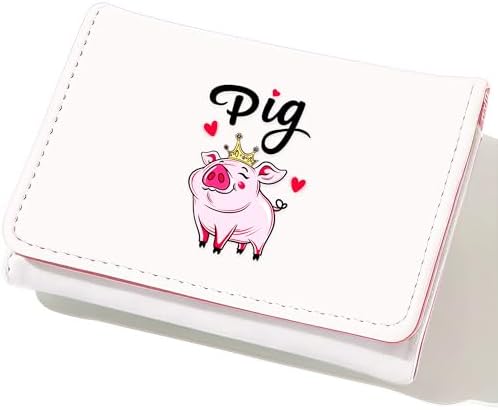
- The wallet offers 5 card slots, 1 clear window, 1 cash compartment.
- The small card wallet features a stylish pattern showcasing your personality, this wallet are made of premium PU leather…
- The size of our wallet is 4.2×3.2×0.86 inch, which is easy to put in your handbags, crossbody bags, sling bags or your p…
The Practical Verdict for Elderly Owners
A mini golden retriever can absolutely work as a calm companion dog for a senior household, but that outcome depends on individual temperament testing, realistic expectations about sustained energy through early adulthood, and honest evaluation of grooming and joint-care demands against the owner’s physical capacity. Don’t count on the “mini” label alone to deliver a low-energy result. The safest path for most senior dog breeds decisions, including this one, is prioritizing documented adult temperament over puppy potential, especially for owners without the physical reserve to manage a high-drive young dog. According to guidance published by the ASPCA, matching lifestyle and physical capacity to an individual animal’s demonstrated behavior remains the most reliable predictor of a successful long-term placement, a principle that applies directly to elderly owners evaluating any small dogs for elderly companionship, mini golden retriever included.
Frequently Asked Questions
Is a mini golden retriever actually calmer than a standard Golden Retriever?
Not reliably. Size reduction through crossbreeding does not consistently reduce activity drive or reactivity, since temperament traits are polygenic and inherited somewhat independently of body size. Some individual mini golden retrievers are calm, others retain the same moderate-to-high energy seen in standard retriever lines, particularly through age 3 to 4.
Why isn’t the mini golden retriever recognized by the AKC?
The mini golden retriever is a cross, typically between a Golden Retriever and a Poodle or Cocker Spaniel, rather than a standardized purebred line with generations of consistent selective breeding. Without that standardization, behavioral and physical traits show wider variation from litter to litter, which is why individual temperament testing matters more than the breed label itself.
What’s a better alternative to a mini golden retriever for a senior with limited mobility?
An adult rescue dog aged two years or older often makes a more predictable calm companion dog choice, since its adult temperament is already observable rather than projected from puppy behavior. Breeds like the Cavalier King Charles Spaniel or Shih Tzu also tend to show lower baseline energy, but individual evaluation still outweighs breed assumptions.
How much does breed actually predict a dog’s behavior?
According to the 2022 PLOS ONE study by Morrill and colleagues, which analyzed 2,155 dogs, breed accounted for only about 9% of behavioral variation. The remaining variation comes from individual genetics, early development, and socialization history, which means temperament testing of the specific animal matters far more than its breed or cross label.