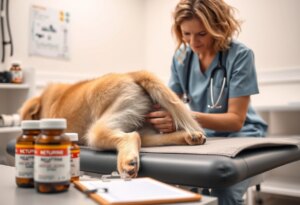


If your golden retriever fish smell has been making you wrinkle your nose every time your old boy walks by, I want you to know two things right off the bat: you’re not imagining it, and you’re not a bad pet parent for not knowing exactly why. That smell almost always traces back to one of a few very fixable things, anal gland trouble, dental disease, or a skin fold that’s gotten damp and funky. I’ve spent enough years elbow-deep in senior dog care at the sanctuary to tell you this odor is a message, not a mystery. Let’s figure out what your dog is trying to tell you.
Why Senior Golden Retrievers Develop That Fishy Odor
Here’s the honest truth about aging bodies, canine or human: things that used to work efficiently start to slow down. A young dog’s anal glands empty themselves naturally with every bowel movement. A senior dog carrying extra weight, with softer muscle tone and less daily movement, often can’t do that anymore. The result is a backup of fluid that smells exactly like low tide. That golden retriever fish smell you’re catching isn’t your dog being dirty. It’s usually his body telling you something mechanical has changed.
Dental disease piles on top of this. Senior mouths carry years of tartar, receding gums, and sometimes infected roots. That bacterial buildup doesn’t stay contained to the mouth, it seeps into breath, saliva, even the way a dog smells when he leans in for a nuzzle. And then there are skin folds, the soft creases around the neck, armpits, and tail base that trap moisture and bacteria if nobody’s checking them regularly. Put those three things together in an aging Golden, and you’ve got a dog who smells like something crawled out of the ocean and took a nap on your couch.
I’ve had sanctuary dogs come to me smelling like a fish market, and every single time, once we got underneath the surface, there was something real going on. A dog doesn’t smell that way for no reason. Our job is to get curious, not just cover it up with a bath.
The Anal Gland Connection Nobody Talks About Enough
This is the one that catches most families off guard. According to Cornell University’s College of Veterinary Medicine, up to 12% of dogs develop anal sac disease severe enough to require veterinary intervention, and that risk climbs in senior years as weight creeps up and core muscle tone fades. Those little glands sit on either side of the rectum, and when they’re working right, you’d never even know they exist. When they’re not, that unmistakable fishy dog smell shows up on furniture, bedding, and sometimes right on your hands after a good ear scratch turns into a full body pet.
I always tell folks at the sanctuary: if your senior dog is scooting across the carpet, licking under his tail more than usual, or you catch that sharp fishy odor out of nowhere, check the glands before you assume it’s something scarier. It’s a simple thing to have your vet or groomer express, and for some dogs, it becomes a monthly ritual. There’s no shame in that. Bodies age. We adapt. That’s the whole deal with loving an old dog.
Dental and Gum Disease: The Hidden Culprit Behind Dog Anal Gland Odor’s Cousin
The American Veterinary Dental College reports that more than 80% of dogs show signs of periodontal disease by age three. Now imagine what that looks like by the time your Golden is nine, ten, or twelve, especially if dental care wasn’t prioritized earlier in life. Rotting teeth and inflamed gums don’t just cause bad breath. They create a whole ecosystem of bacteria that can contribute to an overall unpleasant smell that gets confused with a “fishy” odor, especially when combined with drool that pools in the mouth folds of a senior dog.

This is where choosing the right senior dog food actually matters more than people realize. Diet affects saliva composition, plaque buildup, and even gut health, all of which tie back into how your dog smells from the inside out. I’ve watched dogs’ breath and coat improve dramatically just from a thoughtful food switch paired with consistent dental care. It’s not magic. It’s just paying attention to the whole dog, not just the symptom in front of you.
Feeding a quality, protein-forward diet like Wellness CORE Adult Dry Dog Food, Grain Free Kibble supports healthier digestion and can reduce some of the internal contributors to odor, especially when paired with regular dental checks. It won’t fix an infected tooth, but it gives your senior’s whole system a better foundation to work from.

- GRAIN-FREE ADULT DRY DOG FOOD: Premium protein from responsibly sourced lamb is expertly balanced with nutrient rich sup…
- LEANER BODY MASS AND MUSCLE TONE: Based on the nutritional philosophy that dogs thrive on a natural diet mainly comprise…
- SUPPORTS HEALTHY COAT & HEART: Guaranteed levels of omega fatty acids from ingredients such as flaxseed and salmon oil s…
Practical At-Home Checks Before You Panic
Before you assume the worst, walk through this short checklist. Most of the time, the source of that golden retriever fish smell is something you can spot yourself with a little patience and a flashlight.
- Check the anal area. Look for redness, swelling, or a small amount of discharge near the base of the tail. Gentle pressure (if your vet has shown you how) can sometimes release built-up fluid.
- Look inside the mouth. Brown tartar buildup, red or bleeding gums, and loose teeth are red flags that dental disease is contributing to the odor.
- Inspect skin folds and ears. Warm, moist areas that never fully dry out become breeding grounds for yeast and bacteria, which carries its own distinct smell.
- Review the diet and any fish oil supplements. Over-supplementing omega-3s or using a low-quality fish oil can actually cause a fishy body odor on its own. Check the dosage against your dog’s weight.
- Note behavior changes. Scooting, excessive licking, head shaking, or reluctance to be touched near the tail all point toward discomfort worth investigating.
None of this requires a degree in veterinary medicine. It just requires slowing down enough to actually look at your dog instead of just loving him from a distance on the couch.
Vet-Approved Products and Solutions for Senior Dog Hygiene
Once you’ve identified the likely source, there are gentle, effective ways to manage it at home alongside your vet’s guidance. For anal gland maintenance, unscented hypoallergenic wipes designed for sensitive senior skin can help keep the area clean between expressions. For dental support, daily dental chews combined with a soft-bristle toothbrush routine can slow the progression of gum disease considerably, and consistency matters far more than intensity here.
Training treats can double as a bonding tool while you build a routine your senior dog actually looks forward to, rather than dreads. Something like Pupford Soft & Chewy Training Treats for Dogs & Puppies works well for dogs with sensitive teeth or gums since they’re soft enough to not aggravate sore spots while still being a meaningful reward for holding still during a gland check or teeth brushing session.

- High Value, Irresistible Flavor: Pups love the taste and aroma, making training sessions more effective and enjoyable
- High-Quality Ingredients: Made in the USA with clean, simple ingredients, starting with pork – nothing artificial and no…
- Low-Calorie: Less than 2 kcal per treat and high in protein, perfect for frequent rewarding without worry
If your senior Golden also struggles with joint stiffness alongside these hygiene issues (which is common, since less mobility often means less self-grooming and more skin fold moisture buildup), it’s worth looking at joint supplements built for aging Golden Retrievers. Better mobility often means your dog can groom and position himself more comfortably, which indirectly helps with odor control too. Everything in an old dog’s body is connected. That’s just the nature of aging gracefully.
Comparing Your Options for Managing Fishy Dog Smell
Here’s a straightforward look at how these approaches stack up, so you can decide what fits your dog’s specific situation and your budget.

| Product/Approach | Best For | Price Tier | Notes |
|---|---|---|---|
| Wellness CORE Grain Free Kibble | Overall digestive and skin health support | $$$ | Protein-forward formula, may reduce internal odor contributors |
| Anal Gland Wipes/Cleansing System | Direct anal gland hygiene between vet visits | $$ | Gentle, unscented formulas recommended for sensitive senior skin |
| Pupford Soft & Chewy Training Treats | Reward-based cooperation during grooming and dental care | $$ | Soft texture, easier on sore senior gums and teeth |
| Vet-Expressed Anal Gland Appointment | Moderate to severe anal gland impaction | $$$$ | Non-negotiable if there’s swelling, discharge, or bleeding |
| Professional Dental Cleaning | Advanced periodontal disease contributing to odor | $$$$$ | Requires vet evaluation, often includes anesthesia and X-rays |
When It’s a Home Fix vs. When You Call the Vet, No Exceptions
I want to be direct with you here, because gentle honesty is part of how I show up for this community. Some fishy odors are simple hygiene issues. Others are your dog quietly suffering, and waiting it out isn’t kindness, it’s avoidance. If you see any bleeding, open sores, a swollen or discolored area near the tail, or your dog seems to be in pain when touched, that’s a same-week vet visit, not a “let’s watch it for another month” situation.
Honestly, who thinks it’s fine to let a dog limp along smelling awful and clearly uncomfortable for weeks on end just because a vet visit feels inconvenient?? This is a sacred trust we take on when we bring these animals into our homes and our hearts. Our senior dogs gave us their best years. The least we owe them is showing up fully for the harder, messier parts of their aging too.
If the odor is mild, intermittent, and your dog seems otherwise comfortable and happy, home management paired with routine vet checkups is usually plenty. Trust your gut. You know your dog’s baseline better than anyone, and any noticeable shift from that baseline deserves attention.
Building a Sustainable Hygiene Routine for the Long Haul
Managing dog anal gland odor and dental-related smells isn’t a one-time fix, it’s a rhythm you build into your week. Pick a day, maybe Sunday morning with coffee in hand, and make it your standing check-in: teeth, ears, skin folds, and a quick glance near the tail. Keep it calm, keep it slow, and reward your dog generously for cooperating.
A supportive calming bed designed for senior dogs can also make a real difference here, since dogs who rest more soundly tend to self-groom more consistently and experience less overall skin irritation from restless shifting and pressure sores. Comfort and hygiene are more connected than most people realize.
The golden retriever fish smell that started this whole conversation doesn’t have to be a permanent fixture in your home. With consistent attention, the right products, and a vet partnership you trust, most cases resolve or become easily managed within a few weeks. Your dog isn’t broken. He’s aging, and aging asks a little more of us as caregivers. That’s not a burden. That’s the privilege of loving someone long enough to grow old together.
Frequently Asked Questions
Why does my senior Golden Retriever suddenly smell like fish?
A sudden golden retriever fish smell is most often linked to anal gland impaction, which becomes more common in senior dogs due to weight gain and reduced muscle tone. Dental disease and skin fold infections are the next most likely causes, so a quick check of the mouth, tail area, and skin creases is a good first step.
Can diet cause a fishy dog smell?
Yes. Over-supplementing fish oil or feeding a low-quality omega-3 product can cause a fishy body odor on its own. It’s worth reviewing dosage against your dog’s weight and switching to a properly formulated senior dog food if you suspect diet is contributing to the smell.
How often should anal glands be checked in senior dogs?
Many senior dogs benefit from a professional anal gland check every four to six weeks, though this varies by individual dog. If you notice scooting, excessive licking, or a strong odor between visits, it’s reasonable to schedule an earlier appointment rather than waiting.
Is a fishy smell always a sign of a medical problem?
Not always, but it’s rarely nothing either. A mild, occasional fishy dog smell can sometimes be explained by diet or a skipped grooming session. A strong, persistent, or worsening odor almost always points to an anal gland, dental, or skin issue that deserves a closer look from your veterinarian.
Tell your pup I said Hi! — Dawn