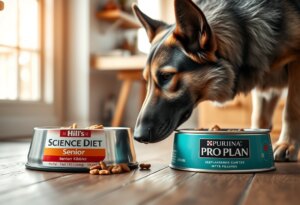
Senior dog food isn’t just a marketing category, it’s a physiological necessity once your dog’s metabolism, muscle mass, and sensory systems start shifting with age. As a behaviorist, I get asked constantly whether switching foods is really worth the fuss. The data says yes, but not for the reasons most bags of kibble advertise. The real story lives in resting metabolic rate, protein turnover, and joint biochemistry, not in vague phrases like “tailored for seniors” printed on the front of the bag.
Let’s get the framework straight before we talk about a single ingredient. Aging changes your dog’s body in measurable, predictable ways, and the right senior dog food should respond to those changes point by point, not just swap a puppy photo for a gray-muzzled one on the packaging.
The Metabolic Shift: Why Calorie-Dense Formulas Can Backfire
Here’s something that surprises a lot of owners: aging dogs experience a measurable decline in resting metabolic rate, and according to the AAHA Senior Care Guidelines (2019), that decline can reach as much as 20 percent. That’s not a rounding error. It means the same bowl of food that kept your dog lean at age four can quietly pack on weight by age nine, even if activity levels only drop a little.
This is where owners often misread the “senior formula” label. Some senior dog food products are actually calorie-dense, marketed toward active, working seniors rather than the average retired house dog snoozing on an orthopedic bed for sixteen hours a day. If your dog isn’t logging the miles anymore, a calorie-dense senior dog food can work against you, contributing to obesity, which then compounds joint pain and cardiovascular strain. Obesity in senior dogs isn’t a cosmetic issue, it’s a mechanical and metabolic one that accelerates the very decline you’re trying to slow down.
The fix isn’t complicated, but it does require reading past the front label. Check the kcal/cup or kcal/kg figure on the bag (usually printed near the guaranteed analysis or on the manufacturer’s website) and compare it against your dog’s actual daily activity, not their breed’s historical activity level. A Labrador who used to hike every weekend but now manages two slow walks a day needs a formula calibrated to that reality, not to the breed stereotype.
The Protein Myth: Why Less Isn’t More
This is the misconception I correct most often in clinical consults, and it’s worth being direct about it. For decades, conventional wisdom held that aging dogs need less protein to “protect the kidneys.” The data contradicts this, at least for healthy seniors without diagnosed renal disease. A 2018 study published in the Journal of Animal Science found that restricting protein in aging dogs without kidney impairment actually accelerates lean muscle loss, worsening a condition called sarcopenia (age-related muscle wasting).

Sarcopenia matters more than most owners realize because muscle mass is directly tied to mobility, balance, and even cognitive resilience in older dogs. A dog losing muscle faster than expected is a dog at higher fall risk, slower recovery from illness, and reduced capacity to compensate for joint pain. So the senior dog food question isn’t “how do I reduce protein,” it’s “how do I maintain or increase high-quality, digestible protein” unless your veterinarian has specifically diagnosed renal insufficiency through bloodwork.
Don’t count on a “senior” label alone to guarantee this. Some formulas marketed for older dogs actually reduce protein as a default, riding on outdated assumptions rather than current research. Hill’s Science Diet Adult 7+ Dry Dog Food is one of the more clinically grounded options here, formulated with veterinarian input and a protein profile designed to support lean muscle rather than restrict it unnecessarily.

- Healthy heart, kidneys, and bladder supported by antioxidants and balanced minerals
- Lean muscles supported with high-quality protein
- Made with natural ingredients
If your dog’s bloodwork shows elevated BUN or creatinine, that’s a different conversation entirely, one that belongs with your veterinarian, not a blog post. But for the majority of otherwise healthy senior dogs, adequate protein is protective, not harmful.
Joint and Cognitive Support: Reading Past the Marketing Claims
Glucosamine and chondroitin show up on nearly every senior dog food bag now, and that’s a good sign in principle. The problem is dosing. A bag can technically contain glucosamine and still deliver a clinically insignificant amount, because AAFCO does not mandate a minimum therapeutic threshold for these compounds in pet food. This is a case where “it’s on the label” and “it’s effective” are two very different claims.
For meaningful joint support, look for formulas that disclose actual milligram amounts per serving, not just an ingredient list mention. Clinical studies on osteoarthritis management in dogs generally reference glucosamine doses in the range of 15 to 20 mg per kilogram of body weight daily, so if a food doesn’t disclose dosing at all, treat the joint-support claim as promotional rather than therapeutic. In many cases, dogs with diagnosed joint disease will need a dedicated supplement layered on top of diet, not diet alone.
DHA and EPA (omega-3 fatty acids) deserve the same scrutiny, particularly for cognitive support. These fatty acids are structural components of neural membranes, and adequate intake has been associated with better cognitive performance in aging dogs in several veterinary nutrition studies. NUTRO NATURAL CHOICE Adult Dry Dog Food includes fish-based omega sources that support this need, and it’s worth checking the guaranteed analysis panel for actual DHA/EPA percentages rather than assuming presence equals sufficiency.

- Supports Whole-Body Health: NUTRO NATURAL CHOICE Adult Dry Dog Food is made with essential nutrients and antioxidants to…
- Made With Real Lamb: Real lamb is the #1 ingredient in this protein-rich recipe
- Supports Healthy Skin & Coat: Made with high-quality protein, this delicious dry dog food also contains Omega 3 & 6 fatt…
Don’t count on any single bag of senior dog food to reverse cognitive decline once it’s underway. If you’re seeing disorientation, altered sleep-wake cycles, or house-soiling in a previously trained dog, that’s a conversation for a veterinary behavior workup, not a diet swap. Diet can support brain health, but it isn’t a treatment for canine cognitive dysfunction on its own.
The single biggest mistake I see in senior dog nutrition consults isn’t a bad food choice, it’s an untested assumption. Owners assume “senior” on the label means the formula fits their specific dog’s metabolic rate, muscle condition, and joint status. It rarely does without cross-referencing the actual data on the bag against your dog’s own bloodwork and body condition score.
Digestive and Sensory Considerations: Smell, Texture, and Dental Reality
Palatability problems in senior dogs are rarely about pickiness. They’re about biology. Olfactory acuity declines with age, and since dogs rely heavily on smell to trigger appetite, a food that smelled irresistible at age three can seem bland and uninteresting at age eleven. This is a sensory processing issue, not a behavioral one, and it’s a common reason owners mistakenly assume their senior dog is “just being difficult” about meals.

Texture matters just as much, particularly for dogs with dental disease, tooth loss, or oral pain, which affects a large percentage of dogs over age seven according to veterinary dental surveys. A kibble that’s too large or too hard can cause a dog to avoid chewing altogether, swallowing pieces whole or abandoning the bowl. If you notice hesitancy at mealtime, dropped kibble, or a preference for wet food mixed in, that’s diagnostic information, not a training problem to correct.
IAMS PROACTIVE HEALTH Mature Adult Dry Dog Food uses a smaller kibble format that tends to work well for dogs transitioning through dental changes, and pairing a more aromatic formula with a mild warm-water soak can help compensate for diminished scent detection without switching to a fully wet diet if you’d rather not.

- Veterinarians Recommend IAMS: This IAMS Senior Dog Food Recipe is made with real chicken as the #1 ingredient and contai…
- Mental & Visual Sharpness: This IAMS dog food for senior dogs contains DHA Gold to promote mental and visual sharpness i…
- Supports Vital Organs: IAMS Proactive Health Healthy Aging Senior Dog Food supports vital organs with essential nutrient…
If your dog is a large breed and you’re weighing several senior formulas at once, our Best Senior Dog Food for Large Breeds (2026 Guide) breaks down size-specific formulation differences in more depth, since large breeds face a distinct set of joint and metabolic timelines compared to smaller dogs.
Comparing Senior Dog Food Options Side by Side
Before settling on a senior dog food, it helps to see the core specs lined up together rather than judging each bag in isolation. Below is a comparison of the three formulas discussed, focused on the metrics that actually matter for aging dogs: protein adequacy, joint support disclosure, and kibble characteristics.
| Product | Protein Focus | Joint/Cognitive Support | Kibble Texture | Best For | Price Tier |
|---|---|---|---|---|---|
| Hill’s Science Diet Adult 7+ | High-quality, muscle-maintaining protein | Vet-formulated, clinically informed nutrient profile | Medium, standard senior kibble size | Overall metabolic and muscle support in healthy seniors | $$$ |
| NUTRO NATURAL CHOICE Adult | Farm-raised protein source, natural formulation | Omega-3 (DHA/EPA) inclusion for cognitive support | Medium, natural ingredient kibble | Owners prioritizing natural ingredient sourcing | $$ |
| IAMS PROACTIVE HEALTH Mature Adult | Balanced protein for maintenance | Basic joint-supporting nutrient inclusion | Smaller kibble, easier for dental-sensitive dogs | Dogs with dental discomfort or smaller mouths | $$ |
A Practical Evaluation Protocol Before You Switch Formulas
Switching senior dog food shouldn’t be an impulse decision made in a pet store aisle. It should follow a short, structured evaluation process, the same way I’d approach any behavior or health intervention with a client’s dog. Here’s the checklist I recommend:
- Confirm the AAFCO life-stage statement. The bag should explicitly state it’s formulated for “maintenance of adult dogs” or specifically for senior/mature life stages, not just carry senior branding without AAFCO substantiation.
- Pull recent bloodwork. Kidney values (BUN, creatinine), thyroid panel, and a body condition score should inform whether you need a protein-forward formula or a renal-support diet. Don’t guess.
- Check the guaranteed analysis for actual joint-support dosing. If glucosamine or chondroitin amounts aren’t disclosed in milligrams, assume the claim is more marketing than therapeutic.
- Assess kcal density against current activity level, not historical activity level. A dog who used to run agility courses but now walks slowly around the block needs recalculated portions.
- Observe mealtime behavior for two weeks after any switch. Track appetite, stool consistency, energy after eating, and any hesitancy at the bowl. Behavioral data here is just as diagnostic as lab values.
This protocol matters more for certain breeds than others. If you’re managing a mixed breed with unpredictable aging timelines, our guide on Pitbull Golden Retriever Mix Lifespan expectations covers how hybrid vigor and breed-specific risk factors can shift when senior nutrition adjustments should actually begin. Aging onset also varies significantly by breed category, which is why our comparison of German Shepherd vs Labrador senior age and mobility onset is worth reviewing if you’re trying to time a senior dog food transition against real physiological markers rather than a birthday on the calendar.
Key Takeaways
- Aging dogs can experience up to a 20 percent decline in resting metabolic rate, so calorie-dense senior dog food isn’t automatically the right fit for less active dogs.
- Healthy senior dogs without kidney disease generally need equal or higher protein, not restricted protein, to counter sarcopenia.
- Joint and cognitive support claims should be verified through actual milligram dosing, not just ingredient presence on the label.
- Diminished smell and dental changes affect palatability and kibble preference, and this is sensory biology, not stubbornness.
- Always cross-reference AAFCO life-stage statements and current bloodwork before switching senior dog food formulas.
For a broader look at the physiological changes behind these dietary needs, the American Kennel Club maintains detailed resources on senior dog health markers that pair well with any nutrition-focused conversation with your veterinarian.
Frequently Asked Questions
At what age should I switch my dog to senior dog food?
There’s no single universal age, since it depends heavily on breed size and individual health markers rather than a fixed birthday. Large breeds often show senior physiological changes as early as five to six years, while smaller breeds may not need a formula switch until closer to ten. The better trigger is a documented decline in activity level or early bloodwork changes, not a calendar date, so discuss timing with your veterinarian using actual body condition and lab data.
Do senior dogs really need less protein in their diet?
No, and this is one of the most persistent myths in aging dog nutrition. Research published in the Journal of Animal Science found that restricting protein in healthy senior dogs without kidney disease actually accelerates muscle loss rather than protecting organ function. Protein restriction should only occur under direct veterinary guidance following a diagnosis of renal insufficiency, not as a general aging precaution.
Are glucosamine and chondroitin in senior dog food actually effective?
It depends entirely on dosing, which many bags don’t clearly disclose. Ingredient presence alone doesn’t guarantee a therapeutic dose, since AAFCO doesn’t mandate minimum thresholds for these compounds in commercial dog food. For dogs with diagnosed joint disease, a dedicated veterinary-recommended supplement layered on top of a quality senior dog food is usually more reliable than depending on diet alone.
Why has my senior dog suddenly become picky about food?
Sudden pickiness in an older dog is more often sensory than behavioral. Olfactory acuity declines with age, reducing the smell cues that normally trigger appetite, and dental discomfort can make certain kibble textures unappealing or painful to chew. Rather than assuming stubbornness, check for signs of oral pain and consider a more aromatic senior dog food or a warm-water soak to enhance scent before assuming a training issue is at play.