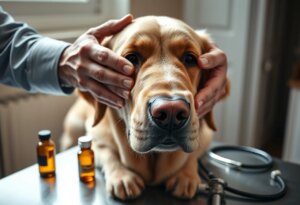


Joint pain relief for senior dogs works best when it matches the actual stage of arthritis your dog is in, not the stage you assume they’re in based on how they look. That distinction matters more than most owners realize, because dogs are biologically wired to hide the exact symptoms we’re trying to catch early. As a behaviorist, I spend a lot of time explaining to clients why their “suddenly stiff” 10-year-old Lab has probably been in pain for months. The stiffness isn’t sudden. The visible sign is just the last domino to fall.
Why Dogs Hide Pain Until It’s Obvious
Domestic dogs retain a lot of behavioral wiring from their wild ancestors, and one piece of that wiring is pain masking. In a social carnivore that once depended on group cohesion and predator avoidance to survive, showing weakness carried a real cost. Limping animals got left behind or targeted. So the behavioral tendency to suppress outward signs of pain, especially chronic, low-grade pain, stuck around even though your Golden Retriever’s biggest threat these days is a wet floor.
This is why owners consistently underestimate how long their dog has been dealing with joint discomfort. By the time you see a limp, the dog has usually been compensating for weeks or months. The earlier behavioral tells are subtler and easy to write off as “getting old” or “getting lazy.” Watch for:
- Hesitation before jumping onto furniture or into the car, even a brief pause before committing
- Descending stairs more slowly than ascending them (going down loads the joints differently)
- A shift in sleep posture, particularly avoiding fully extending the hips or lying only on one side
- Reduced interest in play that involves quick direction changes
- Increased irritability when touched near the hips, shoulders, or lower back
None of these are dramatic. That’s the point. If you’re waiting for a limp to act, you’re acting later than you should be. The goal of any joint pain relief for senior dogs plan is to intervene at the hesitation stage, not the limp stage.
What the Nutraceutical Data Actually Shows
Glucosamine and chondroitin supplements are the most heavily marketed joint pain relief for senior dogs on the market, and owners often expect them to work like a switch. The research doesn’t support that expectation, but it doesn’t dismiss the category either. A 2020 study published in Frontiers in Veterinary Science tracked dogs with confirmed osteoarthritis over a 70-day period and found that glucosamine/chondroitin combinations produced a measurable, but modest, improvement in mobility scores compared to baseline.
Here’s where I have to be honest about the contradictory data, because pretending the science is settled does a disservice to owners trying to make informed decisions. Other controlled trials on the same supplement class have shown null results, meaning no statistically significant difference from placebo. The variation likely comes down to formulation quality, dosing consistency, and how advanced the arthritis already was when the trial started. Dogs with early-stage joint changes seem to respond better than dogs with severe, long-standing degeneration.
The practical takeaway: nutraceuticals are a reasonable adjunct, not a primary treatment for a dog already showing significant pain behavior. Set your expectations at “gradual, partial support” rather than “resolution.” If you’re also researching pharmaceutical options, our detailed breakdown of the 5 Best OTC Arthritis Medicine for Dogs in 2026 covers dosing considerations that a vet will want to discuss alongside any supplement regimen.
Comparing the Relief Categories: NSAIDs, Nutraceuticals, and Adjunct Therapies
Owners frequently ask me to just tell them which option is “best.” There isn’t one best option, because each category solves a different part of the problem. NSAIDs like carprofen and meloxicam address active inflammation and tend to produce the fastest, most noticeable behavioral improvement, often within 3 to 7 days. But they carry real risk profiles, including gastrointestinal and renal side effects with long-term use, which is why routine bloodwork monitoring matters.
Nutraceuticals work on a longer timeline, typically 6 to 8 weeks before any measurable change, and their effect size is smaller. Adjunct therapies like laser therapy, hydrotherapy, and acupuncture sit somewhere in between. They’re lower risk than NSAIDs but require more owner time investment (multiple sessions, travel to a facility) and the evidence base, while growing, is still less robust than for pharmaceutical intervention.
For dogs whose arthritis has progressed further, some veterinarians now discuss injectable options as an alternative to daily NSAID dosing. If your dog’s case has reached that point, it’s worth reading our comparison of Synovetin OA Injection vs NSAIDs for Senior Dogs before your next vet visit, since the onset time and monitoring requirements differ substantially from oral medication.
The table below gives you a quick reference for how these categories stack up on efficacy, onset, and risk. This is a starting framework, not a prescription, since your vet needs to weigh your dog’s specific bloodwork and comorbidities.
| Relief Category | Typical Onset | Efficacy for Moderate-to-Severe OA | Primary Risk Profile | Price Tier |
|---|---|---|---|---|
| NSAIDs (carprofen, meloxicam) | 3-7 days | High | GI upset, renal/liver strain, requires bloodwork monitoring | $$ |
| Glucosamine/Chondroitin Nutraceuticals | 6-8 weeks | Low to Moderate (data mixed) | Minimal, mild GI upset possible | $$ |
| Injectable Joint Therapies | 1-2 weeks | Moderate to High | Injection site reaction, requires vet administration | $$$$ |
| Laser Therapy / Hydrotherapy / Acupuncture | 2-6 weeks (cumulative) | Moderate | Low physical risk, time and travel cost | $$$ |
| Human-Style Compression Support Sleeves (adapted use) | Immediate (mechanical support) | Low to Moderate (support only, not anti-inflammatory) | Minimal, fit and skin irritation checks needed | $ |
Don’t count on any single joint pain relief for senior dogs product to work miracles. The dogs who do best are the ones whose owners combine a modest medical intervention with consistent environmental management and weekly progress tracking, not the ones who found the “right” pill.
Antecedent Management: Fixing the Environment Before Reaching for Medication
Behaviorally speaking, antecedent management means changing the conditions that trigger a problem before the problem occurs, rather than only reacting after the fact. Applied to joint pain, this means modifying your dog’s physical environment so painful movements simply happen less often. The American College of Veterinary Surgeons’ guidelines on osteoarthritis management put environmental modification on equal footing with pharmaceutical treatment, not as an afterthought.
Practical antecedent changes that reduce pain-triggering movement include:
- Ramps at entry points and for car access, removing the jump-and-land force on hips and elbows
- Orthopedic memory foam bedding that distributes weight and reduces pressure point inflammation overnight
- Non-slip flooring runners on hardwood or tile, since slipping is both a pain trigger and a fall risk for arthritic joints
- Raised food and water bowls to reduce neck and shoulder strain during eating
- Consistent, moderate exercise instead of sporadic bursts, since joints stiffen faster with inactivity followed by overexertion
Sleep quality also deserves more attention than it typically gets. Dogs in chronic pain often develop disrupted sleep architecture, waking frequently to reposition, which compounds daytime irritability and anxiety-like behavior. If your senior dog is also showing nighttime restlessness or separation-related distress alongside joint pain, a supportive bed designed for both physical and emotional comfort can help on both fronts, our guide to the Calming Bed for Senior Dogs With Separation Anxiety walks through what to look for.

Human joint support products can occasionally be repurposed for at-home comfort management, particularly for owners managing their own arthritis alongside their dog’s. Products like the isotoner Arthritis Compression Gloves are designed for human joint compression, but understanding how mild, consistent compression therapy works on human joints gives owners a useful reference point when a vet recommends a canine-specific compression wrap for a dog’s wrist or hock.

Support Sleeves and Mechanical Aids: What They Can and Can’t Do
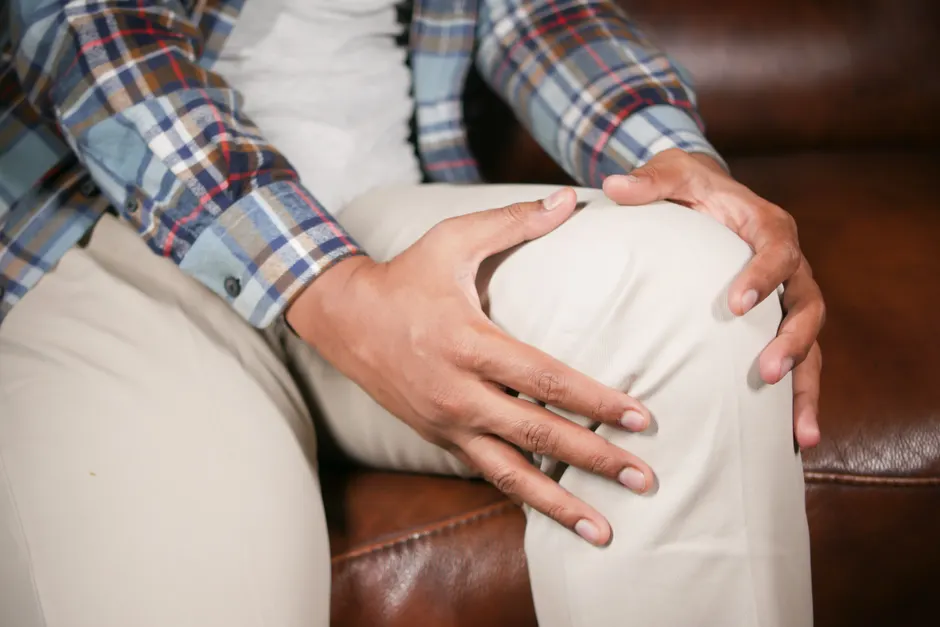
I get frequent questions about knee and elbow sleeves for dogs, usually from owners who have seen human versions and wonder if the same mechanical logic applies. It does, to a point. Compression sleeves work by providing joint stability and mild proprioceptive feedback, meaning the joint receives more sensory input about its position in space, which can reduce compensatory limping in mild cases. They are not anti-inflammatory and won’t touch the underlying degenerative process.
The UFlex Athletics Knee Brace Sleeve illustrates the mechanical support concept well, even though it’s built for human use. The compression and stabilization principle is the same reasoning behind veterinary-specific canine knee braces: reduce lateral joint wobble during weight-bearing movement, particularly useful for dogs recovering from CCL injuries that overlap with arthritis in the same joint.
Elbow arthritis is common in large-breed seniors and often gets less attention than hip dysplasia despite being equally painful. Infrared and compression combination sleeves, such as the Incrediwear Elbow Sleeve, use a blend of mechanical compression and thermal (infrared) technology intended to support circulation to the joint area. The evidence base for infrared textile therapy is still developing, so treat this as a comfort-focused adjunct rather than a primary treatment, similar in role to the nutraceutical category discussed earlier.

A Buyer’s Checklist and 6-Week Happiness Plan for Tracking Results
Choosing joint pain relief for senior dogs is only half the job. The other half is measuring whether it’s actually working, and most owners skip this step entirely, relying on gut feeling instead of data. Gut feeling is unreliable here because improvement is gradual and easy to miss day to day.
Buyer’s checklist before purchasing anything:
- Confirm arthritis stage and location with a vet exam or imaging, don’t guess based on behavior alone
- Check for drug interactions if your dog is on other medications (especially other NSAIDs or steroids)
- Match the product’s claimed onset time to your dog’s current pain severity (severe pain needs faster relief than a sleeve can offer)
- Verify sizing carefully for any mechanical support product, since a poor fit can worsen gait compensation
- Set a 4 to 6 week checkpoint before judging any nutraceutical or adjunct therapy as ineffective
The at-home mobility scoring exercise (repeat weekly): Score your dog from 0 (normal) to 3 (severe difficulty) on five simple tasks: rising from lying down, climbing stairs, jumping into a vehicle, walking the first 10 minutes after waking, and willingness to engage in a short trot. Total the score out of 15 and log the date. This isn’t a validated clinical instrument, but it gives you a consistent, comparable number week over week, which is far more useful than “he seems a little better maybe.”
A basic Happiness Plan case profile looks like this: define what “good quality of life” looks like specifically for your dog (for one dog it’s greeting visitors at the door, for another it’s managing two short walks daily), track your weekly mobility score against that baseline, and adjust the treatment plan only after a full 4 to 6 week window rather than reacting to single good or bad days. This structure keeps decisions grounded in trend data instead of anecdote, which is exactly the discipline that separates effective joint pain relief for senior dogs management from expensive guesswork.
For broader background on canine musculoskeletal aging, the American Veterinary Medical Association maintains updated public resources on arthritis in dogs that are worth reviewing alongside your vet’s recommendations.
Frequently Asked Questions
How do I know if my senior dog is actually in pain versus just slowing down with age?
Look for hesitation before jumping, slower stair descent compared to ascent, altered sleep positions, and reduced willingness to engage in quick-direction play. These behavioral tells typically appear weeks or months before an obvious limp, since dogs are wired to mask overt pain signals. A vet exam with joint palpation is the only way to confirm arthritis versus normal age-related slowing.
Are glucosamine and chondroitin supplements worth buying for joint pain relief for senior dogs?
The data is contradictory. Some controlled trials, including a 2020 study in Frontiers in Veterinary Science, showed modest mobility improvement over 70 days, while other trials found no significant difference from placebo. They’re reasonable as a long-term adjunct for early-stage arthritis, but shouldn’t be relied on as a primary treatment for dogs already showing clear pain behavior.
How quickly should I expect to see improvement after starting a joint pain relief plan?
NSAIDs typically produce noticeable behavioral change within 3 to 7 days. Nutraceuticals and adjunct therapies like laser or hydrotherapy take longer, generally 4 to 8 weeks of consistent use before you can fairly judge effectiveness. Using a weekly mobility scoring exercise helps you track gradual change objectively instead of relying on day-to-day impressions.
Can environmental changes really reduce joint pain without medication?
Environmental modification won’t reverse existing joint degeneration, but it meaningfully reduces the frequency of pain-triggering movements. Ramps, orthopedic bedding, and non-slip flooring lower the mechanical stress placed on arthritic joints throughout the day. The American College of Veterinary Surgeons includes these changes as a core part of osteoarthritis management, not just a supplementary measure.