
Senior dog food joint pain management works best when you understand what is actually happening beneath your dog’s stiff gait, not just what’s in the bag. Osteoarthritis affects an estimated 80% of dogs over age 8, according to data compiled by Canine Arthritis Management (2021), which means the slow, careful way your old dog gets up from the floor isn’t just “getting old.” It’s a measurable physiological process, and the food in his bowl is one of the few daily variables you have direct control over. This article breaks down the biology behind joint degeneration, walks through five specific formulas worth considering, and gives you a practical protocol for tracking whether a diet change is actually helping or just making you feel better.
Why Joint Pain Changes Behavior, Not Just Movement
I get a lot of owner reports that sound like personality shifts: “He’s grumpier,” “She doesn’t want to play anymore,” “He snapped at the kids for the first time.” Almost always, when we look closer, the real driver is pain, and the behavior is a secondary symptom. Chronic pain from osteoarthritis doesn’t just restrict range of motion. It alters the hypothalamic-pituitary-adrenal axis, keeping cortisol modestly elevated over long periods, which lowers a dog’s threshold for frustration and startle responses. A dog in low-grade daily pain is running on a shorter behavioral fuse because his stress physiology is already partially activated before anything else happens.
This matters for how you interpret what you’re seeing. A dog who used to greet the mail carrier and now barks defensively from the couch isn’t necessarily losing sociability. He may be protecting a body that hurts when he moves fast or gets jostled. If you’re also noticing odd reactivity around affection, like barking when you hug another family member, it’s worth ruling out pain-driven irritability before assuming it’s jealousy or anxiety driving the behavior. Gait changes are the more obvious signal: shortened stride, reluctance to jump into the car, slower descent on stairs, and a wider stance to redistribute weight off sore joints. Senior dog food joint pain formulas are designed to intervene at the cellular level that produces these outward signs, specifically by reducing the inflammatory cascade that sensitizes joint nerve endings.
The Nutritional Biology Behind Joint Support Diets
Three ingredient categories do most of the functional work in joint-support formulas, and understanding their mechanism helps you evaluate marketing claims critically rather than taking them on faith.
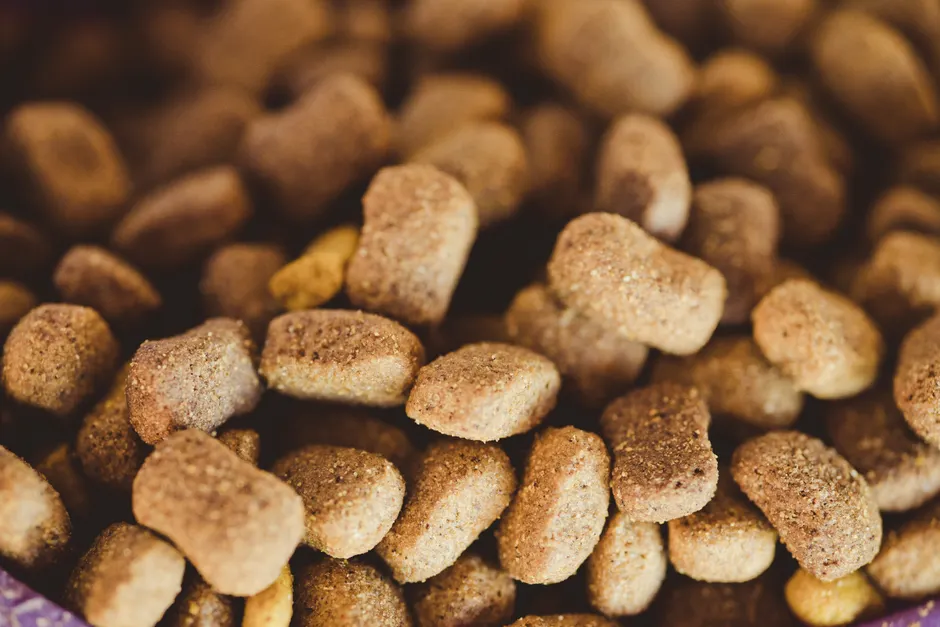
- Omega-3 fatty acids (EPA and DHA): These compete with arachidonic acid in cell membranes, shifting the body’s production of eicosanoids toward less inflammatory pathways. A 2020 study published in the Journal of Veterinary Internal Medicine found measurable improvement in weight-bearing scores in dogs with osteoarthritis after sustained omega-3 supplementation, using force-plate gait analysis rather than owner-reported comfort, which is a meaningfully objective measure.
- Glucosamine and chondroitin sulfate: These are cartilage matrix components that may support synovial fluid viscosity and slow further cartilage breakdown. The data here is genuinely contradictory. Some trials show modest benefit, others show no statistically significant difference from placebo. I tell owners to treat these as a reasonable adjunct, not a guaranteed fix.
- Caloric density and weight management: Every extra pound on an arthritic dog increases mechanical load on already compromised joints. A diet’s caloric profile matters as much as its supplement inclusions, sometimes more.
Don’t count on food alone to reverse existing cartilage damage. Joint-support nutrition is a management tool that reduces inflammatory load and supports comfort. It is not a regenerative therapy, and treating it as one delays dogs from getting the multimodal pain control they actually need.
Comparative Breakdown: 5 Best Senior Dog Foods for Joint Pain
Below is a side-by-side look at formulas and feeding-adjacent products that address different pieces of the joint pain puzzle, from the food itself to the vitamin support and feeding posture that affects neck and spine strain during meals.
| Product | Primary Function | Key Joint-Relevant Ingredients | Best For | Price Tier |
|---|---|---|---|---|
| ZEAL Canada Air-Dried Chicken Recipe | Complete air-dried diet, high protein density | Naturally sourced omega-3s, minimal processing to preserve nutrient bioavailability | Owners wanting a whole-food base diet with lower carbohydrate filler | $$$$ |
| Vita-Tabs Silver for Senior Dogs | Daily vitamin-mineral supplement | Multivitamin complex supporting joint and immune function alongside existing diet | Dogs on a good base diet that needs targeted micronutrient reinforcement | $$ |
| Tilted Feeding Bowl Stand | Ergonomic feeding posture support | Not a food, but reduces neck/spine flexion strain during eating | Dogs with cervical or shoulder arthritis affecting head-down posture | $ |
| Prescription Joint-Support Kibble (generic vet line) | Clinically formulated OA management diet | High-dose EPA/DHA, controlled calorie density, glucosamine/chondroitin | Dogs with confirmed osteoarthritis diagnosis under vet supervision | $$$$ |
| Fresh-Frozen Balanced Senior Formula | Whole-food raw or lightly cooked diet | High moisture content, natural anti-inflammatory fatty acid ratio | Owners with freezer space wanting minimally processed nutrition | $$$$$ |
Air-dried formulas occupy an interesting middle ground between raw and kibble. The processing method preserves more of the natural fatty acid structure than high-heat extrusion, which matters for a senior dog food joint pain strategy since heat degrades some omega-3 content before it ever hits the bowl. The ZEAL Canada Air-Dried Chicken Recipe for Dogs is worth evaluating if your dog does well on higher protein density and you want to reduce carbohydrate filler that contributes to unnecessary weight gain in a less active senior.
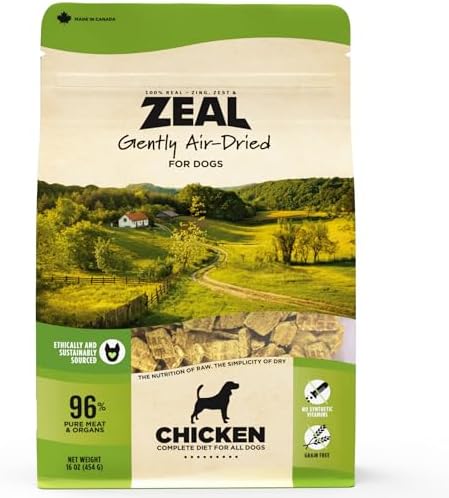
- 96% Free-Range Chicken and Organs for Optimal Health: Made with free-range chicken, liver, gizzard, and heart, providing…
- Natural and Organic Superfoods for Complete Wellness: Enriched with ethically sourced green-lipped mussels for joint sup…
- Air-Dried to Retain Nutrients Naturally: Our gentle air-drying process locks in all the nutrients without synthetic addi…
Supplementing the Diet Without Overcomplicating It
A frequent owner error is stacking three or four supplements simultaneously, then having no way to isolate which one is doing anything. If your dog’s base diet is nutritionally sound but you suspect gaps in micronutrient coverage, particularly in dogs eating home-prepared or lower-tier commercial diets, a targeted multivitamin can round out the picture without introducing a whole new caloric burden. Vita-Tabs Silver for Senior Dogs is formulated specifically for the geriatric metabolic profile, which differs from adult maintenance needs in ways that matter for joint and immune support.

- Comprehensive Nutrition: Vita-Tabs provide a balanced blend of essential vitamins and minerals to support your dog’s ove…
- Immune System Support: Packed with antioxidants, these tabs help strengthen your dog’s immune system, promoting a robust…
- Healthy Coat and Skin: The inclusion of Omega-3 fatty acids contributes to a lustrous coat and healthy skin, ensuring yo…
One variable owners consistently overlook is feeding posture. A dog with cervical spondylosis or shoulder arthritis experiences real discomfort bending down to a flat bowl on the floor, and that discomfort can create mealtime avoidance that looks like appetite loss but is actually a postural pain response. A Tilted Feeding Design Raised Bowl Stand reduces the degree of neck flexion required to eat, which is a small environmental modification with outsized behavioral payoff for arthritic dogs.

- 【package includes】This elevated dog bowl set includes a three-height adjustable dog stand, an 8.5 x 16.5-inch non-slip m…
- 【15° Tilted Elevated Bowls】Veterinary-designed dog bowls elevated feature a 15° tilted feeding platform that aligns with…
- 【3-Height Adjustable Stand】Customize your raised dog bowl to 3 exact heights (4.9″/8.7″/12.4″)! This adjustable elevated…
Common Misconceptions About Diet and Joint Damage
The most persistent myth I encounter is the belief that switching to a joint-support formula will reverse existing cartilage loss. Cartilage has minimal regenerative capacity in adult dogs. What a good senior dog food joint pain formula can realistically do is slow the inflammatory feedback loop that accelerates further degeneration and improve comfort enough to support modest activity, which itself protects surrounding musculature. Diet is one lever in a multimodal pain management plan that should also include, depending on severity, veterinary-prescribed NSAIDs, physical rehabilitation, weight management, and environmental modification like ramps and orthopedic bedding.
If you’re seeing significant hind-limb weakness or a persistent bunny-hopping gait, food changes should be paired with a proper diagnostic workup and consideration of dedicated treatment options. Our detailed breakdown of dog arthritis treatments for hind leg pain covers pharmaceutical and rehabilitative interventions that work alongside dietary strategy, not instead of it.
Genetics also plays a quieter role than owners expect. Breed and mixed-breed structure affect joint loading patterns over a lifetime, which is part of why certain designer mixes show earlier orthopedic wear than their component breeds might predict individually, a factor worth understanding if you’re choosing a breed and want to anticipate future joint needs, similar to considerations we’ve mapped out comparing Goberian and Shepsky structural traits for active family households.

A 4 to 6 Week Implementation Protocol
Diet transitions in senior dogs, especially those with sensitive gastrointestinal systems, need to be gradual and tracked with actual data, not vague impressions. Here’s the protocol I recommend to clients:
- Week 1: Introduce the new diet at 25% of total volume, mixed with the existing food. Log stool quality daily.
- Week 2: Increase to 50%. Begin a simple mobility log: time it takes to stand from lying down, willingness to climb stairs, and any vocalization on movement.
- Week 3: Move to 75% new diet. Note any changes in appetite enthusiasm or mealtime avoidance behaviors, since these often signal postural discomfort separate from the food itself.
- Week 4: Complete transition to 100%. Compare mobility log entries against week 1 baseline.
- Weeks 5 to 6: Continue logging. Look for trend lines rather than single-day fluctuations, since pain presentation varies with weather, activity, and sleep quality independent of diet.
If you see no measurable change in the mobility log by week 6, that’s useful information too. It tells you the diet alone isn’t sufficient and it’s time to loop in your veterinarian about additional pain management layers. According to the American Veterinary Medical Association, senior pets benefit from biannual wellness exams specifically because degenerative conditions like osteoarthritis progress in ways that require periodic reassessment, not a one-time diet decision.
Choosing the Right Senior Dog Food Joint Pain Formula for Your Dog
There isn’t a single best answer here, because the right formula depends on your dog’s weight status, GI tolerance, existing medication interactions, and how advanced the joint disease already is. A dog in early-stage stiffness has more flexibility to try whole-food or air-dried options. A dog with diagnosed moderate to severe osteoarthritis usually does better on a clinically formulated therapeutic diet under direct veterinary guidance, where EPA/DHA dosing is precise rather than estimated. What matters most is that you’re evaluating senior dog food joint pain claims against actual ingredient concentrations and caloric profiles, not marketing language on the packaging.
Frequently Asked Questions
Can switching to a senior dog food joint pain formula actually reduce arthritis symptoms?
It can meaningfully reduce inflammatory markers and improve comfort, particularly with adequate EPA and DHA dosing, but it will not reverse existing cartilage damage. Think of it as one component of a broader pain management plan rather than a standalone cure.
How long before I notice a difference after switching to arthritis dog food?
Most omega-3 driven changes take 4 to 6 weeks of consistent feeding to show measurable effects on weight-bearing and mobility. Track a daily mobility log rather than relying on subjective day-to-day impressions, since pain presentation fluctuates with weather and activity.
Is joint supplement dog food enough without additional medication?
For mild, early-stage stiffness, diet alone sometimes provides sufficient relief. For dogs with confirmed moderate to severe osteoarthritis, diet should be paired with veterinary-prescribed pain management, since the underlying joint degeneration typically requires more direct intervention than nutrition can provide on its own.
What ingredients should I avoid in dog food for arthritis?
Watch for excessive carbohydrate fillers that contribute to weight gain, since added body weight directly increases mechanical stress on arthritic joints. Also be cautious of vague “meat meal” ingredient sourcing, which makes it harder to verify actual omega-3 content and quality.