
Royal canin senior formulas get recommended constantly in veterinary waiting rooms, but the question I get most from clients isn’t whether the brand is reputable. It’s whether the specific formula in their cart actually matches what their individual dog’s aging body needs. The short answer: royal canin senior food is a solid nutritional choice for many aging dogs, but “good” is not a fixed property of a bag of kibble. It’s a measurable outcome you verify in your own dog’s stool, weight, and energy over time. Let’s get into the actual physiology first, because that’s where most feeding decisions go wrong.
What Aging Bodies Actually Require: The WSAVA Framework
Geriatric dogs are not just smaller-appetite versions of adult dogs. Their metabolic and gastrointestinal systems change in specific, measurable ways, and the World Small Animal Veterinary Association (WSAVA Global Nutrition Guidelines) lays out the parameters clinicians use to evaluate any senior formula. Three variables matter most:
- Reduced caloric density. Aging dogs typically lose lean muscle mass and slow their basal metabolic rate. A formula that hasn’t adjusted its kcal/cup downward from the adult maintenance version will produce weight gain even at identical portion sizes, which then compounds joint stress in dogs who already have reduced mobility.
- Joint-support additives. Glucosamine, chondroitin, and EPA (an omega-3 fatty acid) show measurable benefit for cartilage maintenance and inflammatory modulation, though the effect size is modest and dose-dependent, not the dramatic reversal marketing copy sometimes implies.
- Digestible, moderate-protein sources. The old assumption that aging dogs need protein restriction to protect kidney function has been largely walked back in the veterinary literature. Healthy senior dogs generally do better on adequate, highly digestible protein, not restricted protein. Restriction is a kidney-disease-specific intervention, not a default aging protocol.
Keep those three variables in mind because they’re the actual test criteria we’ll apply to any bag on the shelf, royal canin senior included.
Royal Canin Senior Formulas, Ingredient by Ingredient
Royal Canin markets two relevant senior lines: Aging 12+ and the Senior Consult (Small Dog/Mature) range, plus breed-size-specific senior formulas. When you compare the guaranteed analysis panels against AAFCO adult maintenance minimums (18% crude protein, 5.5% crude fat), royal canin senior formulas generally sit above the floor, not at it. Aging 12+ typically runs in the mid-20s for protein percentage with fat trimmed down relative to their adult formulas, and it includes EPA/DHA from fish oil along with glucosamine and chondroitin listed in the ingredient panel.

What’s notable is the kibble texture and size adjustment, which isn’t a marketing gimmick. Dogs over 12 often have reduced bite force and dental attrition, and Royal Canin’s smaller, softer kibble shape in the Aging 12+ line reduces mastication effort measurably compared to standard adult kibble geometry. That’s a legitimate age-specific engineering choice, not filler differentiation.
Where I want owners to slow down is the antioxidant and fiber blend claims. Royal Canin includes a vitamin E/C antioxidant complex and adapted fiber content for stool quality, both of which are appropriate inclusions for cognitive and digestive senior support. But the magnitude of these effects in a healthy dog without diagnosed cognitive decline is modest. Don’t count on antioxidant blends to reverse or dramatically slow cognitive dysfunction. Think of them as a supportive input in a larger management plan, not a standalone treatment.
The “Prescription Equals Superior” Myth
“When calorie control was held equal across diet groups, researchers found no statistically significant difference in longevity outcomes between premium commercial senior diets. Brand prestige and prescription framing did not, on their own, predict better outcomes.”
A 2022 analysis published in the Journal of Veterinary Internal Medicine looked at longevity data across multiple premium commercial senior diets and found that once caloric intake was controlled for, the diets performed comparably. This matters because a lot of owners walk into feeding decisions assuming that a veterinary-branded or prescription-adjacent product is inherently biologically superior to a well-formulated over-the-counter senior diet. The data doesn’t support that as a blanket rule. It supports something more useful and more specific: calorie control, digestibility, and formula-to-dog fit predict outcomes better than brand loyalty does.
This is why I tell clients to stop asking “which brand is best” and start asking “which formula’s protein, fat, and kcal profile matches my dog’s current body condition score and activity level.” A 14-year-old dachshund with early kidney changes and a 9-year-old Labrador with osteoarthritis are both “senior,” but they need different macronutrient ratios entirely. Royal canin senior works well for dogs whose profile matches its formulation targets. It is not automatically the right answer for every aging dog on the strength of the label alone.

If you’re specifically weighing texture and format rather than brand, we’ve broken down Royal Canin Senior wet versus dry formulas in a separate analysis, since palatability and hydration needs shift again once dogs pass into the double-digit age range.
Comparative Breakdown: Royal Canin Senior vs. Two Competitors
Here’s the side-by-side most owners actually want, built from each brand’s published guaranteed analysis and formulated for comparable senior life stages. I’ve included Hill’s Science Diet Adult 7+ Dry Dog Food and Purina ONE Plus Digestive Health Dry Dog Food as the comparison set because both are widely available, veterinarian-recognized formulas at different price tiers, which gives you a realistic spread rather than a straw-man comparison.

- Healthy heart, kidneys, and bladder supported by antioxidants and balanced minerals
- Lean muscles supported with high-quality protein
- Made with natural ingredients
| Formula | Crude Protein | Crude Fat | Kcal/Cup (approx.) | Joint Support Inclusions | Price Tier |
|---|---|---|---|---|---|
| Royal Canin Aging 12+ | ~25% | ~15% | ~315 | Glucosamine, chondroitin, EPA/DHA | $$$$ |
| Hill’s Science Diet Adult 7+ Dry | ~21% | ~14% | ~350 | Glucosamine, chondroitin, vitamin E/C blend | $$$ |
| Purina ONE Plus Digestive Health | ~27% | ~15% | ~370 | Prebiotic fiber for digestion, no dedicated joint blend | $$ |
A few observations worth flagging from that table. Royal canin senior’s Aging 12+ has the lowest kcal/cup of the three, which is consistent with the reduced caloric density principle from the WSAVA framework and makes it a reasonable pick for dogs already carrying extra weight. Hill’s Science Diet Adult 7+ lands in the middle on nearly every metric, which is why it’s often the default clinical recommendation for dogs without specific comorbidities. Purina ONE Plus is the budget-friendly option and it’s strong on digestive support fiber, but it lacks a dedicated joint-support additive package, so a dog with confirmed osteoarthritis would need a separate glucosamine supplement layered on top if you go that route.
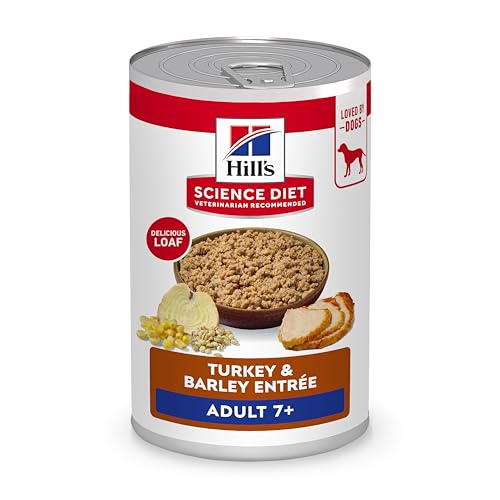
If your dog also eats wet food or needs additional hydration support, Hill’s Science Diet Adult 7+ Wet Dog Food is worth pairing with a dry formula, particularly for dogs with reduced water intake or dental discomfort that makes dry kibble harder to manage.
A Practical Decision Protocol: How to Actually Test Whether Royal Canin Senior Is Working
Marketing claims are not data. The only data that matters is what your specific dog does on the food over a defined observation window. Here’s the four-step protocol I have clients run for any senior diet trial, royal canin senior included, over a 30-day window:
- Stool consistency logging. Score stool daily on a simple 1-5 firmness scale (1 = watery, 5 = hard pellets). You’re looking for consistent scores of 3-4. Chronic scores of 2 or below indicate poor digestibility or an ingredient intolerance, regardless of what the label promises.
- Weight trend over 30 days. Weigh your dog at the same time of day, same conditions, once weekly. A healthy senior on an appropriately dosed diet should show a stable trend line, not a steady climb or decline. If you don’t have a home scale sensitive enough for smaller dogs, most vet clinics will let you use their scale between appointments at no charge.
- Energy recovery post-meal. Note how your dog behaves in the 30 to 60 minutes after eating. Dogs on a well-matched diet typically show a brief rest period followed by normal engagement (interest in a walk, play, or basic commands). Persistent lethargy or a bloated, uncomfortable posture after meals for more than a couple of weeks is a signal worth mentioning to your vet, not something to wait out.
- Coat quality assessment. Run your hands along the flank and back monthly. Look for reduced flaking, less excessive shedding, and a coat that holds some natural oil sheen rather than feeling dry or brittle. Omega-3 inclusion (present in royal canin senior formulas) should show measurable improvement here within four to six weeks if the fatty acid dosing is adequate for your dog’s body weight.
If your dog passes all four checkpoints, you’ve got objective confirmation that the formula fits, and you can stop second-guessing the brand choice. If one or more checkpoints fail consistently, that’s your signal to adjust, not necessarily to abandon the brand entirely. Sometimes the fix is switching from Aging 12+ to a different Royal Canin senior formula matched to breed size, and sometimes it means the ingredient profile genuinely doesn’t suit your dog and a competitor product is the better fit. For owners specifically comparing Royal Canin’s own age-tiered options, our breakdown of Royal Canin Senior 8+ versus 12+ formulas covers which tier matches which stage of decline.
Key Takeaways
- Royal canin senior formulas generally meet or exceed AAFCO adult maintenance minimums, with reduced caloric density and added joint-support ingredients appropriate for aging physiology.
- No peer-reviewed data currently shows a longevity advantage for premium branded diets over other well-formulated senior diets once calorie intake is controlled.
- Formula-to-dog fit, not brand prestige, is the variable that actually predicts good outcomes.
- A structured 30-day observation protocol (stool, weight, energy, coat) gives you objective proof of whether a diet is working, rather than relying on packaging claims.
Frequently Asked Questions
Is royal canin senior food worth the higher price compared to grocery store brands?
For most senior dogs without diagnosed medical conditions, royal canin senior offers a formulation edge in caloric control and joint-support inclusions compared to standard grocery store brands, which typically don’t adjust their recipes for aging metabolism at all. Whether it’s worth the premium investment depends on your individual dog’s body condition and whether the 30-day observation protocol shows measurable improvement. If a mid-tier option performs equally well for your specific dog, there’s no clinical requirement to pay more.
What is the difference between Royal Canin Aging 12+ and other senior formulas from the same brand?
Aging 12+ is formulated with a smaller, softer kibble shape for reduced bite force and includes a higher concentration of antioxidants aimed at cognitive support, compared to formulas designed for the 8+ or breed-size-specific senior tiers. The macronutrient profile shifts slightly as well, generally trending toward lower fat content to account for reduced activity in very old dogs.
Can I switch my dog to royal canin senior food without a transition period?
No. Abrupt food changes commonly trigger gastrointestinal upset in senior dogs whose digestive systems are already less resilient. A gradual transition over seven to ten days, mixing increasing ratios of the new food into the old, gives the gut microbiome time to adjust and makes your 30-day stool consistency observations far more accurate.
Does royal canin senior food help with dog dementia or cognitive decline?
Royal canin senior formulas include antioxidant blends that have shown modest supportive benefit for cognitive function in aging dogs, but the effect is incremental rather than a treatment for diagnosed canine cognitive dysfunction syndrome. Dogs showing signs of disorientation, disrupted sleep cycles, or house-soiling need a full veterinary work-up, since diet is one supportive input among several, not a standalone intervention.