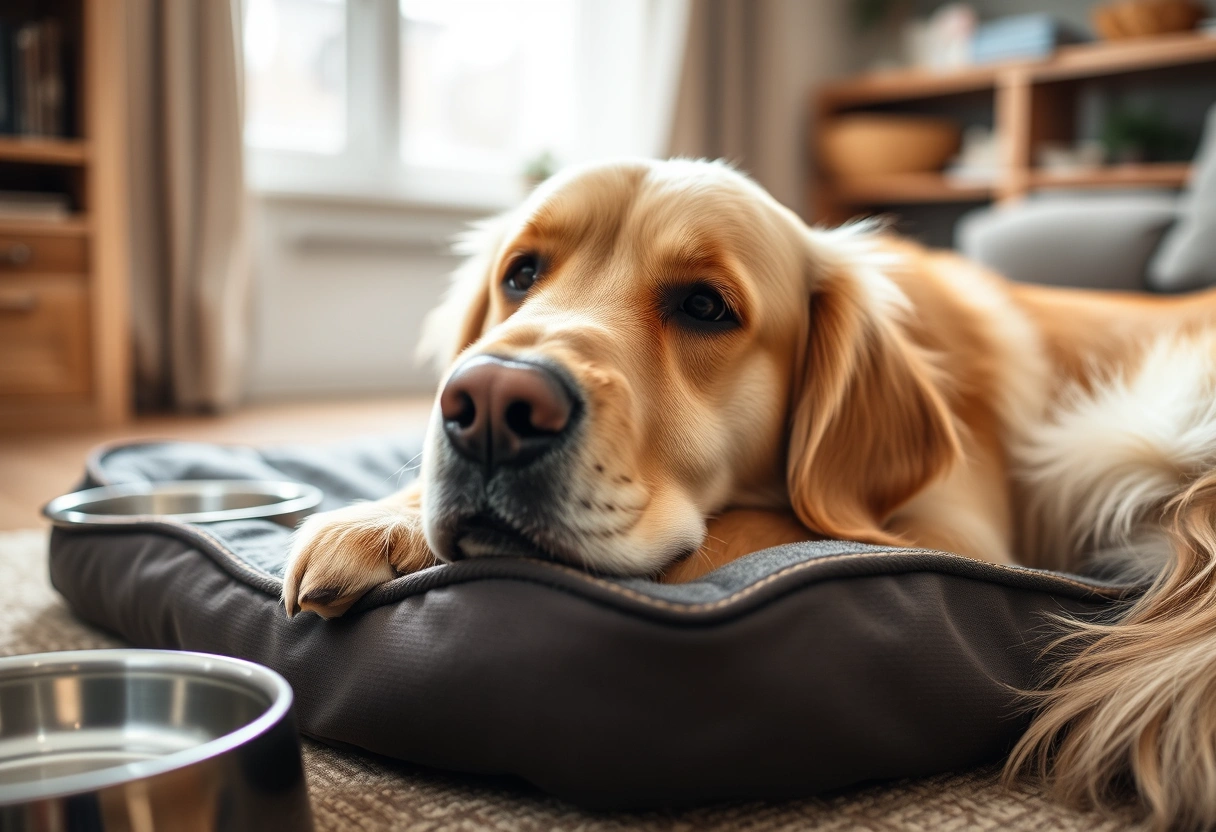

If your older dog peeing in house has become a near-daily occurrence, and you’ve noticed the water bowl is somehow always empty, please hear me on this: your dog isn’t being stubborn, and they haven’t forgotten their training. Something is going on inside that body, and it’s asking for your attention. I’ve sat on enough bathroom floors at 2 a.m. with old dogs who couldn’t hold it anymore to know the guilt in their eyes has nothing to do with defiance. It’s confusion. It’s discomfort. And it deserves a vet visit, not a scolding.
Let’s talk about what’s really happening, and what actually helps while you’re getting answers.
This Is Never “Just Old Age”
I hear it all the time from well-meaning folks: “He’s just getting old, that’s what happens.” I understand the instinct to explain it away. Old age is scary enough without adding a diagnosis to it. But older dog peeing in house combined with drinking noticeably more water is a pattern, and patterns in medicine mean something.
The medical term for excessive thirst paired with excessive urination is polyuria/polydipsia, often shortened to PU/PD. It’s not a diagnosis on its own. It’s a signal that something is affecting how your dog’s kidneys, hormones, or blood sugar are functioning. Common culprits in senior dogs include:
- Diabetes mellitus (the body can’t regulate blood sugar properly)
- Cushing’s disease (excess cortisol production, often from an adrenal or pituitary issue)
- Chronic kidney disease (the kidneys lose their ability to concentrate urine)
- Urinary tract infections (painful, urgent, and surprisingly common in older dogs)
Every single one of these is manageable when caught early. None of them are cured by ignoring the symptoms. So if you’re noticing excessive thirst in dogs paired with accidents, please call your vet this week, not “eventually.”
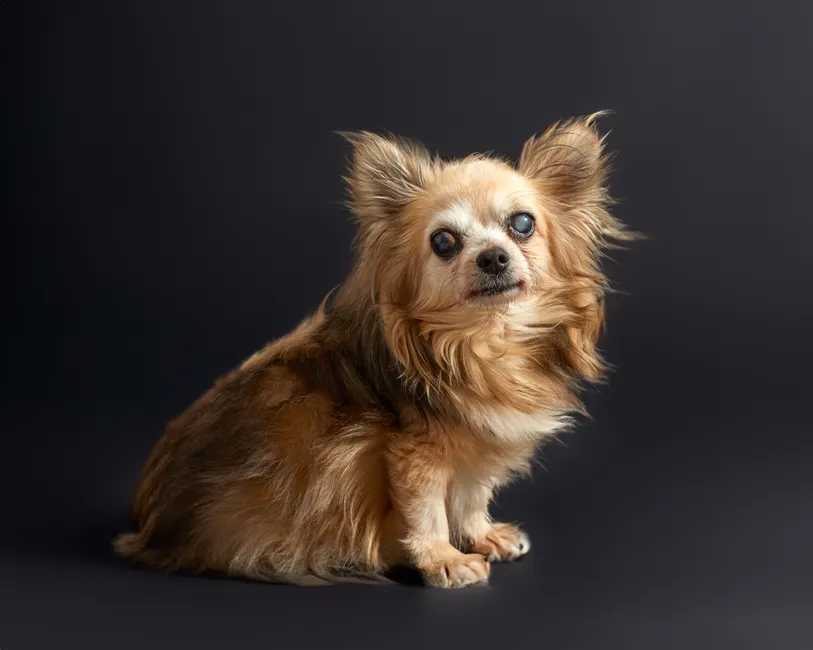
Here’s what I’ve learned after years of caring for old dogs in hospice: their bodies rarely lie to us. When something changes, it’s information, not inconvenience. Our job is to listen instead of getting frustrated.
What the Research Actually Shows
I’m not just speaking from sanctuary experience here, though that’s where my heart lives. The numbers back this up too. According to the American College of Veterinary Internal Medicine, PU/PD is one of the most common presenting complaints veterinary internists see in senior dogs, and chronic kidney disease is estimated to affect roughly one in ten dogs overall, with prevalence climbing sharply as dogs age into their double digits.
Research published in the Journal of Veterinary Internal Medicine has also documented a real rise in diabetes mellitus diagnoses in dogs over recent decades, with dogs over age 8 disproportionately affected. This isn’t a fluke or a fad diagnosis. It’s a documented trend that mirrors what many of us in senior dog care see firsthand: aging bodies need closer monitoring, not less of it.
None of this is meant to frighten you. It’s meant to validate what you’re already noticing. If your gut is telling you something is off, it probably is.
What to Watch For Before Your Vet Visit
Vets love specifics, and honestly, tracking this stuff at home gives your dog’s doctor a real head start on diagnosis. Before your appointment, try to jot down:
- How often accidents happen (daily? only at night? every time they lie down?)
- Water intake (measure it if you can, even roughly, over a 24-hour period)
- Appetite changes (eating more, eating less, suddenly ravenous)
- Weight changes (weight loss despite eating more is a big flag)
- Energy level (lethargy, stiffness, disinterest in walks)
If your senior dog is also struggling with getting around, joint pain and PU/PD often show up together in aging bodies. It’s worth reading about how ramps compare to stairs for protecting aging joints, since mobility support often becomes part of the bigger senior care picture once accidents start happening more frequently.

Managing Accidents While You Get Answers
Here’s the part I want you to really sit with: managing house-soiling isn’t giving up on training. It’s meeting your dog where they are right now, with dignity, while the medical piece gets sorted out. There’s zero shame in it. None. Washable pads have become a staple in my own home for exactly this reason. They’re gentler on aging skin than disposables, better for the planet, and honestly just easier on the budget over time. The Washable Pee Pads for Incontinence & Potty Training are a solid, budget-friendly option to keep near your dog’s favorite resting spots, especially overnight when accidents tend to happen most.

- Super Absorbent & Leak-Proof: Engineered with a multi-layer core, our washable pee pads for dogs instantly absorb and lo…
- Non-Slip Backing: Say goodbye to messy, shifting dog pee pads. The non-slip backing keeps the puppy pee pads firmly in p…
- Designed For Senior Dogs & Incontinence Care: Unlike disposable pads you throw away daily, these reusable pee pads are b…
Keeping pads exactly where they need to be matters too, especially for dogs who are also unsteady on their feet. A non-slip holder keeps things in place so your senior pup isn’t sliding around on a shifting pad, which just adds insult to injury for a dog who’s already anxious about accidents. The Pee Pad Holder for Dogs does exactly that, and it’s a mid-tier investment that pays off in fewer messes tracked across your floors.

- Premium Silicone Mat for Durability: This pee pad holder crafted from high-quality silicone. This mat is thick to resist…
- Effortless Cleaning & Reusability: When you use our washable pee pads holder for dogs, you can say goodbye to tedious cl…
- Secure Pee Pad Placement & Floor Protection: This pee pad holder keeps the pet’s pee pads firmly in place with its non-s…
Protecting Sleep and Comfort at the Same Time
Old dogs with joint pain and old dogs with senior dog incontinence often overlap more than people expect. A dog who’s sore doesn’t reposition as easily overnight, which means accidents sit against their skin longer than they should. That’s a recipe for sores, hot spots, and infections nobody wants to deal with. This is where an orthopedic bed with some water resistance earns its keep. The Sanctuary Dog Bed, Orthopedic Cooling Memory Foam gives aging joints real cushioning support while making cleanup far less of a battle. It’s a premium investment, honestly, but for a dog spending sixteen-plus hours a day resting, I think it’s worth every consideration.

- EXCLUSIVE 2-COVER BUNDLE (ZERO DOWNTIME): This Amazon-exclusive set includes the complete Sanctuary Bed plus a bonus rep…
- MODULAR & CUSTOMIZABLE DESIGN: The innovative Quick-Change sleeping surface allows you to refresh your bed’s style insta…
- ORTHOPEDIC FOAM TOPPED WITH A COOLING MEMORY FOAM LAYER: Engineered for superior support, our Orthopedic Foam core has a…
Comparing Your Management Options
I know it helps to see things laid out side by side, so here’s a quick breakdown of these three tools and where each one fits into managing an older dog peeing in house while you and your vet sort out the underlying cause.
| Product | Best For | Key Feature | Price Tier |
|---|---|---|---|
| Washable Pee Pads for Incontinence & Potty Training | Daily accident cleanup, overnight use | Reusable, gentle on aging skin | $ |
| Pee Pad Holder for Dogs (Silicone Tray) | Keeping pads secure for unsteady dogs | Non-slip base, easy wipe-down design | $$ |
| Sanctuary Dog Bed, Orthopedic Cooling Memory Foam | Joint support plus incontinence protection | Memory foam with cooling, water-resistant cover | $$$$ |
Never Rule Out a Diaper or Belly Band
For male dogs especially, a properly fitted belly band can be a bridge between “we have no idea what’s happening yet” and getting a real diagnosis. For female dogs or dogs with more frequent accidents, a full diaper style tends to work better. Either way, rotate them often, check the skin underneath daily, and never use them as a substitute for figuring out the actual cause. They’re a bridge, not a destination. Raised feeding and water stations also matter more than people realize once dog drinking lots of water becomes the norm. Elevated stations reduce strain on an aging neck and back, and honestly, dogs seem to just drink more comfortably from them. Keep water available around the clock. Restricting water intake to reduce accidents is one of those instincts I need you to resist. It won’t fix the underlying issue, and it can genuinely put a dog with kidney disease or diabetes at risk.
A Word on Guilt and Grace
I want to say this plainly because I think it matters more than any product recommendation: your dog is not doing this to upset you. Dogs don’t hold grudges, and they don’t soil the house out of spite. If you’re feeling frustrated, that’s human and understandable. But please, don’t let that frustration land on your dog. They already feel the shift in the house. They already sense something’s wrong with their own body. What they need from you right now is patience, not punishment. Some breeds and mixes seem to show these age-related shifts earlier than others. If you’re caring for a mixed breed senior, it’s worth understanding how their genetics might shape the aging timeline, like this breakdown of what to expect as a Goberian ages, which touches on some of the same hormonal and organ-related changes that show up as dogs move into their senior years.
When to Call the Vet (Don’t Wait)
Call sooner rather than later if you notice:
- A sudden increase in water intake over just a few days or weeks
- Accidents happening multiple times a day, especially if this is new
- Weight loss despite normal or increased appetite
- Straining, whimpering, or blood in the urine
- Lethargy or disorientation alongside the thirst and accidents
Bloodwork and a urinalysis will usually tell your vet most of what they need to know. It’s a straightforward process, and getting ahead of conditions like diabetes or kidney disease dramatically improves quality of life and often extends it too. Managing an older dog peeing in house situation without knowing the cause is a bit like mopping the floor during a storm with the window still open. You’ve got to find the source.
Frequently Asked Questions
Why is my older dog peeing in the house all of a sudden?
Sudden house-soiling in a senior dog is usually medical, not behavioral. Common causes include urinary tract infections, kidney disease, diabetes mellitus, and Cushing’s disease. A vet visit with bloodwork and a urinalysis is the fastest way to find the actual cause instead of guessing.
Is excessive thirst in dogs always a sign of a serious illness?
Not always, but it’s worth taking seriously. Excessive thirst combined with more frequent urination often points to kidney disease, diabetes, or a hormonal imbalance like Cushing’s disease. It can occasionally be tied to medication side effects too, so a vet conversation helps rule things in or out.
Should I limit my dog’s water if they’re drinking too much?
No. Restricting water intake does not treat the underlying cause and can be dangerous, especially for dogs with kidney disease or diabetes. Keep fresh water available at all times and talk to your vet about what’s driving the increased thirst instead.
What helps with senior dog incontinence at home?
Washable pads, belly bands or diapers, waterproof bed covers, and frequent bathroom breaks all help manage senior dog incontinence while you work with your vet on a diagnosis. These tools support your dog’s comfort and dignity, but they work best alongside medical treatment, not instead of it.
If you’re in this season right now, watching your old friend struggle with something they can’t control, I want you to know I see you. This part of the journey is hard, and it asks a lot of us. But showing up with patience instead of frustration, that’s the whole job. That’s the sacred trust we signed up for when we brought them home. Tell your pup I said Hi! — Dawn