
IAMS Healthy Aging is a budget-friendly kibble that hits some of the basics for older dogs, but it’s not the whole answer for every gray-muzzled pup out there, and I want to walk you through exactly why. I’ve spent years feeding senior and geriatric dogs at the sanctuary, watching bodies change, appetites shift, joints stiffen. So when a formula claims it’s built for “healthy aging,” I read the bag the way a vet tech reads a chart. Let’s look at what’s actually in the bowl.
Why Senior Dog Parents Are Second-Guessing Grocery Store Formulas
Here’s the thing nobody tells you when your dog turns seven or eight: the pet food aisle suddenly gets a lot more confusing. Grain-free had its moment. Then the FDA started investigating a possible link to heart disease in dogs eating certain grain-free diets, and a lot of us pulled back and started reading labels again like it was our job. It kind of is, honestly.
At the same time, prescription and vet-formulated diets have gotten more visible, more talked about in Facebook groups and vet waiting rooms. So a mid-tier grocery brand like IAMS Healthy Aging is sitting in a strange spot. It’s not a prescription diet. It’s not grain-free trendy. It’s just… there, on the shelf, promising to support your dog’s golden years for a price a lot of families can actually afford.
And that matters. A lot. Not every senior dog parent has room in the budget for a specialty diet, and honestly, they shouldn’t have to feel guilty about that. This is where I want to be real with you: affordability is not a moral failing. But it does mean we need to look closer at what you’re getting for that price, especially for a dog whose kidneys, joints, and gut are already working harder than they used to.
Aging isn’t a disease, but it does change everything about how a body uses food. A diet that worked at age three might be quietly failing your dog at age eleven, and you won’t always see it happen. You’ll just notice, one day, that something’s off.
Ingredient Breakdown: What’s Actually in the Bag
Let’s get into the label itself, because that’s where the truth lives, not on the front of the bag with the smiling golden retriever.
IAMS Healthy Aging typically leads with chicken as the first ingredient, which is a solid start. Real animal protein up front is what you want to see, especially since older dogs need more quality protein per pound of body weight than middle-aged dogs do, not less, to help preserve lean muscle mass. That’s a common myth I run into constantly at the sanctuary: people think senior dogs need “less protein.” Mostly false, unless there’s diagnosed kidney disease, and that call belongs to your vet, not the bag.
Where I get more cautious is the glucosamine and chondroitin levels. IAMS does include these joint-support compounds, which is good in theory. But the actual milligram amounts on most mainstream grocery formulas tend to run lower than what’s used in clinical joint-support studies. So while it’s not nothing, I wouldn’t count on kibble-level glucosamine to meaningfully slow arthritis progression in a dog who’s already stiff getting up in the morning. Think of it as a small assist, not a treatment plan.
Fiber content is where IAMS actually does reasonably well. Moderate fiber from ingredients like beet pulp supports gut motility, which matters a lot for senior dogs whose digestive systems slow down with age. I’ve seen firsthand how a fiber-appropriate diet can mean the difference between a comfortable senior dog and one who’s straining or dealing with irregular stools every week.

Compared against the AAFCO nutrient profiles for adult maintenance, IAMS Healthy Aging generally meets the baseline requirements. But here’s what I want you to sit with: AAFCO “meets minimum requirements” and “optimized for a geriatric dog with declining organ function” are two very different bars. This formula clears the first one. It doesn’t necessarily clear the second.
If you’re weighing IAMS against other mainstream options, another calorie-conscious formula worth looking at is Purina ONE Plus Digestive Health Dry Dog Food, which leans harder into digestive support with added fiber and prebiotics, something I’ve noticed makes a real difference for seniors with sensitive stomachs.

- Complete and balanced digestive care dog food with digestive support for adult dogs with sensitive stomachs
- Highly digestible adult dog food formula enriched with probiotics for dog digestive support
- Real chicken is the first ingredient in our high protein dog food, which includes natural glucosamine sources for joint …
The Real-World Numbers Behind Senior Dog Weight and Nutrition
Let’s talk numbers, because they matter more than most people realize. The Association for Pet Obesity Prevention has reported that over 65% of dogs in the US are classified as overweight or obese. Sit with that for a second. Two out of every three dogs you meet at the park are carrying extra weight they don’t need, and that number climbs even higher in senior dogs whose activity naturally slows down.
Excess weight on an aging joint is brutal. Every extra pound puts more strain on hips, knees, and spines that are already dealing with arthritis or degenerative changes. This is exactly why calorie-controlled senior formulas aren’t just a marketing gimmick. They’re a genuine tool for keeping your dog’s body weight in a range that doesn’t accelerate joint damage.
The World Small Animal Veterinary Association guidelines also emphasize something a lot of pet parents skip right past: look for diets backed by actual feeding trials, not just formulated to meet a nutrient chart on paper. Feeding trials mean real dogs ate the food over time and their bloodwork and body condition were tracked. It’s a meaningfully higher bar than “formulated to meet AAFCO profiles,” and it’s worth checking which claim is actually printed on your bag.
This is one area where a formula like Hill’s Science Diet Adult 7+ Dry Dog Food tends to pull ahead of grocery brands, since Hill’s has a long track record of feeding trial data and veterinary research behind its senior lines.

- Healthy heart, kidneys, and bladder supported by antioxidants and balanced minerals
- Lean muscles supported with high-quality protein
- Made with natural ingredients
If you want a deeper look at whether stepping up to a more research-backed formula actually changes outcomes for your dog, I wrote about this exact question in Is Senior Dog Food Worth It? What Vets Recommend. It’s worth a read before you commit to any bag long-term.
IAMS Healthy Aging Pros, Cons, and What Vets Actually Say
I want to give you the honest ledger here, not a sales pitch.
What IAMS Healthy Aging does well:
- Widely available in grocery stores and big box retailers, so you’re never scrambling to find it
- Budget-friendly price point that makes daily feeding sustainable for most households
- Real chicken as the first ingredient, supporting lean muscle maintenance
- Moderate fiber levels that support digestive regularity in aging guts
- Includes glucosamine and chondroitin, even at modest levels
Where it falls short:

- Limited to conventional protein sources, which is a problem for dogs with food sensitivities or allergies needing novel proteins like duck or venison
- Glucosamine and chondroitin amounts are lower than clinically studied joint-support levels
- Doesn’t offer the depth of feeding trial data that premium and prescription lines provide
- Not appropriate for dogs with diagnosed kidney disease, pancreatitis, or other conditions requiring a therapeutic diet
Vets I’ve talked to over the years tend to land in a similar place: IAMS Healthy Aging is not a bad food. It’s a reasonable, accessible option for a generally healthy senior dog without complicated medical needs. But it’s not a substitute for a prescription diet if your dog has diagnosed organ disease, and it’s not going to out-perform a research-driven premium formula if joint disease is your dog’s primary concern.
I’ll be honest with you the way I’d be honest with a friend standing in my kitchen. If your dog is thriving, active, and holding a healthy weight on IAMS Healthy Aging, there’s no reason to panic-switch foods just because a fancier bag exists. Consistency matters more than chasing the newest trend. But if you’re noticing stiffness, weight gain, or digestive changes, that’s your dog telling you it might be time for a conversation with your vet about something more targeted.
IAMS Healthy Aging vs. Popular Senior Dog Food Alternatives
Seeing these side by side usually makes the decision clearer than reading marketing copy ever will. This comparison focuses on formulation quality, joint support, and overall value for a senior dog food review lens rather than brand loyalty.
| Product | Best For | Joint Support | Feeding Trial Data | Price Tier |
|---|---|---|---|---|
| IAMS Healthy Aging | Healthy seniors on a budget | Modest glucosamine/chondroitin | Limited | $ |
| Hill’s Science Diet Adult 7+ Dry | Vet-backed daily nutrition | Antioxidants + joint support | Extensive | $$$ |
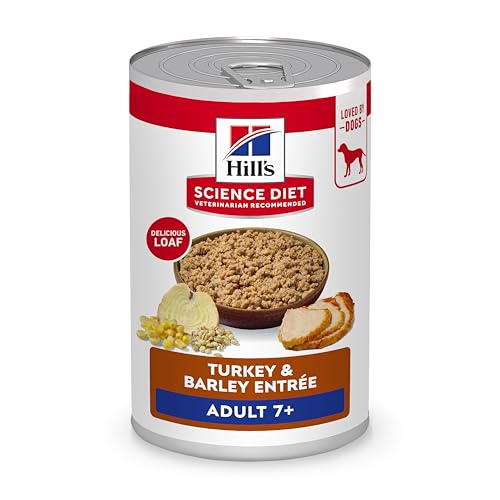
| Hill’s Science Diet Adult 7+ Wet | Seniors with dental issues or low appetite | Antioxidants + joint support | Extensive | $$$ |
| Purina ONE Plus Digestive Health | Sensitive stomachs and irregular digestion | Standard levels | Moderate | $$ |
For dogs who are struggling to chew dry kibble comfortably, a wet option like Hill’s Science Diet Adult 7+ Wet Dog Food can be a gentler way to get the same research-backed nutrition into a dog with dental pain or a shrinking appetite, something I see constantly with the oldest dogs in our care.
If your household includes both a small senior dog and a large-breed senior, the calorie and joint-support math actually changes quite a bit by size. I broke that down fully in Senior Dog Food for Small vs Large Breeds: Buying Guide, and it’s worth checking before you settle on one formula for multiple dogs.
The Final Verdict: When IAMS Healthy Aging Fits and When It Doesn’t
So, is IAMS Healthy Aging worth buying? Here’s my honest, sanctuary-tested answer: it depends entirely on your dog’s specific health picture, not on what’s trending in pet food marketing this year.
IAMS Healthy Aging makes sense when:
- Your senior dog has no diagnosed chronic conditions
- Your dog is maintaining a healthy body weight and stable energy
- Budget is a real, legitimate constraint on your household
- You’re feeding it alongside regular vet checkups and bloodwork
It’s time to consider a prescription or premium vet-formulated diet when:
- Your dog has diagnosed kidney disease, heart disease, or pancreatitis
- Arthritis or mobility decline is progressing despite supplements
- Your dog has food allergies requiring a novel or hydrolyzed protein
- Your vet has specifically recommended a therapeutic caloric or nutrient profile
I always tell the families at Woody’s Place the same thing: your dog’s food isn’t just fuel, it’s medicine, comfort, and dignity in one bowl. A senior dog food review should never be about which bag has the prettiest label. It should be about whether that food is actually doing right by the body in front of you, the one who’s given you years of loyalty and now needs you to pay closer attention than ever. IAMS Healthy Aging can be a perfectly fine, honest choice for plenty of dogs. Just don’t let convenience replace the conversation you should be having with your vet at every senior wellness visit.
Frequently Asked Questions
Is IAMS Healthy Aging a good senior dog food?
IAMS Healthy Aging is a reasonable, budget-friendly choice for generally healthy senior dogs without diagnosed chronic conditions. It includes real chicken protein, moderate fiber, and modest joint-support ingredients. However, it lacks the extensive feeding trial data and clinical-level glucosamine dosing found in premium or prescription formulas, so dogs with arthritis or organ disease may need a more targeted diet.
How does IAMS dog food compare to prescription senior diets?
IAMS dog food meets baseline AAFCO nutrient standards but generally does not carry the same feeding trial research or condition-specific formulation as prescription diets. Prescription senior diets are typically recommended for dogs with diagnosed kidney disease, heart disease, or significant joint deterioration, situations where IAMS Healthy Aging is not designed to provide targeted therapeutic support.
What should I look for in the best senior dog food?
The best senior dog food should list real animal protein first, include verified joint-support ingredients at meaningful levels, offer moderate fiber for digestive health, and ideally be backed by actual feeding trials rather than formulation on paper alone. Calorie control also matters greatly, since most senior dogs are prone to weight gain that worsens joint strain.
Does IAMS Healthy Aging support joint health in older dogs?
IAMS Healthy Aging does include glucosamine and chondroitin, but at levels generally lower than those used in clinical joint-support studies. It can offer a small supportive benefit, but dogs with diagnosed arthritis or significant mobility decline typically need a dedicated joint supplement or a vet-formulated diet with higher, clinically dosed levels of these compounds.
Thank you for caring enough about your senior dog to actually research this instead of just grabbing whatever’s on the shelf. That’s the kind of attention that keeps our old ones comfortable and loved right to the end. Tell your pup I said Hi! — Dawn