

Royal Canin senior dog food isn’t one bag that fits every gray-muzzled pup in your life, and if you’ve been feeding your Great Dane the same formula you’d feed a Chihuahua, we need to talk. Size changes everything when it comes to aging. It changes when a dog even *becomes* senior, how fast their joints wear down, how many calories they actually burn lying on the couch, and what their heart and kidneys can handle long-term. I’ve cared for old dogs of every size at the sanctuary, from a fifteen-pound terrier mix who outlived every prediction to a hundred-pound shepherd who started slowing down before he hit seven. They don’t age the same way. Their food shouldn’t either.
Why Senior Dogs Need Breed-Size-Specific Nutrition, Not Just a “Senior” Label
Here’s something a lot of pet parents don’t realize until someone tells them straight: a generic “senior formula” on the shelf is often a marketing shortcut, not a science-backed plan. The World Small Animal Veterinary Association has been pushing for more individualized nutritional assessments for exactly this reason. A large breed dog’s body clock runs faster. Their joints, their organs, their whole system ages on an accelerated timeline compared to a small breed dog who might not hit “senior” status until well into their teens.
That’s the whole premise behind royal canin senior dog food being split by size categories in the first place. It’s not just a repackaging gimmick. Small dogs tend to live longer, so their food needs to support longevity, dental health, and brain function over a longer stretch of years. Large and giant breeds face joint stress and muscle loss earlier, so their formulas lean harder into joint support and weight management. If you’re still choosing based on the picture on the bag rather than the actual breed-size formulation, that’s the first thing I’d change today.
Old dogs don’t need a trend. They need a plan built around their actual body, their actual pace, and the years they have left. That’s not sentimental talk, that’s just good care.
Royal Canin Small Senior: What It Actually Offers Toy and Small Breeds
Small and toy breeds are the marathoners of the dog world. Many of them live well into their teens, which means their royal canin senior dog food formula has to think long-term. The Small Senior line is built with calorie density adjusted for a slower metabolism paired with a smaller stomach capacity, so they’re not overfed on a per-cup basis while still getting what they need.

What stands out to me in this formula is the dental care angle. Small breeds are notorious for dental disease, it’s one of the most common issues I see across every small senior dog that comes through rescue. The kibble shape and texture in this formula are designed to reduce tartar buildup with each bite, which matters more than people think. A mouth full of pain changes everything, from appetite to mood to willingness to be touched.
There’s also a cognitive support angle worth mentioning. The formula includes antioxidant complexes (vitamin E, vitamin C, and specific nutrients tied to brain health) aimed at supporting mental sharpness in dogs who may be living long enough to face cognitive decline. If you’ve read anything on canine cognitive dysfunction, you know early nutritional support can genuinely make a difference in how gently that decline unfolds.
Royal Canin Medium and Large Senior: Built for Joint Support and Weight Control
Now here’s where things shift. Medium, large, and giant breeds carry more body weight on joints that are already under more mechanical stress just from existing at that size. According to AAHA senior care guidelines, large breed dogs can be classified as seniors as early as six years old, which honestly surprises a lot of new pet parents. Six! That’s not “old” in a small breed’s world, but in a Great Dane or Mastiff’s world, that’s the beginning of the golden years.
The Medium/Large Senior formulas from Royal Canin lean heavily into glucosamine and chondroitin levels aimed at supporting cartilage and joint mobility. This isn’t decorative labeling, it’s a direct response to how common arthritis and joint degeneration are in bigger dogs as they age. Controlled fat content is the other pillar here, because large breed seniors gain weight easily once activity drops, and extra weight on already-strained joints creates a rough cycle that’s hard to reverse.
If you want to compare a few practical options side by side, including one prescription-style formula for dogs with sensitivities, here’s a breakdown I put together based on ingredient profiles and common use cases:
| Product | Best For | Key Feature | Price Tier |
|---|---|---|---|
| Royal Canin Small Senior | Toy/Small breed seniors | Dental care kibble + cognitive antioxidants | $$$ |
| Royal Canin Medium/Large Senior | Medium to giant breed seniors | Glucosamine/chondroitin joint support | $$$ |
| Blue Buffalo Hydrolyzed Salmon Veterinary Diet | Dogs with food sensitivities/allergies | Hydrolyzed protein, vet-prescribed formula | $$$$$ |
| Purina ONE Plus Digestive Health | Seniors with sensitive stomachs | Prebiotic fiber, easy-to-digest chicken | $$ |
That mid-tier positioning on Royal Canin’s own formulas reflects what you’d expect from a well-researched, veterinarian-backed brand: not the cheapest bag on the shelf, but a reasonable mid-range option for what it delivers. If your senior dog needs something more targeted, like a hydrolyzed protein diet for allergies, that’s where a step up to a premium veterinary formula like the Blue Buffalo Natural Veterinary Diet Hydrolyzed Salmon Formula might actually serve your dog better than a standard senior line.
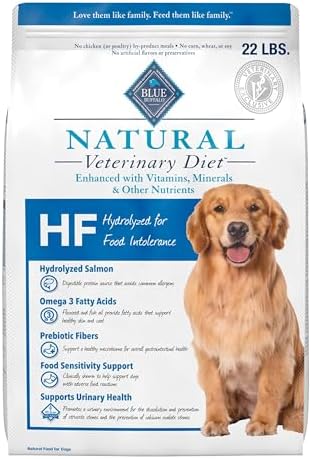
- REAL SALMON FIRST: This Blue Buffalo dry dog food is made with hydrolyzed salmon as the #1 ingredient
- VETERINARY-PRESCRIBED FORMULA: Formulated for dogs with special dietary needs, this dry dog food is packed with nutritio…
- FOOD INTOLERANCE SUPPORT: Prescription dog food formulated with hydrolyzed salmon, a readily digestible protein source, …
What to Watch For: Sodium, Protein Quality, and the Transition Period
A few things deserve your full attention when you’re evaluating any senior dog food by size, not just Royal Canin’s line specifically.
- Sodium content: Older dogs, especially those with early cardiac or kidney concerns, do better on controlled sodium levels. Always check the guaranteed analysis, not just the marketing copy on the front of the bag.
- Protein quality, not just quantity: Sarcopenia (age-related muscle loss) affects up to 30% of aging dogs according to veterinary geriatric research. Your senior dog needs high-quality, digestible protein to maintain muscle mass, not just a high percentage number on the label. This is one area where a small breed senior formula and a large breed formula often diverge quite a bit in sourcing and digestibility.
- The transition itself: Never swap foods overnight. Mix the new senior formula in gradually over seven to ten days, watching stool quality and appetite the whole way. A sudden switch can cause GI upset that mimics a much bigger health problem, and that’s a stressful, unnecessary scare for everyone involved.
Digestive sensitivity is common in aging dogs regardless of size, and if you’re noticing loose stools or inconsistent appetite during a food transition, a gentler formula like Purina ONE Plus Digestive Health Dry Dog Food can sometimes bridge that gap while you figure out what your dog’s gut can tolerate long-term.

- Complete and balanced digestive care dog food with digestive support for adult dogs with sensitive stomachs
- Highly digestible adult dog food formula enriched with probiotics for dog digestive support
- Real chicken is the first ingredient in our high protein dog food, which includes natural glucosamine sources for joint …
If you’re trying to decide between wet and dry formulas for a dog who’s losing interest in dry kibble, our breakdown on Royal Canin Senior Wet vs Dry walks through which texture tends to work better as appetite and dental comfort shift with age. And for treats between meals, keeping ingredients simple matters more as digestive systems get more particular. Something like Canine Cravers Single Ingredient Dog Treats can be a gentle way to reward your senior without adding fillers or unnecessary additives to their day.

- ALL NATURAL DOG TREATS: Your pets deserve the best! Our healthy dog treats are made using 1 simple human grade ingredien…
- TURKEY. ONLY TURKEY: Don’t let your dog eat preservatives, additives and by-products. Our protein rich Turkey strips are…
- DOGS & CATS LOVE IT: Our freshly made treats will leave your pup begging for more! The 100% natural ingredients provide …
Dawn’s Honest Take: When a Prescription Diet Might Serve Your Senior Better
I’ll be direct with you here, because that’s how I operate. Over-the-counter royal canin senior dog food is genuinely solid for a healthy aging dog with no major diagnosed conditions. It’s well-researched, it’s formulated with real veterinary input, and for a huge number of senior dogs, it does exactly what it needs to do.
But if your dog has kidney disease, heart disease, severe allergies, or pancreatitis in their history, an over-the-counter formula, even a good one, might not be enough. That’s when a conversation with your vet about a prescription diet becomes non-negotiable. This isn’t the moment to guess or to assume “senior” on the bag covers every medical need. It doesn’t. Prescription diets are formulated for specific organ function support that general senior formulas simply aren’t designed to address.
Here’s my bigger piece of advice, and it’s the same thing I tell every person who walks through the sanctuary gate with an old dog in their arms: read your dog’s body, not just the bag. Is she gaining weight even on a “senior” formula? Is he losing muscle despite eating well? Is her coat duller, is his energy flatter than it should be even accounting for age? Those are signals. The bag is a starting point, not the final word. Your vet, a body condition check, and your own gut instinct about your dog matter more than any label ever will.
For a full breed-agnostic review of how this brand performs overall, our deeper look at whether Royal Canin is good for older dogs covers more of the ingredient-level detail if you want to go further before deciding.
Frequently Asked Questions
At what age should I switch my dog to a senior formula?
It depends heavily on breed size. Large and giant breeds may need to transition as early as six to seven years old, while small and toy breeds often don’t need a senior formula until closer to ten or eleven. Talk to your vet about your specific dog’s body condition and health history before switching.
Is royal canin senior dog food good for dogs with joint problems?
The Medium/Large Senior formula includes glucosamine and chondroitin specifically to support joint cartilage and mobility, which makes it a reasonable choice for dogs showing early signs of stiffness. For dogs with diagnosed arthritis or more advanced joint disease, ask your vet whether an additional joint supplement or a prescription mobility diet would serve your dog better alongside their regular food.
How do I transition my senior dog to a new food without stomach upset?
Mix the new food in gradually over seven to ten days, increasing the new formula’s ratio a little each day while decreasing the old one. Watch stool quality and appetite closely during this window, and slow the transition down further if you notice any digestive upset.
What’s the difference between small breed senior formula and large breed senior formula?
A small breed senior formula focuses more on calorie density for a slower metabolism, dental care kibble shape, and cognitive support antioxidants for dogs likely to live many more years. A large breed senior food formula focuses more on joint support ingredients like glucosamine and controlled fat content to manage weight and reduce stress on aging joints.
I know this can feel like a lot to sort through when all you want is to do right by the dog snoring at your feet right now. Take it one step at a time. Read the label, watch your dog’s body, and don’t be afraid to ask your vet the “obvious” question, because there’s no such thing when it comes to their comfort in these years. You’re already doing the hard, quiet work of loving an old dog well. That counts for more than any bag of food ever could.
Tell your pup I said Hi! — Dawn