
Royal canin senior dog food shows up in a lot of shopping carts once a pup’s muzzle starts turning silver, and I get the appeal. But is it actually worth the premium price tag, or are you just paying for a fancy bag with a gray-muzzled dog on the front? I’ve fed a lot of old dogs at the sanctuary over the years, and I’ve learned that the right food matters more than almost anything else you’ll do for an aging body. Dogs are generally considered senior starting around 7 years old, though that number shifts depending on breed size, according to the American Animal Hospital Association. A 90-pound Great Dane hits his golden years a lot sooner than a scrappy 12-pound terrier mix. That single fact is why senior nutrition can’t be an afterthought. It has to be intentional.
This isn’t a sponsored puff piece. I’m going to walk you through what’s actually in the bag, how it stacks up against feeding standards, what I’ve personally watched happen in real dogs’ bodies and coats, and whether the cost is justified. Some of it will surprise you. Some of it might make you reconsider what “senior formula” even means.
What’s Actually Inside the Bag: Ingredients, Protein, and Joint Support
Royal canin senior dog food formulas (they make several, depending on breed size and age bracket) generally lean on chicken meal or chicken by-product meal as the primary protein source, paired with rice, corn, and various plant proteins for calories. That’s not automatically a bad thing. Older dogs often do better with slightly moderated protein and fat compared to a young, high-drive adult formula, especially if there’s any kidney strain brewing quietly in the background.
Fiber content tends to run a bit higher than standard adult formulas, which helps with the slower gut motility a lot of senior dogs deal with. You’ll also find glucosamine and chondroitin added for joint support, along with EPA and DHA (omega-3 fatty acids) for coat quality and mild anti-inflammatory support. These additions aren’t magic. They’re modest, supportive nutrients, not a replacement for a real joint supplement if your dog has diagnosed arthritis. I always tell folks: food-level joint support is a floor, not a ceiling.
One thing that matters more than people realize: fat content is usually trimmed down compared to adult maintenance food, since senior dogs typically move less and burn fewer calories. That’s smart for weight management, but it can backfire for a senior dog who’s already thin or losing muscle mass. This is exactly the kind of nuance where a one-size-bag doesn’t fit every old dog, which we’ll get into later.
Old dogs don’t need a trendy diet. They need a diet that respects what their body is actually doing right now, today, not what worked for them five years ago. That distinction is everything.
Does It Meet AAFCO Standards? The Truth About “Senior” Labels
Here’s something a lot of pet parents don’t know, and it genuinely surprised me the first time I dug into it: AAFCO does not have an official “senior” life stage category. There’s “growth,” there’s “adult maintenance,” and there’s “all life stages.” That’s it. So when you see “senior” on a bag, that’s a voluntary marketing and formulation choice by the manufacturer, not a regulated nutritional standard with enforced minimums.

What this means practically is that Royal Canin (and every other senior-labeled brand) is formulating to adult maintenance minimums and then adjusting fiber, fat, and added nutrients based on their own internal research and philosophy on aging dogs. That’s not necessarily a knock against them. Royal Canin does invest heavily in feeding trials and has a longer research history than a lot of competitors. But it does mean you shouldn’t assume “senior” automatically equals “vet-formulated” or “clinically superior.” Read the guaranteed analysis panel yourself. Compare it to the adult version of the same line. Sometimes the differences are meaningful. Sometimes they’re cosmetic.
If your senior dog is dealing with something more specific, like kidney values creeping up or unexplained weight loss, a general senior formula might not cut it. That’s a conversation worth having directly with your vet about whether a prescription diet fits better than an over-the-counter senior food for appetite and organ support. I’ve seen dogs thrive on a prescription switch after struggling on a standard senior bag for months.
What I’ve Watched Happen: Stool, Coat, Weight, and Appetite in Real Senior Dogs
Numbers on a bag only tell part of the story. What actually matters is what happens in the body over weeks and months. In the seniors I’ve fed and the ones sanctuary families have written to me about, here’s the honest pattern I’ve noticed with royal canin senior dog food:
- Stool quality: Generally firm and consistent, thanks to the moderated fat and added fiber. A few dogs with sensitive stomachs needed a slow transition over 10 to 14 days to avoid loose stool.
- Coat condition: Noticeably improved shine within 6 to 8 weeks in dogs who were previously on lower-quality food. The omega-3 inclusion earns its keep here.
- Weight management: Solid for dogs who were creeping toward overweight. Less impressive for thin, frail seniors who actually needed more calories, not fewer.
- Appetite: This is the wild card. Some dogs eat it eagerly. Others, especially very old dogs with a fading sense of smell, turn their nose up at the smaller kibble size in certain formulas.
If appetite is the actual battle you’re fighting, and it often is once a dog crosses into the double digits, texture and aroma matter more than any ingredient panel. That’s where something like Purina ONE Plus Digestive Health Dry Dog Food, Chicken can be worth testing as a comparison bag, since digestive-focused formulas sometimes tempt a picky senior back to the bowl when a pricier option gets ignored.

- Complete and balanced digestive care dog food with digestive support for adult dogs with sensitive stomachs
- Highly digestible adult dog food formula enriched with probiotics for dog digestive support
- Real chicken is the first ingredient in our high protein dog food, which includes natural glucosamine sources for joint …
For dogs dealing with real kidney concerns or protein sensitivity, a hydrolyzed formula is a whole different category worth knowing about. Blue Buffalo Natural Veterinary Diet Hydrolyzed Salmon Dry Dog Food is the kind of therapeutic option your vet might mention if standard senior kibble isn’t cutting it anymore. This isn’t a casual swap though. Hydrolyzed diets are typically vet-recommended for a reason, so loop your vet in before switching.
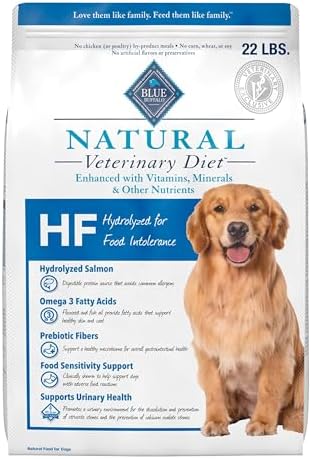
- REAL SALMON FIRST: This Blue Buffalo dry dog food is made with hydrolyzed salmon as the #1 ingredient
- VETERINARY-PRESCRIBED FORMULA: Formulated for dogs with special dietary needs, this dry dog food is packed with nutritio…
- FOOD INTOLERANCE SUPPORT: Prescription dog food formulated with hydrolyzed salmon, a readily digestible protein source, …
Cost Per Pound: Is Royal Canin Senior Dog Food Actually Worth the Price?
Let’s talk money honestly, because I know that’s why a lot of you clicked on this in the first place. Royal canin senior dog food sits in the mid-to-premium price bracket compared to grocery store brands, but it’s not the most expensive option on the shelf either. Here’s how it stacks up against a few common alternatives pet parents ask me about.
| Food | Best For | Protein Source | Joint Support Added | Price Tier |
|---|---|---|---|---|
| Royal Canin Senior (breed-specific lines) | General aging dogs, weight management | Chicken meal | Yes (glucosamine, EPA/DHA) | $$$ |
| Purina ONE Plus Digestive Health | Sensitive stomachs, picky eaters | Chicken | Minimal | $$ |
| Blue Buffalo Hydrolyzed Salmon (Vet Diet) | Kidney issues, protein sensitivity, allergies | Hydrolyzed salmon | No (therapeutic focus) | $$$$ |
| Grocery-brand senior formulas | Tight budgets, healthy seniors | Varies (often by-product meal) | Rarely | $ |
Notice that royal canin senior dog food lands squarely in the middle. It’s not a budget bag, but it’s also not the most expensive thing you could feed. If you’re weighing it against a therapeutic prescription option, the math changes quite a bit, and that’s a decision your vet should really be part of. We’ve also compared two specific Royal Canin senior lines side by side if you want more detail on which age bracket fits your dog best in our Royal Canin Senior 8+ vs 12+ formula comparison.
Who Royal Canin Senior Dog Food Is Genuinely Worth It For
Here’s my honest take after all these years of watching old dogs eat, thrive, or struggle: royal canin senior dog food is a strong, dependable choice for dogs who are generally healthy but showing normal signs of aging, like mild joint stiffness, slower metabolism, or the start of some gray hair around the muzzle. It’s formulated with real research behind it, and the joint and coat support additions are genuinely useful for that population.

Where it gets more complicated is for dogs with a diagnosed medical condition. Kidney disease, significant arthritis, unexplained weight loss, or chronic GI issues usually need something more targeted than a general senior formula, no matter how well-marketed it is. The WSAVA global nutrition guidelines are pretty clear that any diet transition for a senior dog, especially one with health complications, should involve a veterinary nutrition consultation rather than a guess-and-check approach from the pet store aisle. That’s not me being cautious for no reason. I’ve watched well-meaning owners switch foods three times in two months chasing a symptom that a simple vet visit and bloodwork would have solved immediately.
And can we talk about something for a second? I get frustrated when I see owners treat senior nutrition like an impulse buy. Your old dog’s body is doing its absolute best to keep up with organs that have worked hard for a decade or more. That deserves intention, not guesswork. This is a sacred trust, feeding the dog who has given you everything for years. Honestly, who thinks a random bag switch every few months is fine for a body that fragile? It’s not malicious, usually, just uninformed. But it matters.
If your senior dog needs a little extra encouragement at mealtime, especially one who’s lost some enthusiasm for food lately, a simple, honest treat topper can help bridge that gap without overcomplicating things. Canine Cravers Single Ingredient Dog Treats are the kind of no-nonsense addition I appreciate, since single-ingredient treats keep things simple for aging digestive systems that don’t love surprises.

- ALL NATURAL DOG TREATS: Your pets deserve the best! Our healthy dog treats are made using 1 simple human grade ingredien…
- TURKEY. ONLY TURKEY: Don’t let your dog eat preservatives, additives and by-products. Our protein rich Turkey strips are…
- DOGS & CATS LOVE IT: Our freshly made treats will leave your pup begging for more! The 100% natural ingredients provide …
My Honest Final Take on Royal Canin Senior Dog Food
So, is royal canin senior dog food worth the price heading into 2026? For most healthy aging dogs, yes, I think it earns its spot on the shelf. It’s a solid, mid-tier option with real research behind it, reasonable joint and coat support, and a track record I’ve personally watched play out well in dogs I’ve cared for. It’s not the cheapest bag, and it’s definitely not a miracle formula, but it does what it promises for the dogs it’s built for.
Where I’d pump the brakes is if your dog has a specific diagnosed condition. That’s when a general senior kibble, no matter how reputable the brand, stops being enough. Talk to your vet. Get bloodwork if it’s been a while. Old dogs can’t tell us in words when something’s off, so it’s on us to pay close attention and act on what their bodies are quietly telling us.
Feeding an old dog well isn’t about chasing the fanciest bag on the shelf. It’s about paying attention, staying humble about what you don’t know, and being willing to adjust when the dog in front of you needs something different than the label promised. That’s the whole job, really.
Frequently Asked Questions
Is Royal Canin Senior dog food actually different from their regular adult formula?
Yes, generally. Royal canin senior dog food formulas typically have adjusted fat content, added fiber, and joint-support nutrients like glucosamine and omega-3 fatty acids that aren’t always present in the standard adult line. That said, since AAFCO doesn’t regulate a “senior” category, the exact differences vary by specific product, so it’s worth comparing the guaranteed analysis panels side by side.
At what age should I switch my dog to a senior formula?
Most dogs are considered senior starting around 7 years old, though large and giant breeds often reach that stage earlier, sometimes by 5 or 6, while small breeds may not need the switch until closer to 9 or 10. Your vet can help pinpoint the right timing based on your dog’s breed, weight, and overall health rather than relying on age alone.
Can Royal Canin Senior dog food help with joint pain or arthritis?
It can offer mild support thanks to added glucosamine, chondroitin, and omega-3 fatty acids, but it shouldn’t be relied on as the primary treatment for diagnosed arthritis. Think of it as supportive background nutrition. Dogs with real joint pain usually need a dedicated joint supplement or vet-prescribed treatment plan alongside their food.
How do I transition my senior dog to a new food safely?
Go slow, over 10 to 14 days, gradually increasing the new food while decreasing the old one. Senior digestive systems are often less forgiving of abrupt changes than younger dogs. If your senior has an existing health condition, check with your vet before switching, since some conditions require a much more controlled transition or a specific therapeutic diet entirely.
Whatever you decide to fill that bowl with tonight, just know that showing up and paying attention is most of the battle already won. Old dogs notice the effort, even when they can’t say so. Tell your pup I said Hi! — Dawn