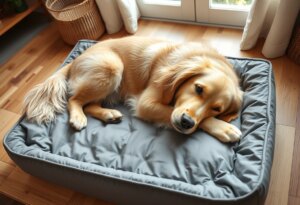


If you’re hoping to bring home a dog without drowning in fur every time you vacuum, you’re not alone, and yes, low-shedding dog breeds really can make life easier for allergy-prone families and anyone who’s tired of finding hair on every dark sweater they own. But here’s what I want you to know before you start scrolling through adoption listings: the dog who needs you most might be twelve years old, a little gray around the muzzle, and sitting in a shelter kennel wondering why nobody’s stopped at his cage yet. I’ve spent years at Woody’s Place watching senior dogs get passed over for younger, flashier options, and it breaks something in me every single time.
So let’s talk honestly about low-shedding dog breeds, what “hypoallergenic” actually means (spoiler: less than you think), and where you can find these dogs, especially the older ones who deserve a soft landing.
Why Low-Shedding Dog Breeds Appeal to Allergy-Prone Adopters and Tidy Homes
There’s a reason the American Kennel Club keeps a running list of breeds known for lower shedding: people ask about it constantly. Poodles, Bichon Frises, Portuguese Water Dogs, and similar breeds grow hair more like humans do, continuously, rather than blowing their coat seasonally the way a Labrador or Husky does. That means less fur tumbleweeding across your kitchen floor and less dander floating through the air.
For families managing asthma or mild allergies, or for anyone who just wants a cleaner home, low-shedding dog breeds are often the first thing they search for. And honestly, that’s a reasonable place to start. If you’ve already got a curly-coated senior at home and you’re wondering how their shedding compares to a heavier-coated breed, this piece on high-shedding vs low-shedding dogs breaks down the real differences in coat biology, not just internet myths.
But I want to gently push back on the idea that breed alone tells you everything. A dog’s temperament, energy level, and how they fit your daily rhythm matter just as much as their coat type. I’ve seen people fall in love with a breed’s reputation and completely overlook whether that dog’s personality actually suits their life.
The Truth About “Hypoallergenic” Dogs
Here’s something that needs to be said plainly: no dog is completely allergen-free. Not one. The American College of Allergy, Asthma & Immunology has been clear about this for years. Allergens don’t just come from loose fur floating around your living room. They come from dander (dead skin cells), saliva, and even urine. A dog can shed very little and still trigger a reaction in a sensitive person because the allergens are riding on the dander clinging to that coat, not just the hair falling off it.
This is why some people with allergies do fine around a Poodle but react badly to a supposedly “low-shedding” designer mix. Individual body chemistry varies. Individual dogs vary too, even within the same breed. I always tell folks considering hypoallergenic dogs for adoption to spend real time with that specific dog before committing, not just research the breed on paper.

Honestly, who thinks a piece of paper about a breed standard knows more than an actual afternoon spent sitting on the floor with that actual dog? Spend the time. Let your body tell you the truth before your heart gets too far ahead.
If you’re looking for calmer temperaments alongside lower shedding tendencies, this roundup of low-shedding dog breeds known for a calm, clean home is worth reading before you adopt. Calm and low-shedding often go hand in hand more than people expect, and that combination can be a gift, especially if you’re bringing a senior dog into a quieter household.
Where to Actually Find Low-Shedding Dogs for Adoption
This is where I get to be a little bit fierce, because I think people give up too fast on adoption when they assume they’ll never find the breed they want. That’s simply not true anymore.
Here’s where to look:
- Breed-specific rescues. Poodle rescues, Portuguese Water Dog rescues, Bichon rescues, they exist in nearly every region, and they specialize in exactly the dogs you’re picturing.
- Petfinder and Shelterluv-style filters. Most major adoption platforms let you filter by coat type, size, and age. Use those filters deliberately. Don’t just browse randomly.
- Senior dog rescue networks. This is the one nobody talks about enough. Senior-specific rescues frequently have low-shedding breeds sitting there, overlooked, simply because they’re older. A ten-year-old Poodle mix has the exact same low-shedding coat as a puppy version, minus the chewing and the 2am potty breaks.
- Local shelters, checked weekly. Shelters don’t always know how to market a mixed breed’s coat type. Sometimes you have to see the dog yourself to recognize what’s sitting right in front of you.
I say this with love and a little bit of frustration: low shed rescue dogs exist in abundance, and a huge number of them are seniors who’ve already learned house manners, already know how to settle, and already understand what it means to just *be* with a person quietly. That’s not a lesser dog. That’s often the exact dog a tired, busy household actually needs.
Special Considerations for Adopting Senior Low-Shedding Breeds
Now here’s the part of this conversation that matters most to me personally, because it’s the reality I live every single day at the sanctuary.
Aging changes a coat. Even breeds known for minimal shedding can develop dry, brittle, or thinning fur as they get older. Hormonal shifts, reduced skin oil production, and slower cell turnover all play a role. A senior Poodle mix might need more frequent, gentler brushing than she did at three years old, not because she’s shedding more, but because her skin needs the circulation and her coat needs the help staying healthy.
Skin sensitivity increases with age. Older dogs often develop drier skin, occasional hot spots, or increased sensitivity to grooming products that never bothered them before. Switching to a gentle, fragrance-free shampoo and paying attention to how their skin reacts is part of responsible senior care.

Comfort during grooming becomes essential. Arthritic joints don’t love long grooming sessions on a hard table. Keep sessions shorter, more frequent, and always give your senior a soft place to rest afterward. A well-padded, orthopedic-style bed like the MOIRIG 2 Pack Washable Deluxe Plush Dog Bed gives aging joints real relief after a grooming session or just a long day of being a good dog.
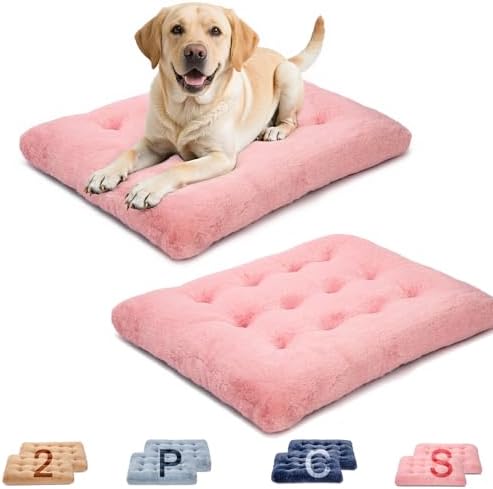
- 2 PACK – Two premium dog beds in one pack—perfect for multi-pet homes or rotating use.
- Luxurious Padding Support – Filled with 3-inch premium polypropylene fiber and fixed through multiple keyholes, it has e…
- Ultra-soft Rabbit-like Plush – Made of high – density luxurious plush material, it is extremely soft, comfortable, and r…
Temperature regulation gets trickier. Low-shedding coats can mean thinner protection against cold, and senior dogs already struggle more with regulating body heat. For older dogs with thinning coats, something as simple as soft, stretchy dog pajamas can genuinely help on cool mornings or chilly evenings, especially for smaller senior breeds who lose body heat faster.

- ADORABLE PATTERNS: These dog pajamas feature fun Monkey, Avocado, and Peach designs to keep your pup stylish.
- WIDE SIZE RANGE: Available in sizes XXS through L, making it easy to find the perfect fit for most small dog breeds.
- SUMMER READY: Lightweight construction keeps your small dog comfortable and cool during warm summer months.
None of this should scare you away from adopting a senior. It should just prepare you. *Aging with dignity* means paying attention, not panicking.
Comparing Popular Low-Shedding Breeds for Adoption
Here’s a quick reference table to help you compare some of the most commonly available low-shedding dog breeds in shelters and rescues. Keep in mind that mixed breeds showing these traits are often easier to find than purebreds, and seniors within these breeds are frequently available for a fraction of what a breeder would charge for a puppy.
| Breed | Shedding Level | Grooming Needs | Good for Seniors (Human) | Typical Adoption Availability | Price Tier (Grooming Tools) |
|---|---|---|---|---|---|
| Poodle (Standard/Mini) | Very Low | High (frequent trims) | Yes, calm energy in seniors | Moderate, breed rescues common | $$$ |
| Bichon Frise | Very Low | Moderate to High | Yes, small and gentle | Good, senior rescues frequent | $$ |
| Portuguese Water Dog | Low | High | Moderate, needs activity | Limited, breed-specific rescues best | $$$$ |
| Havanese | Low | Moderate | Excellent, affectionate seniors | Good in mixed-breed shelters | $$ |
| Shih Tzu (mix) | Low | Moderate to High | Excellent, low energy | Widely available, especially seniors | $ |
If you’re weighing size alongside shedding and want a dog who fits comfortably into a smaller home, this guide to medium-sized family dogs for small spaces pairs well with this comparison, especially if you’re considering a mixed breed rather than a purebred.
Questions to Ask a Rescue Before Adopting
Before you commit, ask the rescue or shelter these questions directly. Don’t be shy. A good rescue *wants* you to ask.
- Has this dog been around the allergen-sensitive person in your household, even briefly?
- What does the dog’s coat look like right now, and has it changed recently due to age or health?
- Are there any skin conditions, allergies, or grooming challenges the rescue already knows about?
- What’s the dog’s energy level like on an average day, not just during a shelter visit?
- Can you do a trial visit or foster-to-adopt period before finalizing?
I’ll be honest with you: breed labels are a starting point, not a guarantee. I’ve met “low-shedding” dogs who blew their coat unexpectedly due to stress or illness, and I’ve met mixed breeds nobody could identify who barely shed at all. **Patience and honest expectations matter more than any label on a shelter kennel card.**
A calm, well-supported senior dog often adjusts to a new home faster than people expect, especially with a comfortable resting spot ready for them on day one. Something like the JOEJOY Jacquard Donut Round Dog Bed gives an anxious new arrival a cozy, enclosed feeling that many older dogs find soothing during those first uncertain weeks.

- CALMING COMFORT: Soft jacquard plush fabric combined with a shredded foam and polyfill core keeps its shape over time wh…
- STYLISH STYLES & COLORS: Available in chic Cloud patterns (Cloud Grey, Cloud Blue, Cloud Black, Cloud Brown) and playful…
- ACCURATE SIZE GUIDE: Five sizes available: XS (20″x20″x6″, 13″x13″ sleep area, up to 12 lbs), S (23″x23″x8″, 14″x14″ sle…
Why This Matters More Than You Think
Every year, wonderful low-shedding dog breeds sit in shelters simply because they’re not puppies anymore. Their coats are exactly what a family searched for online. Their temperaments are settled, predictable, gentle. And still, they wait.
This is a sacred trust we take on when we bring an animal into our homes, especially one who’s already lived a decade or more without knowing where they truly belonged. If you’re searching for allergy friendly dog breeds, please widen your search to include the gray muzzles and the slower tails. They have so much love left to give, and honestly, they tend to give it without hesitation, without testing you, without holding back. They already know what matters.
Frequently Asked Questions
Are low-shedding dog breeds truly hypoallergenic?
No dog breed is completely allergen-free. Low-shedding dog breeds produce less loose fur, which can reduce allergen spread, but allergens also come from dander, saliva, and urine. Spending time with a specific dog before adopting is the best way to gauge your personal reaction.
Where is the best place to find low-shedding dogs for adoption?
Breed-specific rescues, filtered searches on adoption platforms like Petfinder, and senior dog rescue networks are excellent starting points. Senior rescues in particular often have low-shedding dog breeds available since older dogs are frequently overlooked by adopters seeking puppies.
Do senior dogs shed differently than younger dogs of the same breed?
Coat texture and density can change with age even in breeds known for low shedding. Hormonal shifts and reduced skin oil production may lead to drier or thinner fur, so senior dogs often need gentler, more frequent grooming rather than heavier shedding overall.
Is it harder to find senior low-shedding dogs compared to puppies?
Actually, the opposite is often true. Senior low-shedding dog breeds tend to be more available in shelters and rescues because adopters gravitate toward puppies. This means patient adopters often have an easier time finding a wonderful, settled companion who happens to be a bit older.
I hope this gave you something real to hold onto as you search, not just a breed list, but an honest picture of what adopting a low-shedding senior dog actually looks like. Take your time. Ask the hard questions. And when you find the right one, gray muzzle and all, give them the soft landing they’ve been waiting for.
Tell your pup I said Hi! — Dawn